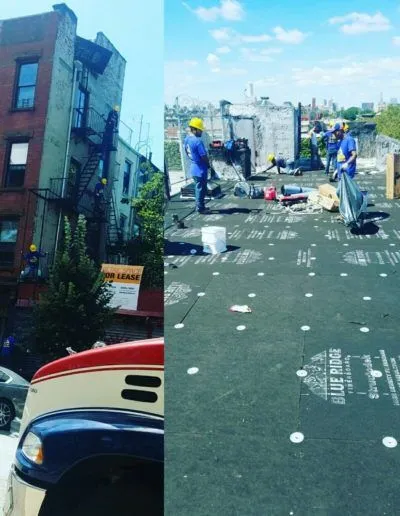

Roof membranes play a critical role in protecting buildings, particularly those with flat or low-slope roofs. These membranes act as a waterproof barrier, preventing moisture from penetrating the roofing system and entering the structure below.
In urban environments like New York City, membrane roofing systems are widely used on commercial buildings due to their durability and efficiency. However, like all building materials, roof membranes are subject to wear and tear over time. When these systems fail, they can lead to leaks, water damage, and costly repairs.
Understanding the common causes of roof membrane failure can help property owners take preventive measures and extend the lifespan of their roofing systems.
Aging and Material Degradation
One of the most common reasons for membrane failure is natural aging. Over time, exposure to sunlight, temperature fluctuations, and environmental pollutants causes roofing materials to deteriorate.
UV radiation from the sun can break down the chemical structure of membrane materials, leading to brittleness and cracking. As the membrane loses its flexibility, it becomes more susceptible to damage.
Regular inspections can help identify early signs of aging and allow for timely repairs before the membrane fails completely.
Poor Installation Practices
The performance of a roof membrane depends heavily on how it is installed. Improper installation is a leading cause of premature failure in roofing systems.
If seams are not properly sealed, gaps may form that allow water to enter the structure. Inadequate adhesion between layers can also lead to separation, reducing the effectiveness of the waterproof barrier.
Working with professionals who provide commercial roofing services in NYC ensures that membranes are installed according to industry standards, reducing the risk of early failure.
Ponding Water and Drainage Issues
Flat roofs are designed with slight slopes to direct water toward drainage systems. However, if drainage systems become blocked or improperly designed, water may accumulate on the roof surface.
Ponding water places continuous stress on the membrane and can accelerate deterioration. Over time, standing water may weaken seams and lead to leaks.
Ensuring proper drainage and keeping roof surfaces clear of debris helps prevent water accumulation and protects the membrane.
Mechanical Damage
Roof membranes can be damaged by foot traffic, maintenance work, or falling debris. In commercial buildings, rooftops are often accessed for equipment maintenance, increasing the risk of accidental damage.
Sharp objects or heavy equipment may puncture or tear the membrane, creating openings for water infiltration. Even small punctures can lead to significant problems if they are not repaired promptly.
Using protective walkways and limiting unnecessary roof access can help reduce the risk of mechanical damage.
Thermal Expansion and Contraction
Temperature changes cause roofing materials to expand and contract. This constant movement can place stress on membrane seams and connections.
Over time, repeated expansion and contraction may lead to cracks or separation between layers. These vulnerabilities allow water to enter the roofing system and cause damage.
High-quality materials and proper installation techniques can help accommodate thermal movement and reduce the risk of failure.
Chemical Exposure and Environmental Factors
Urban environments expose roofing systems to a variety of pollutants and chemicals. Airborne contaminants, industrial emissions, and debris can interact with roofing materials and accelerate deterioration.
In some cases, chemical exposure may weaken the membrane or cause it to break down more quickly than expected. Regular cleaning and maintenance help reduce the impact of these environmental factors.
Lack of Maintenance
One of the most preventable causes of membrane failure is neglect. Without regular maintenance, small issues such as minor cracks or loose seams may go unnoticed.
Over time, these small problems can develop into larger issues that compromise the entire roofing system. Routine inspections and timely repairs are essential for maintaining the integrity of the membrane.
The Importance of Professional Inspections
Professional inspections play a key role in identifying potential problems before they lead to failure. Roofing experts can assess the condition of the membrane, check seams and flashing, and evaluate drainage systems.
By addressing issues early, property owners can extend the lifespan of their roofing systems and avoid costly repairs.
Protecting Commercial Roofing Systems
Roof membrane failure can have serious consequences for commercial buildings. Leaks and water damage may disrupt business operations, damage equipment, and require extensive repairs.
Preventive maintenance is the most effective way to protect roofing systems. Regular inspections, proper drainage, and timely repairs help ensure that membranes continue to perform their protective function.
Long-Term Performance and Reliability
Roof membranes are designed to provide long-lasting protection, but their performance depends on proper installation and ongoing care. Understanding the factors that contribute to membrane failure allows property owners to take proactive steps to maintain their roofs.
By working with experienced professionals and investing in regular maintenance, building owners can ensure that their roofing systems remain durable and reliable for years to come.
In a city where buildings face constant environmental challenges, maintaining a strong and effective roofing system is essential for protecting both the structure and its occupants.






















Sign in to leave a comment.