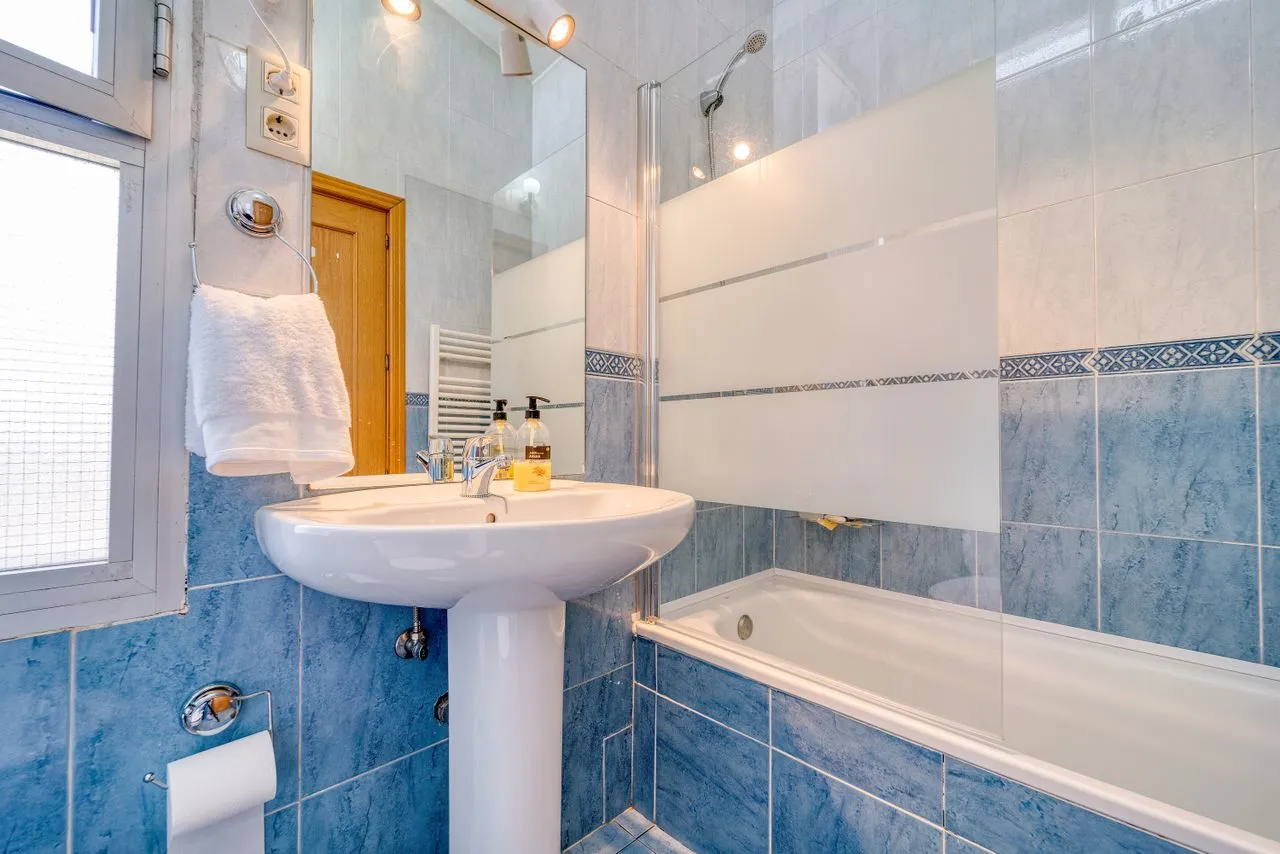

You know the feeling the moment you walk in. A grimy bathroom announces itself — stale air, dull surfaces, that particular grimness that accumulates when nobody's paying attention. A truly clean one, though? It says something. About the people who live there, about how the space is treated. Bathrooms are brutal to maintain. Soap residue doesn't wait. Mineral deposits build quietly, layer by layer, until suddenly the whole thing looks wrecked. Staying ahead of that decay doesn't require your whole Saturday — just a handful of habits applied with some consistency.
1. Establish a Daily Maintenance Routine
Small actions, repeated daily, absolutely destroy marathon scrubbing sessions. After a shower: sixty seconds with a squeegee on the walls. That's the whole thing. That single move slashes soap scum accumulation and cuts mold growth in high-moisture zones dramatically. Water spots on glass doors vanish before they've had a chance to harden. Wipe down the sink and faucet after each use — toothpaste splatters calcify surprisingly fast, and dried water droplets leave rings on fixtures that are genuinely tedious to scrub off later. Catch the mess while it's still soft. A microfiber cloth stashed under the cabinet removes every excuse. Grab it, wipe, move on.
2. Choose Appropriate Cleaning Products for Different Surfaces
Different surfaces want different treatment. Tile, grout, porcelain — they handle standard bathroom cleaners fine, cutting through soap residue and hard-water deposits without wrecking the finish. Glass is another matter entirely. Shower enclosures and mirrors need streak-free formulas, or a simple vinegar-based solution; anything else leaves a cloudy residue that honestly looks worse than the original buildup. Baking soda, white vinegar, hydrogen peroxide — these do real work across most bathroom tasks while keeping chemical exposure low.
For glass enclosures, applying a shower glass water repellent creates a barrier that stops mineral deposits and soap scum from bonding to the surface at all. Less bonding means less scrubbing. Always check labels before trying something new — test it somewhere hidden first. One wrong product can etch a finish permanently. Know your surfaces. Clean accordingly.
3. Address Problem Areas Before Buildup Occurs
Certain spots in a bathroom are just trouble magnets. Grout lines sit there absorbing moisture, quietly shifting from white to gray to outright black as mold takes hold. Caulk around the tub breaks down under constant water exposure — catch the early signs and deal with them before the whole thing needs replacing. Faucets and showerheads collect mineral deposits week after week, layer after layer, as mineral-rich water evaporates and leaves itself behind. Soap scum follows the same creeping logic: gradual, then suddenly thick and stubborn and genuinely resistant. Ten minutes of weekly attention to these spots costs almost nothing. Waiting until they're a disaster? That costs considerably more — in time, in effort, in specialized products. Clean early. Clean often.
4. Organize and Store Items Strategically
Clutter wrecks a clean bathroom faster than actual dirt. Counters buried under bottles, products crowding the windowsill, towels draped wherever they landed — even a freshly scrubbed bathroom looks chaotic under those conditions. Closed cabinets, under-sink organizers, drawer dividers: they keep toiletries off surfaces and out of sight. Every item that gets used regularly needs a designated spot. Not somewhere approximate. Somewhere specific. Clear containers help; you see what's inside without excavating the whole cabinet, and labeled bins stop random products from quietly piling up. Towels folded neatly on racks contribute more to how the room reads than most people expect. And here's the practical bonus — clear counters take half the time to wipe down. Organization and cleanliness reinforce each other directly. That's not a coincidence.
Conclusion
Four approaches. None of them complicated. Daily habits stop buildup before it starts; the right products protect surfaces rather than degrading them; early attention to problem zones prevents minor annoyances from becoming expensive repairs; and smart storage keeps everything looking ordered between cleans. No single method carries the whole load. But together, they compound. Busy households can absolutely maintain an attractive bathroom without dedicating hours to it every week. Start with one habit. Layer in the rest. Eventually the bathroom stops being a chore you dread and becomes a space that more or less runs itself.


























Sign in to leave a comment.