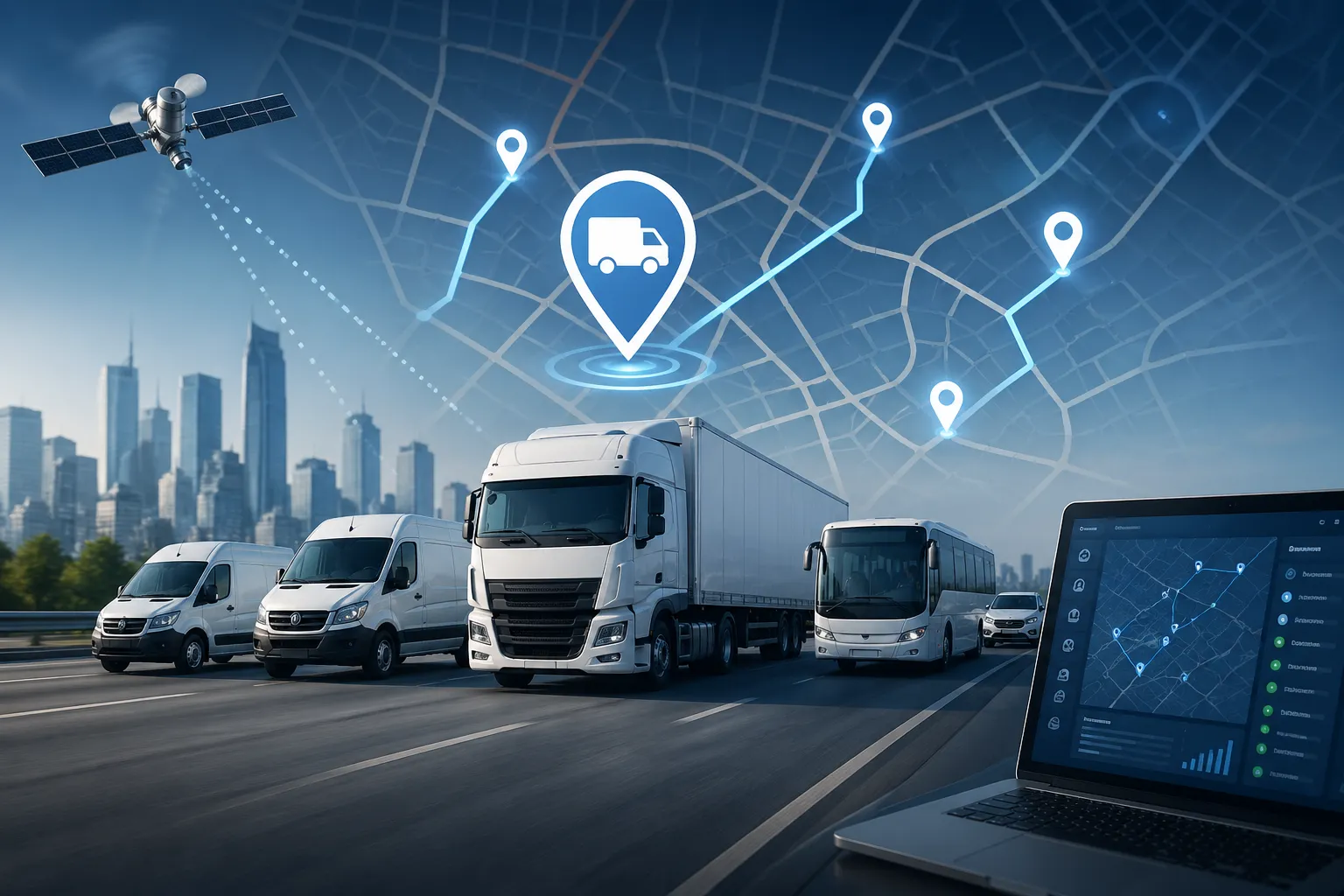

Managing vehicles manually is no longer practical in today’s fast-paced business environment. Whether you run a logistics company, delivery service, or transportation business, keeping track of your vehicles is crucial. This is where modern technology steps in.
A reliable fleet management system combined with fleet tracking helps businesses monitor, manage, and optimize their operations in real time.
In simple terms, fleet tracking allows you to know where your vehicles are, how they are being used, and how efficiently they are performing—all from one dashboard.
What is Fleet Tracking?
Fleet tracking is a technology-driven system that uses GPS and software to monitor vehicles in real time. It provides insights into location, speed, routes, fuel usage, and driver behavior.
Instead of relying on guesswork or manual updates, businesses can access accurate, real-time data. This improves decision-making and ensures better control over operations.
Modern systems have evolved far beyond simple location tracking. Today, they offer features like route optimization, driver monitoring, and automated reporting, making them essential for growing businesses.
Why Businesses Need Fleet Tracking Today
Running a fleet without proper tracking can lead to delays, higher costs, and poor customer service. Businesses today are expected to deliver faster, operate efficiently, and maintain transparency.
Here’s why fleet tracking has become a necessity:
1. Real-Time Visibility
One of the biggest advantages is knowing exactly where your vehicles are at any moment. This helps managers respond quickly to changes, emergencies, or customer requests.
Real-time visibility also reduces dependency on drivers for updates, saving time and improving communication.
2. Improved Operational Efficiency
Fleet tracking systems help businesses optimize routes, reduce idle time, and improve vehicle utilization. This directly leads to faster deliveries and better resource management.
Optimized routing also ensures that drivers avoid traffic congestion and unnecessary delays.
3. Cost Reduction
Fuel is one of the biggest expenses in fleet operations. With tracking systems, businesses can monitor fuel usage, reduce unnecessary idling, and choose efficient routes.
This results in significant cost savings over time and better profitability.
4. Enhanced Safety and Security
Fleet tracking improves driver safety by monitoring driving behavior such as speeding or harsh braking. It also helps prevent vehicle misuse and theft through alerts and geofencing.
Knowing where your assets are at all times reduces risks and increases accountability.
5. Better Customer Service
Customers today expect accurate delivery timelines. Fleet tracking enables businesses to provide real-time updates and estimated arrival times.
This reduces customer complaints and builds trust in your service.
Key Features of a Fleet Tracking System
A good fleet tracking system offers more than just location tracking. It provides a complete overview of fleet performance.
GPS-Based Tracking
The core feature that allows businesses to monitor vehicle location in real time.
Route Optimization
Helps identify the fastest and most efficient routes, saving time and fuel.
Driver Behavior Monitoring
Tracks driving patterns like speeding, braking, and idling, helping improve safety and reduce wear and tear.
Alerts and Notifications
Get instant alerts for unauthorized vehicle use, route deviations, or delays.
Reporting and Analytics
Detailed reports help businesses analyze performance and make data-driven decisions.
These features collectively help businesses streamline operations and improve overall productivity.
How Fleet Tracking Improves Business Growth
Implementing fleet tracking is not just about monitoring vehicles it’s about transforming your entire business operation.
Increased Productivity
With better route planning and reduced downtime, businesses can complete more tasks in less time.
Data-Driven Decisions
Fleet tracking systems provide valuable insights that help managers make smarter decisions based on real data rather than assumptions.
Scalability
As your business grows, managing more vehicles becomes easier with a centralized system.
Competitive Advantage
Businesses using advanced tracking systems can deliver faster, reduce costs, and offer better service compared to competitors.
Industries That Benefit from Fleet Tracking
Fleet tracking is not limited to logistics companies. It is widely used across various industries:
- Logistics and transportation
- E-commerce and delivery services
- Construction and heavy equipment
- Taxi and ride-sharing services
- Field service businesses
Any business that relies on vehicles can benefit from improved tracking and management.
Choosing the Right Fleet Tracking Solution
Selecting the right system is important for maximizing benefits. Here are a few things to consider:
Ease of Use
The system should be simple and user-friendly so your team can adopt it quickly.
Real-Time Data Accuracy
Accurate and timely data is essential for effective decision-making.
Integration Capabilities
Your tracking system should integrate with other tools like billing, CRM, or dispatch software.
Scalability
Choose a solution that can grow with your business needs.
The Future of Fleet Tracking
Technology is continuously evolving, and fleet tracking is becoming more advanced with the integration of AI and automation.
Future systems will offer predictive analytics, automated decision-making, and even smarter route optimization. Businesses that adopt these technologies early will gain a significant advantage in the market.
Conclusion
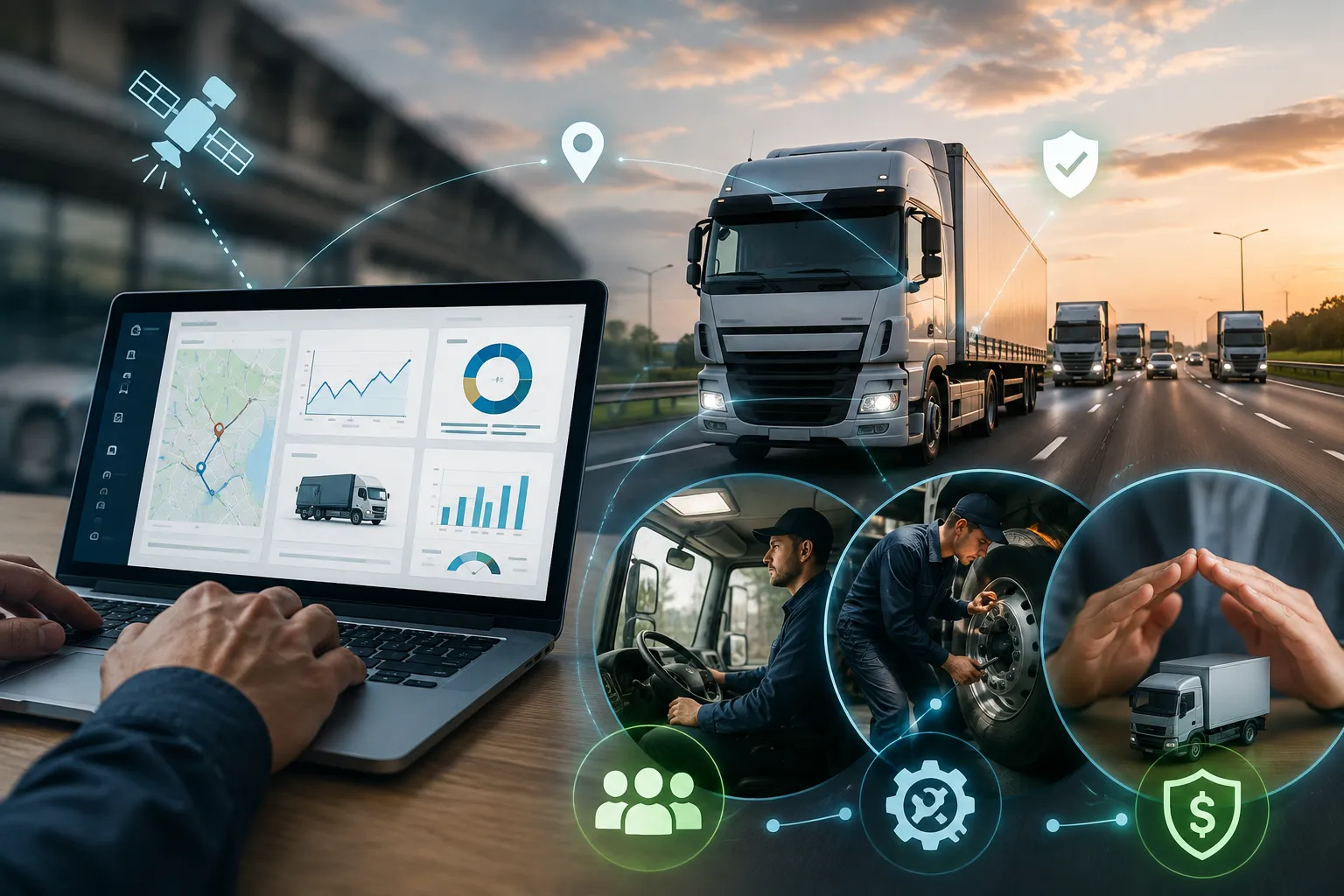
Fleet tracking is no longer a luxury it’s a necessity for businesses that depend on transportation. From improving efficiency and reducing costs to enhancing safety and customer satisfaction, the benefits are undeniable.
By implementing a reliable system like fleet management software, businesses can gain full control over their operations and drive long-term growth.
If you want to stay competitive in today’s market, investing in fleet tracking is a smart and future-ready decision.



















Sign in to leave a comment.