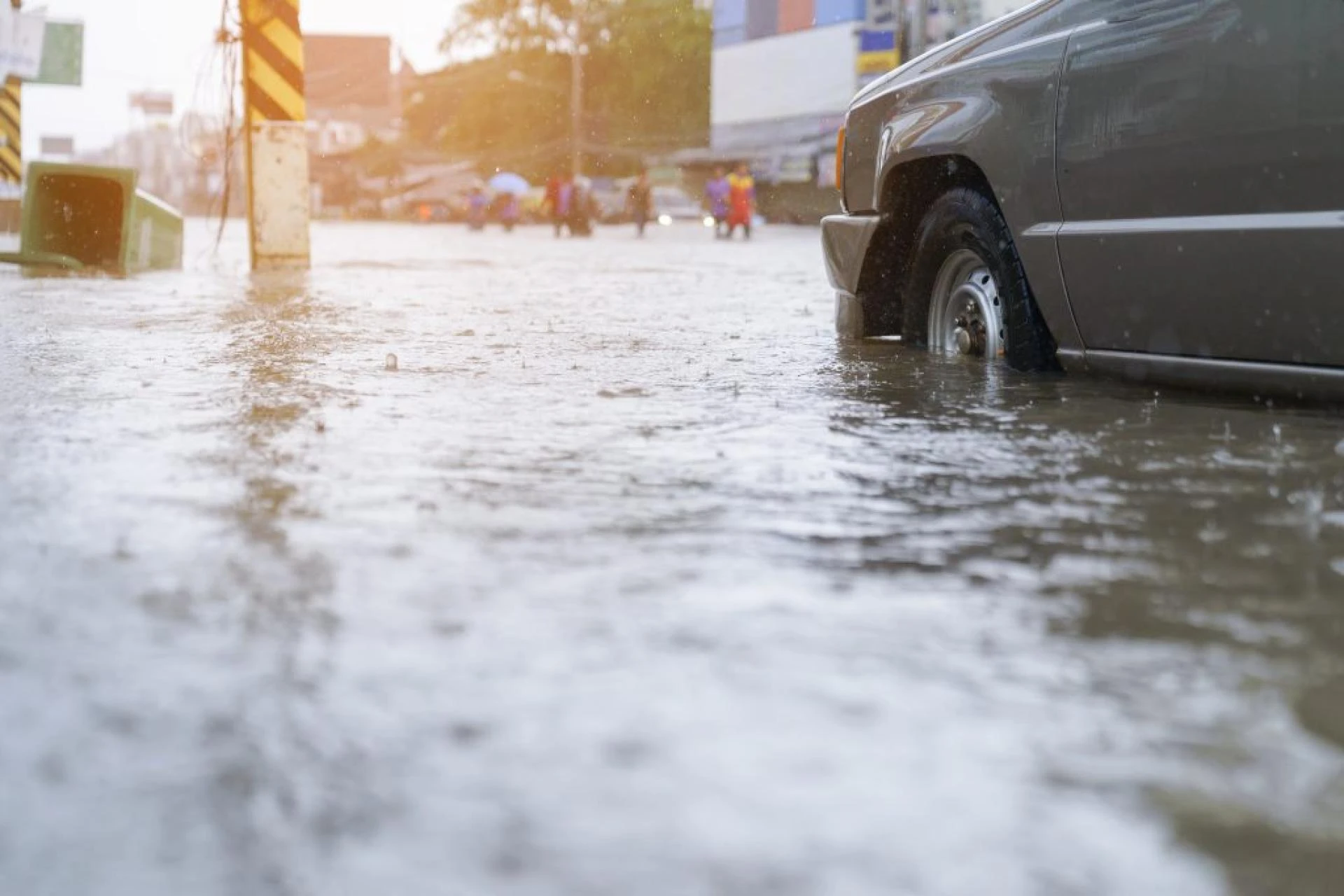

Flooding poses a significant threat to the structural integrity of buildings, particularly concerning their foundations. When floodwaters infiltrate a structure, they can cause extensive damage that compromises not only the aesthetic appeal but also the safety and stability of the entire building. Understanding the importance of prompt and effective restoration in such situations is crucial for homeowners, property managers, and communities alike.
Comprehending How Floods Affect Foundations
Foundations are the bedrock upon which buildings stand, providing essential support and stability. However, when floods occur, foundations are among the most vulnerable components of any structure. Floodwaters exert immense pressure on foundation walls and floors, leading to several potential issues:
Hydrostatic Pressure: Floodwaters create hydrostatic pressure against foundation walls. This pressure can cause walls to crack or bow inward, weakening their structural integrity.
Soil Saturation: Floodwaters saturate the soil surrounding and beneath the foundation. This saturation can lead to soil erosion, settlement, or even subsidence, all of which can undermine the foundation's stability.
Foundation Movement: Excessive water can cause foundations to shift or settle unevenly. The building above may experience cracks in its ceiling, flooring, or walls as a result of this movement.
Material Deterioration: Floodwaters often carry debris, chemicals, and contaminants that can accelerate the deterioration of concrete, mortar, and other building materials used in the foundation.
The Role Of Prompt Restoration
Effective water damage restoration in Spokane is crucial for preserving the structural integrity of buildings and safeguarding against the long-term effects of flood damage. Prompt restoration following a flood event is critical to mitigating the damage to a building's foundation. Restoration efforts should aim to achieve several key objectives:
Assessment And Damage Evaluation
A detailed evaluation of the damage's extent is the first stage in any successful restoration. Qualified professionals, such as structural engineers or certified restoration specialists, should conduct a comprehensive inspection of the foundation and the entire structure. This assessment aids in identifying problem areas and choosing the best course of action.
Water Extraction And Moisture Control
Water extraction must be done quickly to stop additional damage. Standing water in crawl spaces or basements can put additional strain on foundation walls and encourage the growth of mold, both of which can harm the building's structural integrity and indoor air quality. Efficient drying techniques, including dehumidification and ventilation, help remove excess moisture and restore normal humidity levels.
Structural Repairs
Addressing foundation damage requires specialized knowledge and techniques. Depending on how much damage has been done, repairs may include:
Crack Repair: Sealing cracks in foundation walls to prevent water infiltration and reinforce structural integrity.
Reinforcement: Installing steel braces, anchors, or carbon fiber strips to stabilize bowed or cracked walls.
Underpinning: Strengthening or stabilizing the foundation by extending or reinforcing the existing footing.
Grading And Drainage: Improving site grading and drainage to divert water away from the foundation and prevent future flooding incidents.
Mold Remediation And Indoor Air Quality
Floodwaters often introduce mold spores and other contaminants into indoor environments. Wet conditions allow mold to grow quickly, endangering the health of building inhabitants and further weakening the building's structural components. Effective mold remediation involves thorough cleaning, disinfection, and ensuring proper ventilation to restore indoor air quality.
Preventive Measures And Future Preparedness
Beyond immediate restoration efforts, implementing preventive measures is crucial for safeguarding against future flood damage. These measures may include:
Waterproofing: Applying waterproof coatings or sealants to foundation walls and floors to reduce water penetration.
Sump Pump Installation: Installing sump pumps and backup systems to remove excess water from basements or crawl spaces during flooding events.
Landscaping And Grading: Ensuring proper site grading and landscaping to direct water away from the foundation.
Emergency Preparedness Plans: Developing and implementing emergency preparedness plans that outline procedures for mitigating flood damage and ensuring the safety of occupants.
The Economic And Community Impact
The economic impact of flood damage extends beyond the cost of repairing physical structures. Flood-damaged properties can experience decreased market value, increased insurance premiums, and potential financial strain on homeowners and businesses. Furthermore, flood events can disrupt communities, affecting local economies, infrastructure, and the overall quality of life.
Conclusion
In conclusion, the integrity of a building's foundation is paramount to its longevity and safety. Floods pose a significant threat to foundations, leading to structural damage, compromised safety, and potential health hazards. To lessen the consequences of flood damage, maintain the structural integrity of buildings, and guarantee the safety and well-being of residents, prompt and thorough restoration operations are crucial. By understanding the importance of prompt action, implementing preventive measures, and engaging qualified restoration professionals, homeowners, and property managers can effectively navigate the challenges posed by flood events and safeguard their investments for years to come.































Sign in to leave a comment.