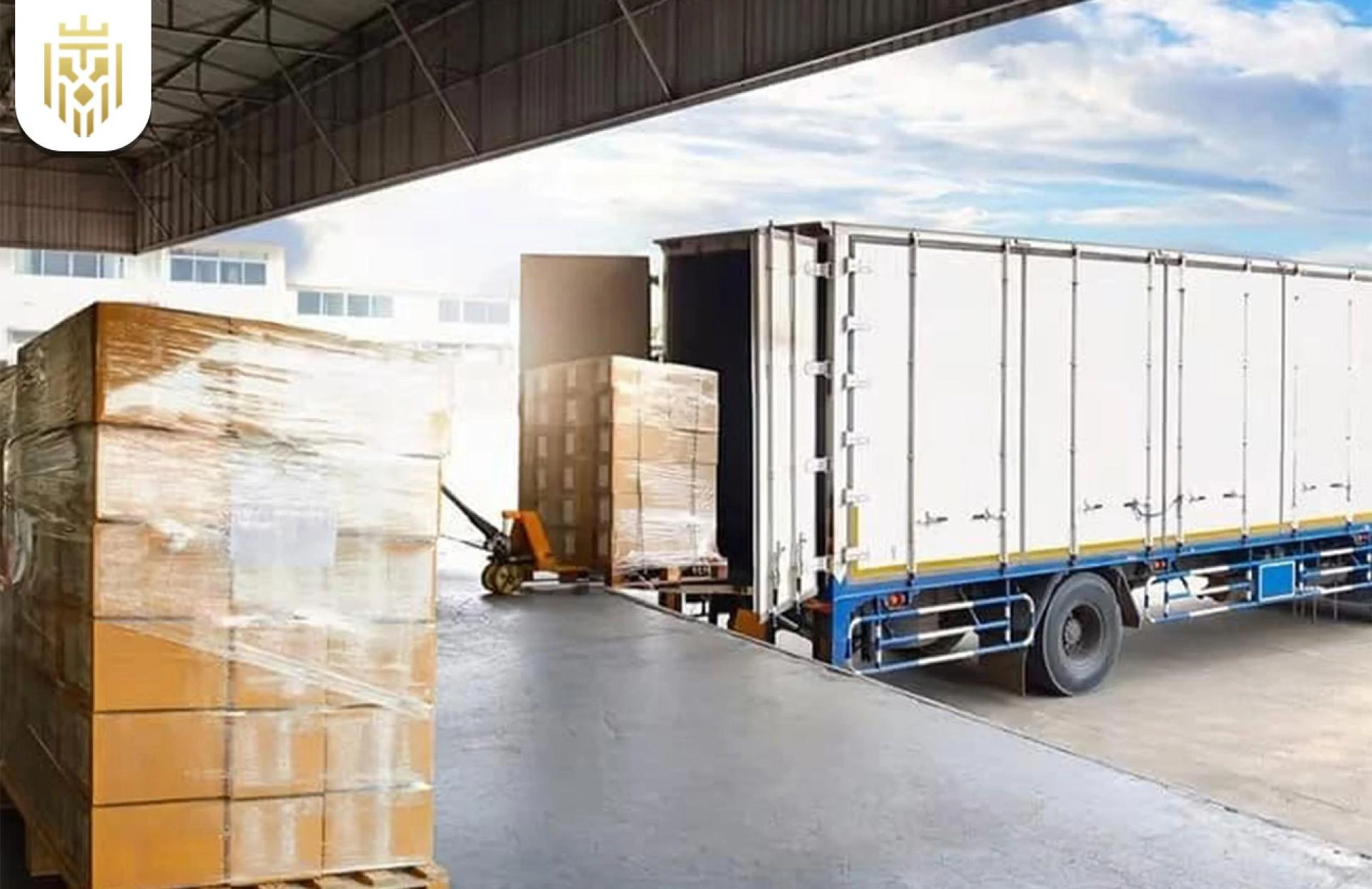

Cargo theft is a persistent challenge for logistics providers, importers, and exporters operating through ports and warehouses. With high shipment volumes, complex handoffs, and multiple stakeholders involved, these environments can become attractive targets for organized theft. Preventing cargo loss requires more than basic locks and cameras. It calls for a layered security strategy that combines physical safeguards, operational discipline, and technology-driven oversight.
Why Ports and Warehouses Are Vulnerable
Ports and warehouses handle thousands of containers and pallets every day. This constant movement creates opportunities for theft if access points are poorly controlled or procedures are inconsistent. Cargo may be stolen through container tampering, falsified documentation, insider involvement, or unsecured storage areas. Recognizing these risks is the first step toward building effective prevention measures.
Strengthening Physical Security Measures
Physical security remains a foundation of cargo theft prevention. Well-lit perimeters, controlled entry and exit points, and secure fencing help reduce unauthorized access. Access credentials should be issued only to authorized personnel and reviewed regularly to avoid misuse. Visitor access should be logged and supervised at all times, especially in high-value storage zones.
One of the most effective physical deterrents is the use of High security seals on containers and trailers. These seals are designed to show clear evidence of tampering and make unauthorized access more difficult. When applied consistently and inspected at every handoff, they significantly reduce the risk of undetected cargo interference.
Improving Inventory and Documentation Controls
Accurate inventory management plays a critical role in theft prevention. Every shipment entering or leaving a facility should be documented, scanned, and verified against shipping records. Discrepancies must be investigated immediately rather than deferred. Delayed checks often allow theft to go unnoticed until recovery becomes impossible.
Digital documentation systems help reduce errors and prevent fraudulent paperwork. Electronic bills of lading, automated check-in systems, and real-time inventory updates create transparency and accountability throughout the supply chain.
Training Employees and Managing Insider Risk
Employees are both a critical defense and a potential vulnerability. Proper training ensures staff understand security protocols, recognize suspicious behavior, and follow reporting procedures. Regular training sessions reinforce expectations and reduce complacency.
Background checks and role-based access controls also help limit insider risk. Employees should only have access to areas and information necessary for their job functions. Segregating duties such as documentation approval and cargo handling reduces the chance of collusion or abuse.
Using Technology for Visibility and Monitoring
Technology enhances security by providing continuous oversight beyond human limitations. Surveillance cameras placed strategically around loading docks, storage areas, and entry points act as both a deterrent and an investigative tool. Real-time monitoring allows security teams to respond quickly to suspicious activity.
Tracking technologies such as GPS-enabled devices and sensor-based systems offer visibility into shipment movement and container integrity. Alerts triggered by unexpected door openings, route deviations, or delays enable proactive intervention before losses escalate.
Establishing Secure Operating Procedures
Clear standard operating procedures help ensure consistency across shifts and teams. These procedures should cover seal application and verification, cargo handoff protocols, and incident reporting steps. Regular audits confirm that procedures are being followed and identify gaps before they are exploited.
Collaboration with transport partners is equally important. Security expectations should be communicated clearly to carriers, third-party logistics providers, and port operators to ensure continuity across the supply chain.
Building a Culture of Accountability
Preventing cargo theft is not a one-time effort but an ongoing commitment. When security becomes part of daily operations rather than an afterthought, risks decrease significantly. Leadership support, employee engagement, and continuous improvement are essential to sustaining effective protection.
By combining strong physical controls, trained personnel, reliable technology, and disciplined processes, ports and warehouses can significantly reduce cargo theft risks. These best practices not only protect goods but also preserve trust, compliance, and long-term supply chain resilience.




























Sign in to leave a comment.