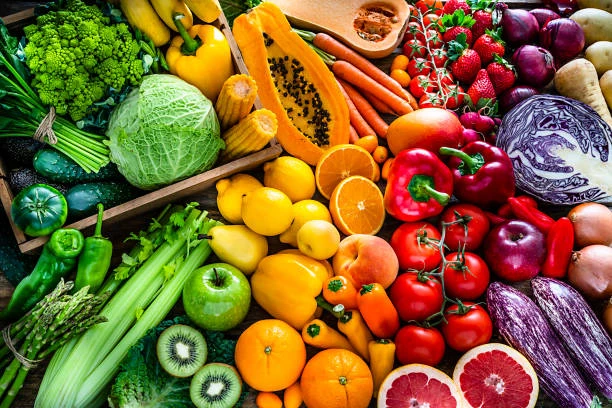

One of the key components of an FBD-friendly diet is incorporating foods that are rich in antioxidants. Antioxidants help reduce inflammation and prevent tissue damage, providing relief to FBD-related discomfort. Boost your antioxidant intake by adding berries, dark leafy greens, and citrus fruits to your daily meals. Snack on antioxidant-packed blueberries, incorporate nutrient-dense spinach into your salads, and start your day with a revitalizing glass of freshly squeezed orange juice. After Abortion Diet
Omega-3 Fatty Acids
Omega-3 fatty acids have been shown to alleviate breast pain and inflammation, making them a valuable addition to your FBD diet. Include sources of omega-3s such as fatty fish (salmon, mackerel, and sardines), flaxseeds, and walnuts in your daily meals. Enjoy a grilled salmon fillet for dinner, sprinkle ground flaxseeds over your morning oatmeal, or grab a handful of walnuts as a satisfying snack.
Cruciferous Vegetables
Cruciferous vegetables are known for supporting estrogen balance in the body, making them a beneficial addition to an FBD diet. Incorporate broccoli, cauliflower, Brussels sprouts, and kale into your meals regularly. You can steam or roast these veggies to retain maximum nutrients while enjoying their delicious flavors. Additionally, they provide a healthy dose of fiber, promoting overall gut health.
Fibrous Foods
Dietary fiber is essential for managing FBD symptoms and overall well-being. Aim to include whole grains, legumes, and vegetables rich in fiber in your diet. Swap refined grains for whole grains like quinoa, brown rice, and whole wheat bread. Add beans, lentils, and chickpeas to soups, stews, and salads. Embrace vegetables like broccoli, artichokes, and Brussels sprouts, which are not only high in fiber but also packed with other essential nutrients.
Foods to Limit or Avoid for FBD Symptom Management
Caffeine is known to contribute to breast pain and tenderness commonly associated with FBD. To manage your symptoms effectively, it's advisable to limit or avoid caffeinated beverages such as coffee, tea, and soda. Consider switching to herbal teas, decaffeinated coffee, or naturally flavored water for a refreshing alternative.
Dairy Products
Some studies suggest that dairy consumption may exacerbate FBD symptoms due to hormonal influences. Explore dairy alternatives like almond milk, coconut milk, or soy milk. These options provide essential nutrients while reducing potential discomfort. Remember to check the ingredients and choose fortified varieties to ensure you're getting essential vitamins and minerals.
High-Fat Foods
While healthy fats are a crucial part of any balanced diet, it's beneficial to limit the intake of high-fat foods when managing FBD. Fried foods, fatty cuts of meat, and processed snacks may contribute to inflammation and hormonal imbalances. Opt for lean protein sources like chicken or turkey breast, and choose healthier cooking methods such as grilling, baking, or steaming.
Supplements and Herbs for FBD Symptom Relief
Vitamin E has been found to provide relief from breast pain and tenderness. Incorporate vitamin E-rich foods like almonds, sunflower seeds, and spinach into your meals. If necessary, consult your healthcare professional about potential supplements to ensure you're meeting your daily vitamin E requirements.
Evening Primrose Oil
Evening primrose oil is often suggested for managing hormonal imbalances associated with FBD. However, it's essential to consult with a healthcare professional before incorporating this supplement into your routine. They can advise on appropriate dosage and any potential interactions with other medications you may be taking.
Chasteberry
Chasteberry, an herbal remedy, has shown promise in reducing breast pain and swelling. As with any herbal supplement, it's vital to seek professional advice before introducing chasteberry into your routine. A healthcare professional or herbalist can guide you on appropriate usage and potential side effects.
Conclusion
Managing FBD effectively requires a holistic approach, and nutrition plays a significant role in supporting breast health and alleviating symptoms. By embracing an FBD-friendly diet rich in antioxidants, omega-3s, cruciferous vegetables, and fibrous foods, you can reduce inflammation, balance hormones, and improve your overall well-being. Remember to limit or avoid caffeine, dairy products, and high-fat foods, which may exacerbate symptoms. Additionally, consider discussing supplements like vitamin E, evening primrose oil, or chasteberry with a healthcare professional to customize your plan further.
While this guide provides valuable insights into an FBD-focused diet, it's crucial to remember that individual needs and requirements may vary. Consulting with a healthcare professional or a registered dietitian will ensure personalized guidance and a tailored approach that considers your unique circumstances. Embrace the power of nutrition and take control of your well-being on your journey to managing Fibrocystic Breast Disease.

























Sign in to leave a comment.