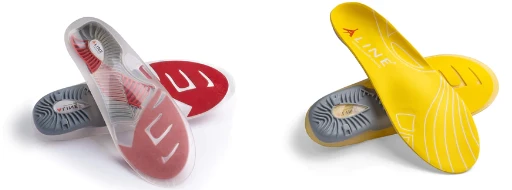

Foot supination, also known as underpronation, can lead to various issues, including discomfort and pain. Fortunately, foot supination correction insoles offer a potential solution by providing the necessary support and cushioning to address this imbalance. In this comprehensive guide, we will delve into the dynamics of foot supination, the role of insoles in managing it, and considerations to keep in mind when choosing the right pair.
Understanding Foot Supination
Foot supination occurs when the foot rolls outward during the normal walking or running gait. This can lead to uneven distribution of weight, placing excess stress on the outer edge of the foot. Over time, supination may contribute to issues such as ankle instability, shin splints, and discomfort in the lower back and knees.
The Role of Foot supination correction insoles
Arch Support:
Foot supination correction insoles often feature enhanced arch support to counteract the high arches commonly associated with supination. This support helps distribute weight more evenly across the foot and reduces strain on the outer edge.Cushioning:
Insoles designed for foot supination prioritize cushioning to absorb shock during each step. This is crucial in preventing the impact forces from concentrating on specific areas of the foot, reducing the risk of discomfort and potential injuries.Alignment Assistance:
The best foot supination correction insoles provide alignment assistance by encouraging a more neutral foot position. This helps in maintaining proper alignment throughout the gait cycle, preventing excessive rolling and minimizing stress on the joints.Choosing the Right Foot supination correction insoles
Arch Type:
Determine the archetype of your foot, as this will influence the level of arch support needed. Foot supination correction insoles are generally designed for high arches, but the degree of support may vary.Cushioning Level:
Consider the level of cushioning provided by the insoles. Individuals with supination often benefit from moderate to high levels of cushioning to absorb shock and reduce impact on the foot.Material and Breathability:
Look for insoles made from breathable materials to enhance comfort, especially during extended periods of use. Materials like memory foam or gel can provide both support and breathability.Size and Fit:
Ensure that the insoles fit your shoes comfortably without crowding the toe area. Some insoles are available in different sizes, while others can be trimmed to achieve a precise fit.Benefits of Foot supination correction insoles
Pain Relief:
Foot supination correction insoles are designed to alleviate discomfort associated with underpronation. By providing the necessary support and cushioning, these insoles can contribute to pain relief in the feet, ankles, and other affected areas.Injury Prevention:
The proper alignment and support offered by foot supination correction insoles help in preventing injuries caused by the uneven distribution of weight. This is particularly important for individuals engaging in physical activities such as running or sports.Improved Comfort:
Wearing insoles tailored for foot supination enhances overall comfort by addressing the underlying biomechanical issues. This allows individuals to go about their daily activities with reduced strain and fatigue.Conclusion
Foot supination can pose challenges to one's comfort and well-being, but the right pair of foot supination correction insoles can make a significant difference. By understanding the dynamics of supination and the features of effective insoles, individuals can take proactive steps towards addressing these issues. Whether for pain relief, injury prevention, or enhanced comfort, foot supination correction insoles offer a practical and non-invasive solution to support your feet and promote a healthier gait.
























Sign in to leave a comment.