Buying a home in Fort Lauderdale is exciting. Between the coastal lifestyle, warm weather, and beautiful neighborhoods, it is easy to focus on the positives. Many buyers walk into showings thinking about décor, space, and location while missing problems that can turn into expensive surprises later.
That is exactly why smart buyers schedule Home Inspections in Fort Lauderdale services early in the process. A house may look perfect on the surface, but serious issues often hide behind walls, under floors, and inside major systems. Knowing what commonly goes unnoticed can save you thousands of dollars and a lot of stress.
5
Roof Problems Hidden in Plain Sight
Aging Roofs and Weather Damage
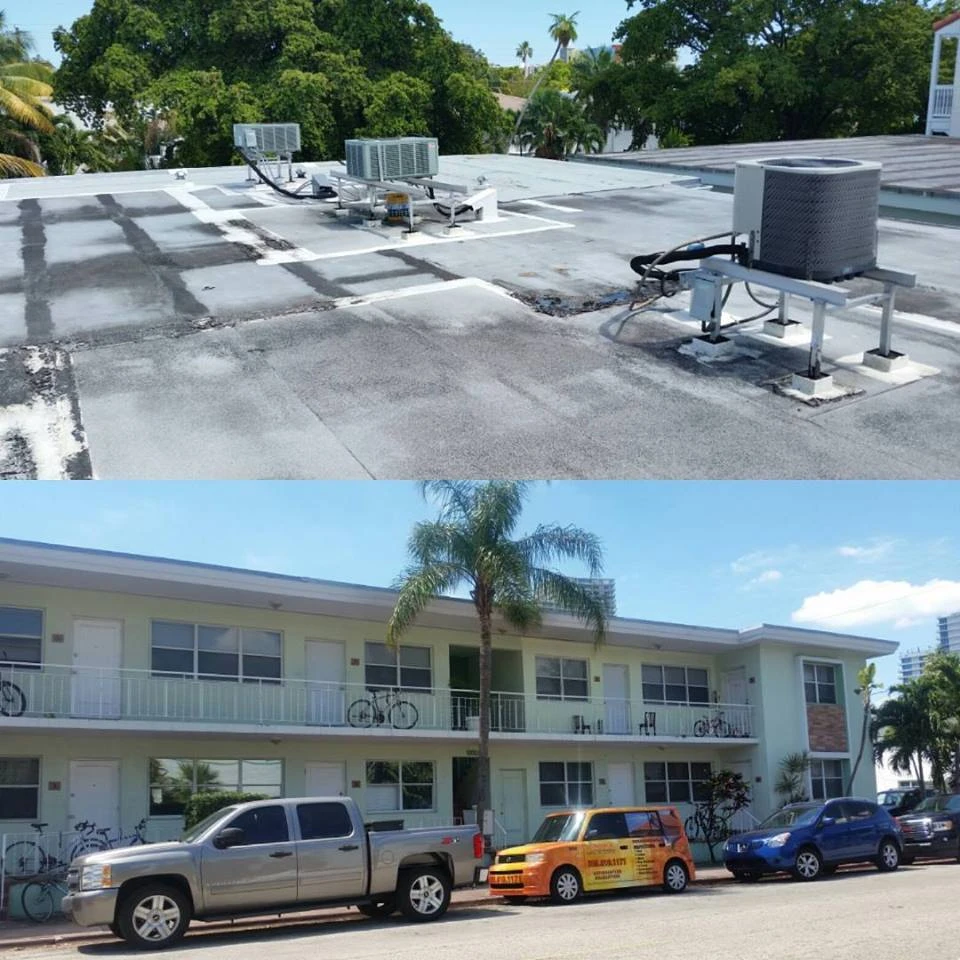
Fort Lauderdale homes face harsh conditions. Strong sun, heavy rain, humidity, and hurricane-force winds all take a toll on roofing materials. Even when a roof looks fine from the ground, it may be near the end of its lifespan.
Common issues buyers often miss include:
- Worn or brittle shingles
- Cracked or lifted tiles
- Soft spots under roofing materials
- Improper past repairs
Many roofs in South Florida age faster than expected. A roof that is technically still standing may already be causing slow leaks or structural stress. Without a proper inspection, buyers may not realize they are inheriting a replacement project.
Leaks That Do Not Show Immediately
Not all roof leaks create dramatic stains. Some leaks stay hidden for months or even years, slowly damaging wood framing, insulation, and drywall.
Warning signs may be subtle:
- Slight discoloration on ceilings
- Musty smells in certain rooms
- Minor bubbling in paint
- Damp attic insulation
A professional inspection helps identify moisture intrusion before it becomes visible damage. Catching a leak early is far cheaper than repairing mold, framing rot, or collapsed drywall.
Electrical Issues Behind the Walls
Outdated Panels and Wiring
Electrical systems are one of the most overlooked risk areas. Many buyers assume that if lights turn on, everything is fine. That assumption can be dangerous.
Older Fort Lauderdale homes may contain:
- Outdated electrical panels
- Aluminum wiring
- Improper circuit additions
- Overloaded breakers
Certain panel brands and aging wiring types are known for safety concerns. These problems are rarely visible during a casual walkthrough. An inspection evaluates whether the system meets modern safety expectations.
DIY Fixes and Hidden Safety Risks
Improper electrical work is more common than many buyers realize. Previous owners sometimes attempt upgrades without permits or professional help.
Potential red flags include:
- Exposed wiring
- Loose outlets
- Mixed wiring types
- Improper grounding
These issues may not immediately stop a home from functioning, but they can increase fire risk and lead to costly corrections after purchase. Identifying them before closing gives buyers negotiating power.
Plumbing Defects That Grow Expensive
Slow Leaks and Water Damage
Plumbing problems are often quiet. A small leak behind a wall can cause major damage over time without obvious signs.
Hidden plumbing issues may lead to:
- Mold growth
- Wood rot
- Cabinet damage
- Flooring deterioration
Buyers frequently miss early warning signs such as:
- Slightly warped baseboards
- Faint stains under sinks
- Low water pressure
- Unusual pipe noises
Inspections evaluate visible plumbing components and help detect moisture patterns that indicate deeper problems.
Sewer Lines and Drainage Concerns
Drainage and sewer systems are rarely top of mind during a showing. However, failures in these systems can be extremely expensive.
Possible concerns include:
- Tree root intrusion
- Pipe deterioration
- Improper slope
- Blockages
Symptoms may include slow drains or occasional odors, which buyers often dismiss as minor inconveniences. A closer evaluation can reveal whether repairs are needed.
HVAC and Moisture Challenges
Air Conditioning Strain in South Florida
In Fort Lauderdale, air conditioning is not a luxury — it is essential. HVAC systems work hard year-round, which accelerates wear and tear.
Common problems include:
- Aging compressors
- Refrigerant leaks
- Poor airflow
- Inefficient cooling
Buyers may feel cool air during a showing and assume the system is healthy. Performance issues often appear later, especially during peak summer heat.
Mold and Humidity Damage
Humidity is a constant factor in South Florida homes. Moisture-related problems are among the most serious and commonly overlooked risks.
Moisture issues may result from:
- Roof leaks
- Plumbing leaks
- Poor ventilation
- AC inefficiencies
Signs can be easy to miss:
- Slight musty odors
- Minor discoloration
- Warped materials
- Hidden condensation
Mold remediation can be costly. An inspection helps identify conditions that support mold growth before they become major health or financial concerns.
Structural and Foundation Warning Signs
Settlement vs. Serious Movement
Small cracks are common in many homes, but not all cracks are harmless. Buyers often struggle to tell the difference between cosmetic settling and structural concerns.
Potential indicators of deeper issues include:
- Wide or expanding cracks
- Uneven floors
- Sticking doors or windows
- Visible wall separation
An inspection provides context. Instead of guessing, buyers receive a professional assessment of whether movement is normal or problematic.
Exterior Clues Buyers Often Ignore
Many structural clues appear outside the home. During showings, buyers may focus on interior features while overlooking exterior conditions.
Important exterior factors include:
- Drainage patterns
- Grading around the foundation
- Roofline alignment
- Condition of siding and stucco
Improper drainage, for example, can gradually undermine a foundation. Identifying these issues early can prevent serious long-term damage.
Insulation and Ventilation Deficiencies
Energy Efficiency Problems
Insulation issues rarely attract attention during a home tour. However, poor insulation can significantly affect comfort and utility costs.
Possible problems include:
- Inadequate attic insulation
- Gaps in coverage
- Poorly sealed ductwork
These conditions may lead to:
- Higher cooling costs
- Uneven indoor temperatures
- Increased system strain
Inspections help evaluate whether the home is performing efficiently, not just functioning.
Ventilation and Airflow Concerns
Ventilation affects both comfort and moisture control. Poor airflow can contribute to humidity buildup and hidden condensation.
Common issues involve:
- Blocked vents
- Improper attic ventilation
- Bathroom exhaust problems
These problems often go unnoticed but can accelerate material deterioration and mold growth.
Why Buyers Benefit from a Professional Inspection
Understanding What an Inspection Really Covers
A thorough home inspection evaluates far more than surface-level details. Inspectors analyze major systems and components, including:
- Roofing
- Electrical
- Plumbing
- HVAC
- Structural elements
Instead of relying on appearances, buyers gain objective information about the property’s true condition.
Financial Protection and Negotiation Power
Unexpected repairs are one of the biggest sources of buyer regret. Inspections reduce that risk by identifying issues before closing.
Benefits include:
- Better purchase decisions
- Repair negotiations
- Budget planning
- Reduced surprise expenses
When buyers understand a home's condition upfront, they maintain control over their investment rather than reacting to emergencies later.
Buying a home is one of the largest financial commitments most people ever make. In a competitive market like Fort Lauderdale, it is tempting to move quickly and assume the property is in good shape. That approach can lead to serious problems.
A home may look polished, staged, and well-maintained while hiding defects that only trained professionals can detect. From roofing and electrical systems to moisture and structural concerns, many risks stay invisible during standard showings.
Taking the time to evaluate a property thoroughly is not about being overly cautious. It is about making an informed decision, protecting your budget, and avoiding costly surprises after closing.


















Sign in to leave a comment.