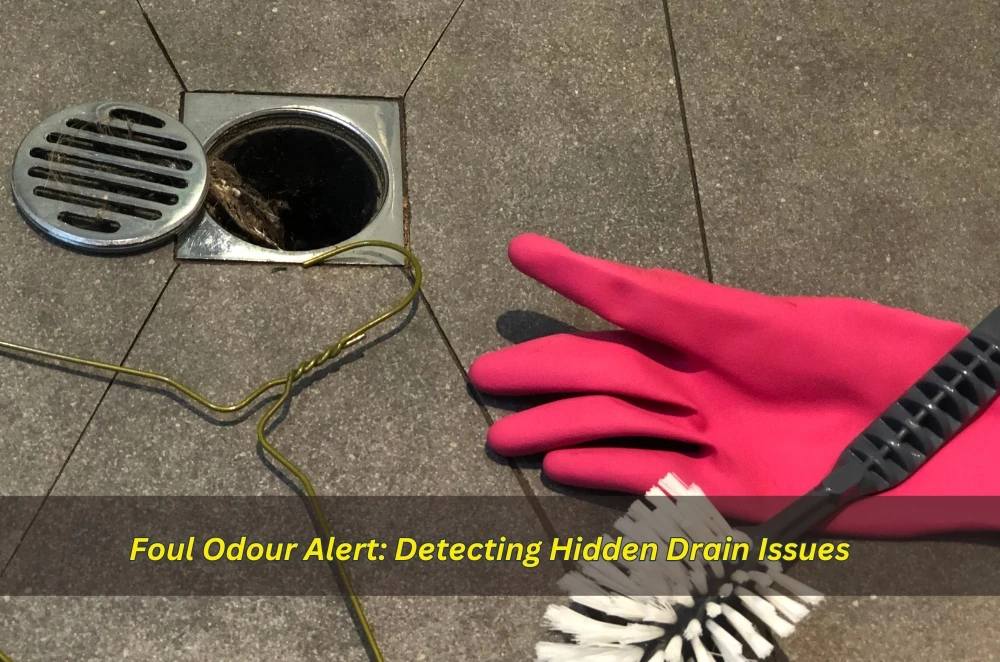

That nagging, unpleasant smell wafting up from your bathroom or kitchen sink? It's a common household nuisance; the culprit often lurks within your drains. These odours aren't just unpleasant; they can also indicate underlying plumbing problems that, if left unaddressed, can escalate into more serious (and expensive) issues. Maintaining healthy drains is essential for hygiene and the longevity of your plumbing system, so regular maintenance, including professional bathroom drain cleaning in Sydney when necessary, is crucial. This article will explore the common causes of drain odours, how to identify what those smells might be telling you, and what steps you can take to keep your drains clean, fresh, and problem-free.
Smell culprits: Identifying plumbing issues
So, what's the source of those nasty smells emanating from your drains? Well, there are a few common culprits:
- Blockages: Hair, soap scum, grease, and other debris can build up in your pipes, offering a haven for bacteria to breed and result in foul odours. This is a common occurrence, especially in bathrooms and kitchens.
- Dry P-Traps: The P-trap is a U-shaped pipe under your sink or drain that holds water, creating a seal to prevent sewer gases from entering your home. If this water evaporates, usually due to infrequent use, those gases can seep through.
- Sewer Line Issues: The main blockage or damage of the sewer line itself is another possible cause of odour back into your home through the drains. This condition is considered more serious and requires professional attention.
- Biofilm: A slimy film of bacteria and organic material can also form along the pipe's interior and contribute to odours.
- Venting Issues: Plumbing systems have ventilation pipes to let air in, preventing the development of vacuum situations that disrupt wastewater flow. Whenever these vents get blocked or aren't working correctly, this leads to odour issues.
Decoding drain odours: A guide for homeowners
Believe it or not, the type of odour emanating from your drain may be a message about the exact cause:
- Rotten Egg Odor: Most of the time, this indicates a sewer gas leak. This is a critical condition that would call for an immediate professional plumber. Sewer gas contains hydrogen sulphide, which not only has a repugnant smell but is also injurious to health.
- Musty or Mouldy Odour: This indicates mould or mildew, usually caused by excess moisture or a leak in the plumbing system.
- Foul smell, odour, or smell of something rancid: Grease, food pieces, and organic matter could decompose inside the drain and give off an odour. These are usually noticed in kitchen sinks.
- The smell of ammonia: The scent of ammonia signifies some sort of issue, either with the sewer system or, on rare occasions, with a chemical reaction inside the pipe itself.
Preventive steps: Preventing drain odours in sydney
Prevention is always better than cure. Here are a few things you could do to keep your drains odour-free and those heinous odours away from your door:
- Routine Flushing: It is helpful to flush drains regularly with hot water. You can also use baking soda and vinegar mixed in hot water to dissolve the organic material that might have accumulated in your drains.
- Strainers: Install drain strainers in your sinks and showers to catch hair, soap scum, and other solids before they go down the drain.
- Avoid Grease: Never pour grease down the drain. Grease will congeal and clog the drains. Dispose of grease in an airtight container in the trash.
- Do not overuse chemical drain cleaners. Though they may seem quick, harsh chemical cleaners can destroy your pipes and hardly work long-term. They are environmental pollutants.
- Check P-Traps: Check regularly under your sinks in the P-traps for water. If they are dry, simply pour some water down the drain.
These preventative measures are even more critical given Sydney's humid climate, especially during summer. The heat and moisture combine to accelerate the decomposition process of organic matter in drains, exacerbating odour issues.
Professional plumbing help: eliminate drain odour
If you have tried these DIY methods and the foul smell persists, now is the time to seek the services of a professional plumber. Thanks to their expertise and equipment, they can diagnose and resolve more complex plumbing issues, such as sewer line problems, blocked vents, and stubborn blockages. A plumber can also provide professional bathroom drain cleaning services to ensure your drains are clean and free of odour-causing bacteria. Attempting to fix these issues independently, without the proper equipment or knowledge, may worsen the problem, resulting in a more expensive fix later.
Odour-free drains: a health and comfort conclusion
Drain odours are always a pain to deal with; however, by understanding the cause and taking action to prevent further occurrences, one can keep a home healthy and comfortable. You can either do the simple flushing yourself or call a professional for bathroom drain cleaning in Sydney to keep those drains smelling fresh. Whatever you do, don't let foul odours persist, as this is most likely a symptom of an issue in your plumbing that needs immediate attention. Addressing the problem promptly will eliminate the odours and prevent further serious and costlier plumbing issues shortly.

























Sign in to leave a comment.