

In the ever-evolving landscape of healthcare, digital solutions are playing an increasingly pivotal role in addressing challenges and improving patient outcomes. From streamlining administrative tasks to facilitating remote consultations, these technologies offer innovative ways to enhance efficiency, accessibility, and quality of care. In this blog, we'll explore four digital solutions that have the potential to alleviate issues in healthcare and transform the delivery of services.
Automation: The Unsung Hero of Administrative Workloads
The administrative burden in healthcare can be overwhelming, consuming valuable time and resources that could be better spent on patient care. Fortunately, automation technologies are revolutionizing administrative processes, freeing up staff to focus on more meaningful tasks. Electronic health record (EHR) systems, for example, automate tasks such as appointment scheduling, billing, and documentation, reducing errors and improving efficiency. Robotic process automation (RPA) further streamlines workflows by automating repetitive tasks, such as data entry and claims processing, minimizing manual intervention and accelerating processes.
By harnessing the power of automation, healthcare organizations can streamline administrative workflows, reduce costs, and enhance productivity. Moreover, by eliminating manual errors and ensuring data accuracy, automation technologies contribute to improved patient safety and satisfaction.
Interoperability: Accessible Data for Better Decision-Making
One of the most significant challenges in healthcare is the fragmentation of data across disparate systems and platforms. Interoperability, the ability of different systems to exchange and use data seamlessly, is essential for enabling informed decision-making and coordinated care delivery. Health information exchange (HIE) platforms facilitate the secure sharing of patient data among healthcare providers, enabling a comprehensive view of a patient's medical history and treatment journey. Additionally, application programming interfaces (APIs) allow different software systems to communicate with one another, enabling seamless integration and data exchange.
Connect with us for healthcare Integration Services.
By promoting interoperability, healthcare organizations can break down data silos, improve care coordination, and enhance clinical decision-making. Patients also benefit from interoperable systems, as they can receive more coordinated and personalized care across different healthcare settings.
Telemedicine: Quality Care Beyond Physical Limits
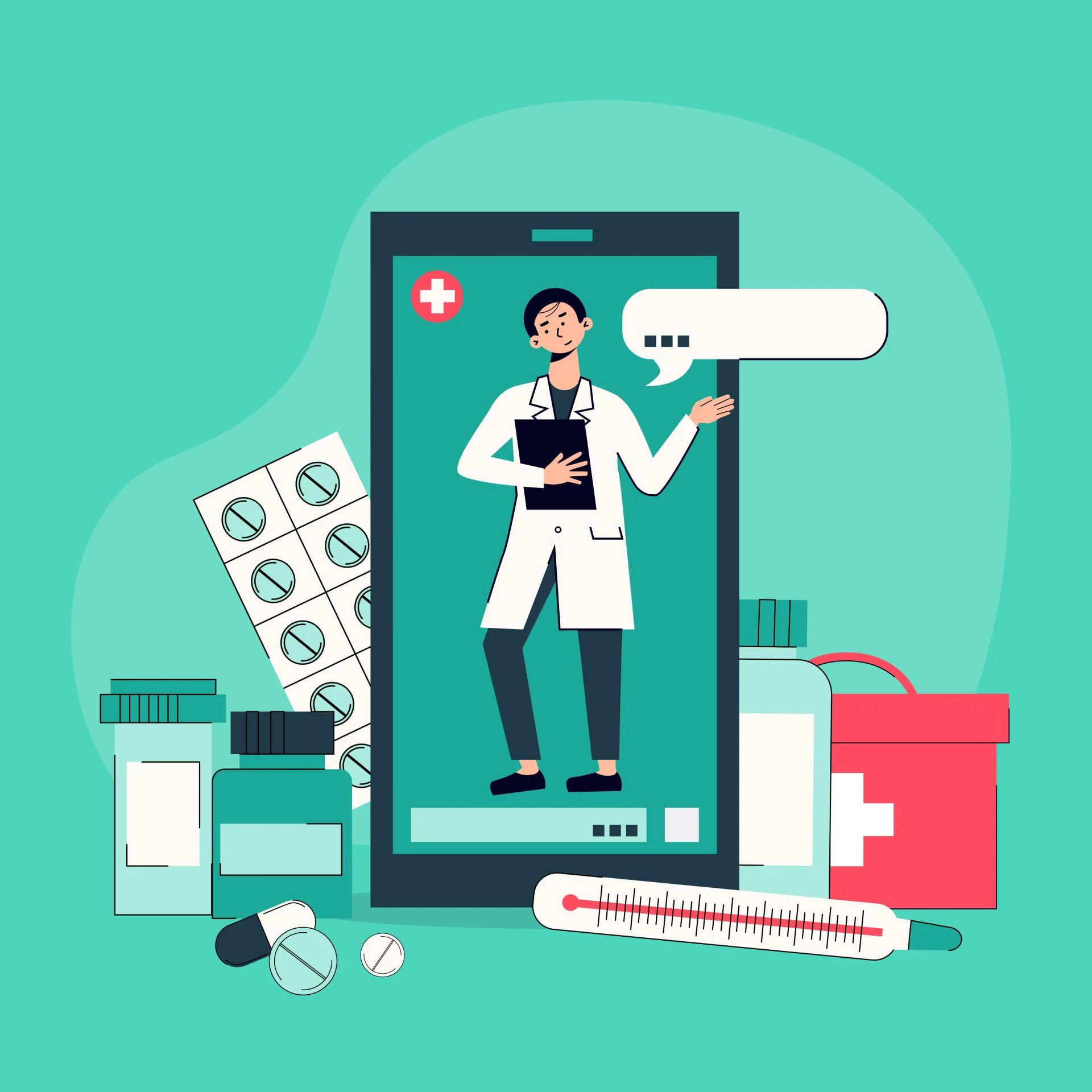
The rise of telemedicine has revolutionized the delivery of healthcare services, particularly in remote or underserved areas. Telemedicine allows patients to access medical care remotely, using digital technologies such as video conferencing, mobile apps, and remote monitoring devices. This enables patients to consult with healthcare providers from the comfort of their homes, reducing the need for travel and overcoming geographical barriers to care.
Telemedicine offers numerous benefits, including increased access to care, improved patient engagement, and reduced healthcare costs. It also facilitates remote monitoring of chronic conditions, enabling early intervention and preventive care. Moreover, telemedicine enhances healthcare delivery during emergencies or pandemics, ensuring continuity of care while minimizing the risk of exposure to infectious diseases.
Outsourcing: The Key to Core Competency
In an increasingly complex healthcare landscape, organizations recognize the value of outsourcing non-core functions to specialized service providers. Outsourcing allows healthcare organizations to focus on their core competencies, such as patient care delivery and clinical innovation, while leveraging the expertise and resources of external partners for support services. Common areas for outsourcing in healthcare include revenue cycle management, medical billing and coding, and IT infrastructure management.
Outsourcing offers several advantages, including cost savings, access to specialized skills and technology, and scalability. By partnering with experienced outsourcing vendors, healthcare organizations can streamline operations, improve efficiency, and maintain compliance with regulatory requirements. Moreover, outsourcing allows organizations to adapt quickly to changing market dynamics and focus on strategic initiatives that drive growth and innovation.
In conclusion, digital solutions hold immense promise for addressing challenges in healthcare and transforming the delivery of services. From automation and interoperability to telemedicine and outsourcing, these technologies offer innovative ways to enhance efficiency, accessibility, and quality of care. By embracing digital transformation and leveraging these solutions effectively, healthcare organizations can navigate the complexities of the modern healthcare landscape and deliver better outcomes for patients.



























Sign in to leave a comment.