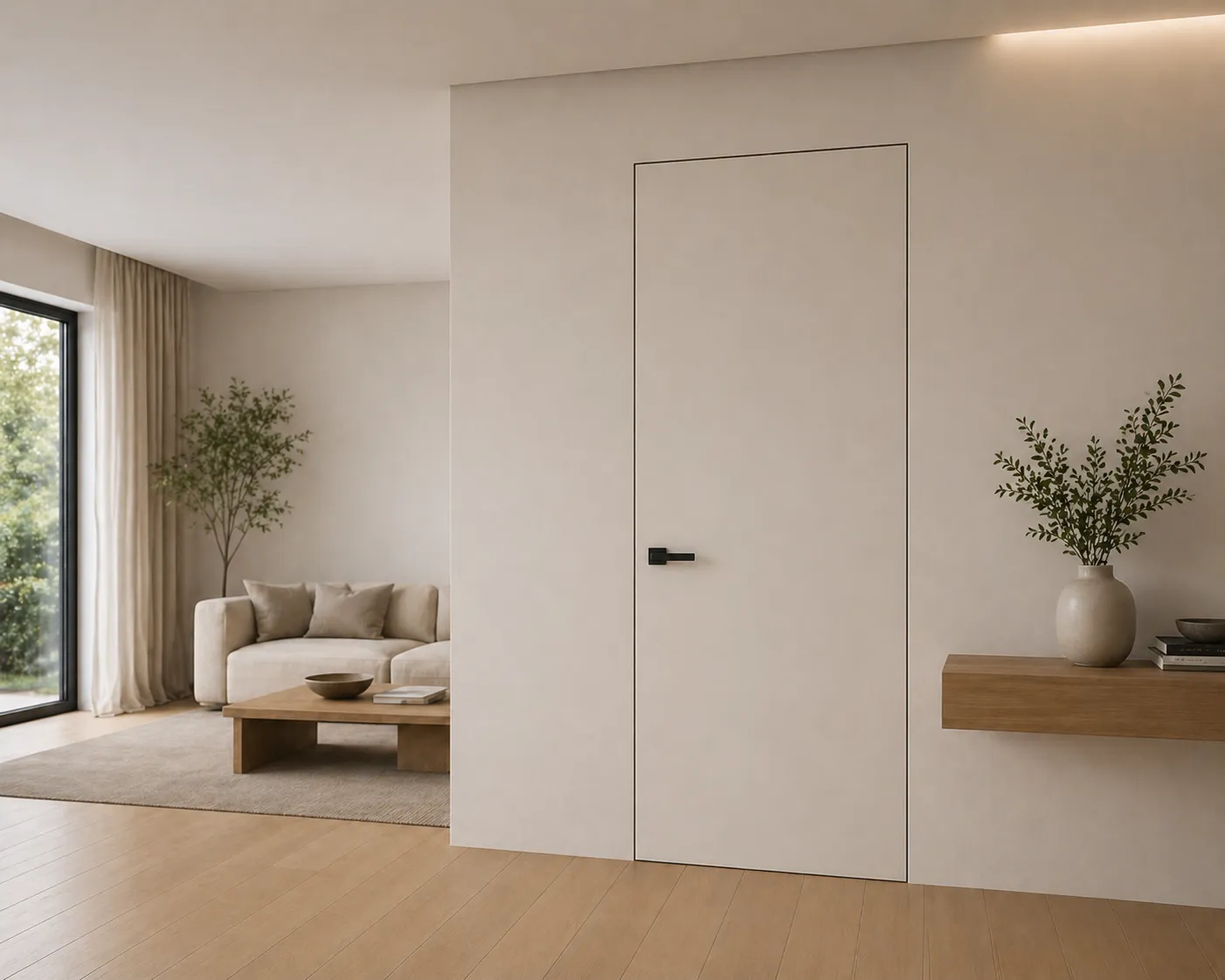

Modern interior design is all about clean lines, hidden details, and seamless aesthetics. One feature gaining popularity in luxury homes, offices, and contemporary spaces is the frameless door jamb detail. Unlike traditional door frames with bulky trims and visible casings, frameless door jambs create a smooth, flush-to-wall appearance that blends perfectly into modern architecture.
A great example of this design style is the Flush Door Frame frameless door jamb details, which offers sleek aluminum jambs designed for minimalist interiors.
What Is a Frameless Door Jamb?
A frameless door jamb is a concealed door frame system installed inside the wall structure so that no visible trim or casing appears around the door. The result is a hidden-frame effect where the door becomes part of the wall design.
Traditional door frames typically include:
- Visible wood trim
- Decorative casing
- Raised edges around the opening
Frameless jamb systems eliminate these elements to create:
- Flush wall alignment
- Invisible transitions
- Minimalist architectural detailing
This modern approach is commonly used in:
- Luxury residences
- Contemporary apartments
- Office interiors
- Boutique hotels
- High-end commercial spaces
Why Frameless Door Jamb Details Are Popular
Minimalist interior trends continue to dominate modern architecture because they create open, elegant, and clutter-free spaces. Frameless systems help achieve this visual simplicity.
Key Benefits
1. Seamless Appearance
The biggest advantage is the clean flush finish. Since the frame is concealed within the drywall, the wall and door appear as one continuous surface.
2. Modern Architectural Style
Frameless jambs instantly give interiors a premium and sophisticated look that works beautifully with:
- Modern homes
- Scandinavian interiors
- Industrial spaces
- Luxury apartments
3. Better Visual Space
Without bulky trims or moldings, rooms feel larger and more open.
4. Hidden Door Possibilities
Many homeowners paint the door the same color as the wall, creating a hidden or “invisible” door effect.
5. Durable Construction
Modern systems often use aluminum or galvanized steel, making them stronger and more moisture-resistant than traditional wood frames.
Important Frameless Door Jamb Details
When planning a frameless door installation, precision is extremely important. Every detail affects the final appearance.
Wall Integration
The frame is embedded into drywall or plaster during construction. This allows the wall finish to continue directly to the edge of the door opening.
Concealed Hinges
Most frameless systems use hidden adjustable hinges that remain invisible when the door is closed. These hinges support the modern clean-line aesthetic.
Flush Door Slab
A flush slab door is typically paired with the jamb system. The slab sits level with the wall surface for a sleek finish.
Magnetic Latches
Many modern frameless door jamb systems use magnetic locks or hidden latches instead of traditional hardware for quieter operation and a cleaner look.
Types of Frameless Door Jamb Systems
Inswing Frameless Jamb
The door opens inward while maintaining a flush appearance on one side of the wall.
Outswing Frameless Jamb
The door opens outward and is ideal for modern hallway designs and concealed room entrances.
Full Height Frameless Doors
These extend from floor to ceiling for a dramatic architectural effect.
Hidden Doors
Designed to blend completely into the wall using matching paint or wall panels.
Materials Used in Frameless Door Jamb Details
Aluminum
The most popular material because it is:
- Lightweight
- Strong
- Corrosion resistant
- Easy to install
Galvanized Steel
Used in premium commercial applications for extra durability.
MDF or Wood Doors
Flush wood slabs are often combined with aluminum jamb systems for a warm minimalist appearance.
Installation Considerations
Frameless door jamb systems require accurate measurements and professional installation.
Key Installation Factors
- Proper rough opening dimensions
- Perfect wall alignment
- Accurate hinge positioning
- Drywall finishing quality
- Smooth paint application
Because the frame becomes part of the wall, poor finishing can easily ruin the seamless effect.
According to modern concealed jamb manufacturers, these systems are designed to integrate directly into drywall during framing stages for best results.
Frameless Door Jamb vs Traditional Door Frame
| Feature | Frameless Door Jamb | Traditional Door Frame |
|---|---|---|
| Appearance | Minimal and flush | Decorative and visible |
| Trim Required | No | Yes |
| Design Style | Modern | Classic |
| Installation Complexity | Higher | Standard |
| Visual Cleanliness | Excellent | Moderate |
| Hidden Door Option | Yes | Limited |
Best Applications for Frameless Door Jamb Details
Frameless systems work especially well in:
- Luxury homes
- Modern offices
- Designer apartments
- Contemporary kitchens
- Minimalist bedrooms
- Hallways with clean architectural lines
They are also popular for:
- Walk-in closets
- Hidden storage rooms
- Home offices
- Media rooms
Are Frameless Door Jambs Worth It?
If your goal is to create a sleek and modern interior, frameless door jamb details are definitely worth considering. While installation costs may be higher than traditional frames, the visual impact is significantly more luxurious and contemporary.
Many architects and designers prefer frameless systems because they remove visual clutter and create uninterrupted wall surfaces. Community discussions online also highlight how frameless doors look especially impressive when paired with modern interiors and concealed hardware.
Final Thoughts
Frameless door jamb details are redefining modern interior design. Their clean appearance, concealed structure, and seamless wall integration make them a favourite among architects, designers, and homeowners seeking a minimalist aesthetic.
Whether you choose an inswing or outswing configuration, a quality system like the Flush Door Frame frameless jamb collection can help create a sophisticated flush-to-wall design that elevates any interior space.





















Sign in to leave a comment.