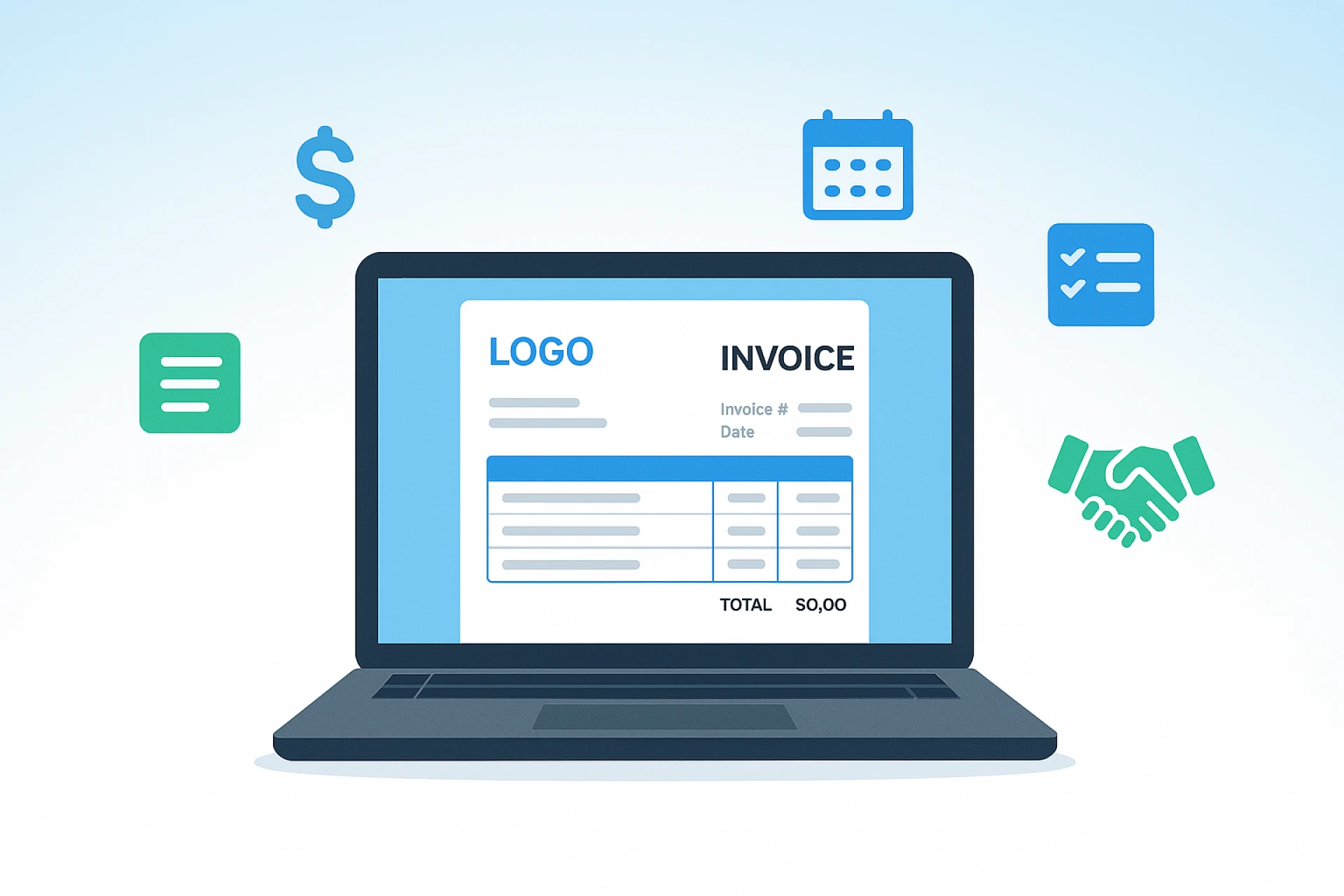

As a freelancer, getting paid on time is one of the biggest challenges. You deliver great work, but the final step, issuing an invoice and getting paid, often feels clunky, uncertain, or delayed.
Good invoicing isn’t glamorous, but it’s essential. In this article, you’ll find five habits and practices that freelancers and small business owners can adopt to streamline the invoicing process, reduce delays, and get paid for more work.
And yes, there’s one browser tool at the end that helps you put many of these habits into action, with no fuss.
1. Invoice Immediately After Work Is Done
Don’t wait until the end of the week or month. The closer you issue an invoice to the completion of work, the fresher it is in your client’s mind. Plus, it reduces the chance you’ll forget details.
Pro tip: Use a template or preset form so you can fill and send the invoice in just a few minutes.
2. Use Consistent, Simple Templates
A consistent format helps clients trust your professionalism and makes it easier for you to reuse. Keep a standard structure:
- Your details (name, business, contact)
- Client’s name and address
- Line items (description, quantity, rate)
- Subtotals, taxes, discounts
- Due date and payment methods
When you always use this layout, creating invoices becomes faster.
3. Communicate Payment Terms Up Front
Before starting work, clarify when and how you’ll be paid. Include terms such as:
- Payment due in 7, 14, or 30 days
- Accepted payment methods (bank transfer, PayPal, etc.)
- Late payment fees (if any)
When clients know the rules in advance, you avoid awkward conversations later.
4. Automate What You Can
Manual data entry slows you down and introduces mistakes. Automate elements like:
- Client information
- Rate presets
- Tax calculations
- Logo and branding
By automating these, you spend less time on repetitive work and more time on your core tasks.
5. Keep Everything Private & Under Your Control
Many invoice services host your data on their servers. While convenient, that creates dependencies and risk (e.g. service shut down, account issues).
Instead, prefer tools that allow you to store data locally (on your device/browser) or give you export/import capabilities. That way, you retain ownership of your invoices and client data.
Bonus: A Tool That Puts These Habits Into Practice
If you'd like a practical tool that supports many of these smart habits, consider trying InvoiceManagers is a browser-based online invoice generator that:
- Requires no signup or account, so you can get started immediately
- Operates fully within your browser (your data never leaves)
- Let's you customize branding and styles
- Lets you save or download invoices as PDF
It’s lightweight, privacy-first, and a good match for freelancers who want control over their invoicing without extra overhead.
Conclusion
Better invoicing habits aren’t just about filling forms—they’re about consistency, clarity, and taking control of your workflow. Issue invoices promptly, use templates, set clear terms, automate where possible, and keep your data in your hands.
When you combine these habits with a tool designed for privacy and convenience, you’ll likely see fewer payment delays and smoother cash flow. Give it a try, and here’s to faster payments and less stress.
























Sign in to leave a comment.