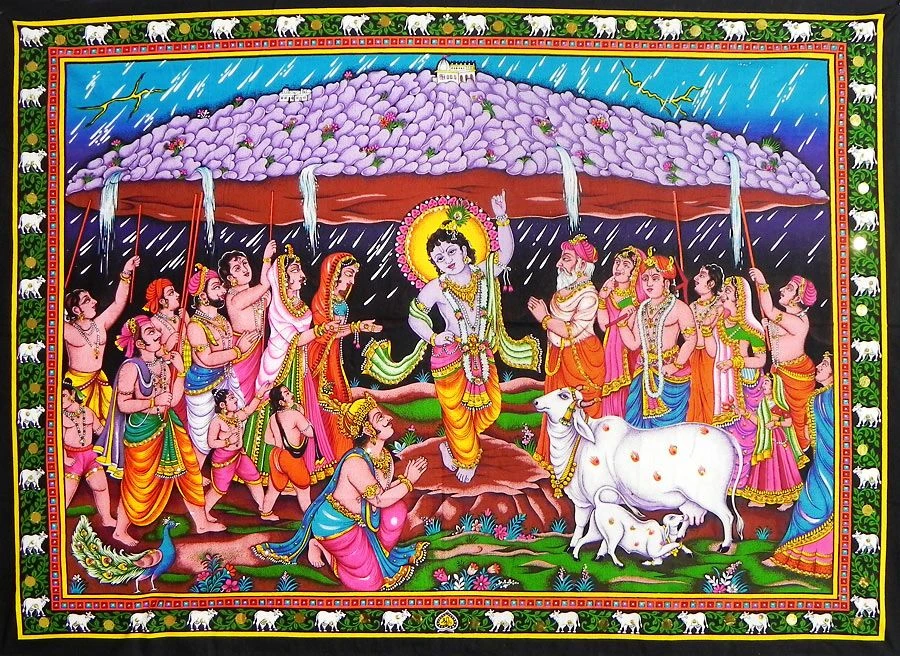

In a world increasingly dominated by digital imagery and mass production, there is a quiet but powerful resurgence of interest in the handmade, the meaningful, and the deeply rooted. Traditional paintings, with their cultural significance and intricate detail, are being re-evaluated not just as decorative art but as treasured expressions of heritage. From the fine brushstrokes of Mughal miniatures to the bold symbolism of Madhubani, these art forms reflect a timeless elegance that modern styles often cannot replicate.
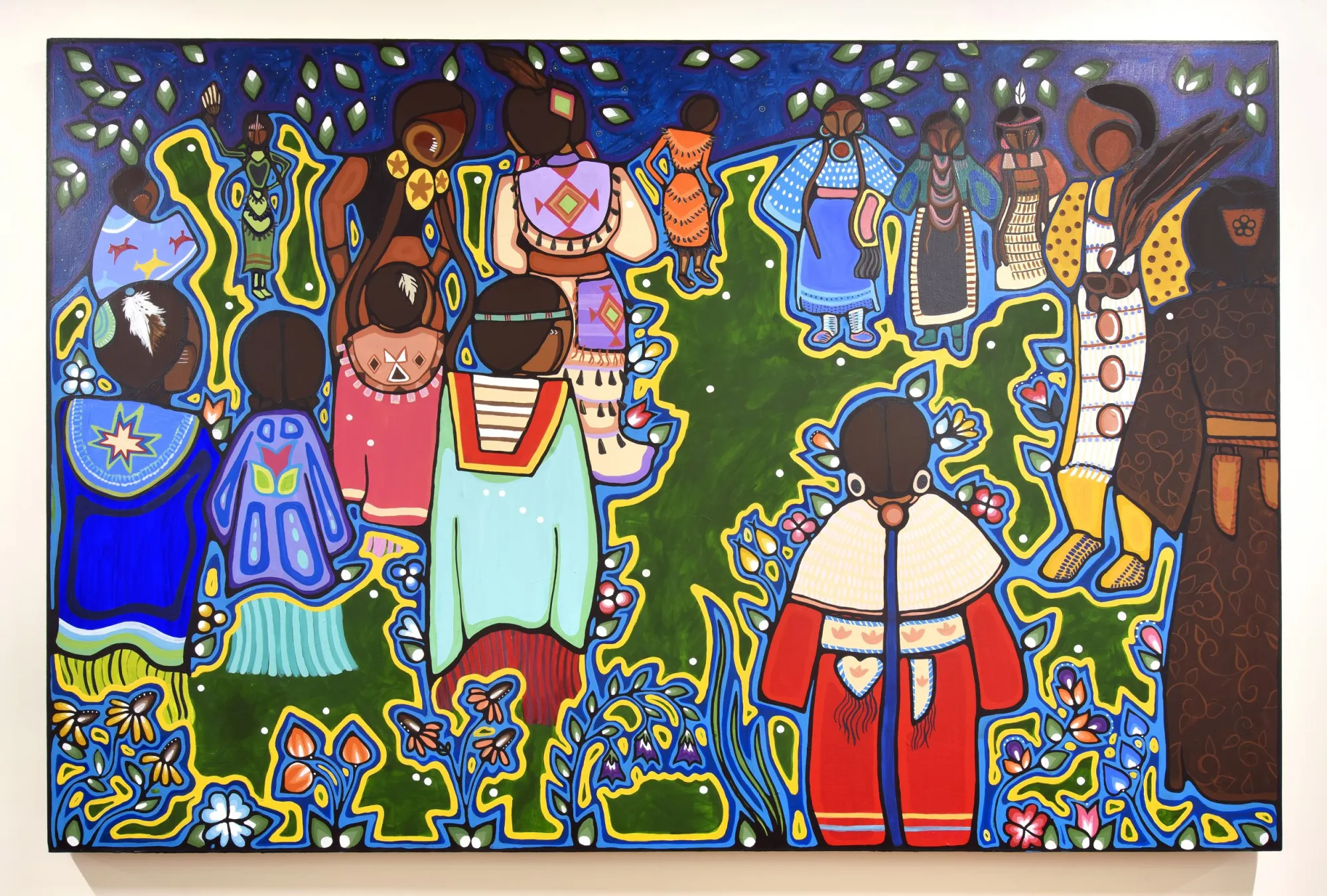
Traditional Paintings, unlike contemporary or abstract works, are deeply woven into the cultural and historical fabric of the communities that produce them. Each piece carries generations of knowledge, symbolism, and technique, often passed down through families or local guilds. They are more than visual art—they are stories told in color and form, often depicting folklore, religious themes, and rural life. The growing appreciation for such art is a recognition of its ability to preserve history, evoke emotion, and promote cultural continuity.
A Bridge Between the Past and the Present
What makes traditional art enduring is its adaptability without loss of authenticity. Artists today continue to employ centuries-old techniques while finding new ways to express them. This balance of reverence and relevance is key to the sustained interest in traditional forms. Whether reimagined on canvas, textile, or wall murals, these paintings remain a bridge between the past and the present, evolving with time while staying true to their roots.
This revival is not confined to galleries or museums. It has found new life in home décor, fashion, and even digital storytelling. Brands like Prosperity Mirra are leading the way by blending age-old artistry with contemporary sensibilities, helping these traditional works find resonance in modern living spaces and wardrobes.
Techniques That Tell a Tale
Each traditional painting style has its own unique technique and identity. For instance, Pattachitra from Odisha is characterized by detailed mythological narratives painted on cloth or dried palm leaves. The artists use natural pigments and handmade brushes to maintain authenticity. Warli art, hailing from Maharashtra, is known for its simple white forms on earthy backgrounds, often depicting scenes of rural life and community celebration.
Madhubani paintings of Bihar are famed for their vivid colors and geometric patterns, usually painted with fingers, twigs, or matchsticks. These styles, and many others across India and beyond, are not just about aesthetics—they are about meaning. Every color, symbol, and stroke carries cultural significance, making each piece a unique cultural artifact.
Sustainability Rooted in Tradition
Another reason traditional paintings are gaining renewed interest is their alignment with sustainable and ethical values. Many of these art forms use eco-friendly materials such as natural dyes, handmade paper, and locally sourced fabrics. In a world that’s becoming increasingly conscious of its ecological footprint, the slow, sustainable process of creating traditional art is a welcomed contrast to industrial manufacturing.
Artisans work closely with nature—not just in sourcing materials but also in the themes they represent. Trees, animals, rivers, and celestial bodies often feature prominently in these artworks, reinforcing a deep respect for the environment that is integral to many traditional belief systems.
Supporting Communities and Craftsmanship
Investing in traditional art isn't just about owning a piece of heritage—it's also about supporting the communities that keep these traditions alive. Many artists live in rural areas where access to modern platforms is limited. Organizations and brands that collaborate directly with these artisans help ensure fair wages, skill development, and cultural preservation.
As more consumers seek meaningful purchases, there's a growing shift toward buying handmade over mass-produced. Traditional paintings, in this context, become more than art—they become acts of preservation and solidarity with indigenous knowledge and rural craftsmanship.
A Cultural Renaissance
What we are witnessing today is not just a revival, but a cultural renaissance. Workshops, art fairs, and online platforms are bringing traditional paintings to global audiences. Younger generations of artists are learning the craft while also pushing its boundaries, experimenting with new mediums and styles that still pay homage to tradition.
The visual language of traditional art continues to resonate, proving that some forms of beauty are truly timeless. Whether it’s hanging on a wall, printed on fabric, or presented in digital form, these paintings are enduring symbols of identity, belief, and connection.




















Sign in to leave a comment.