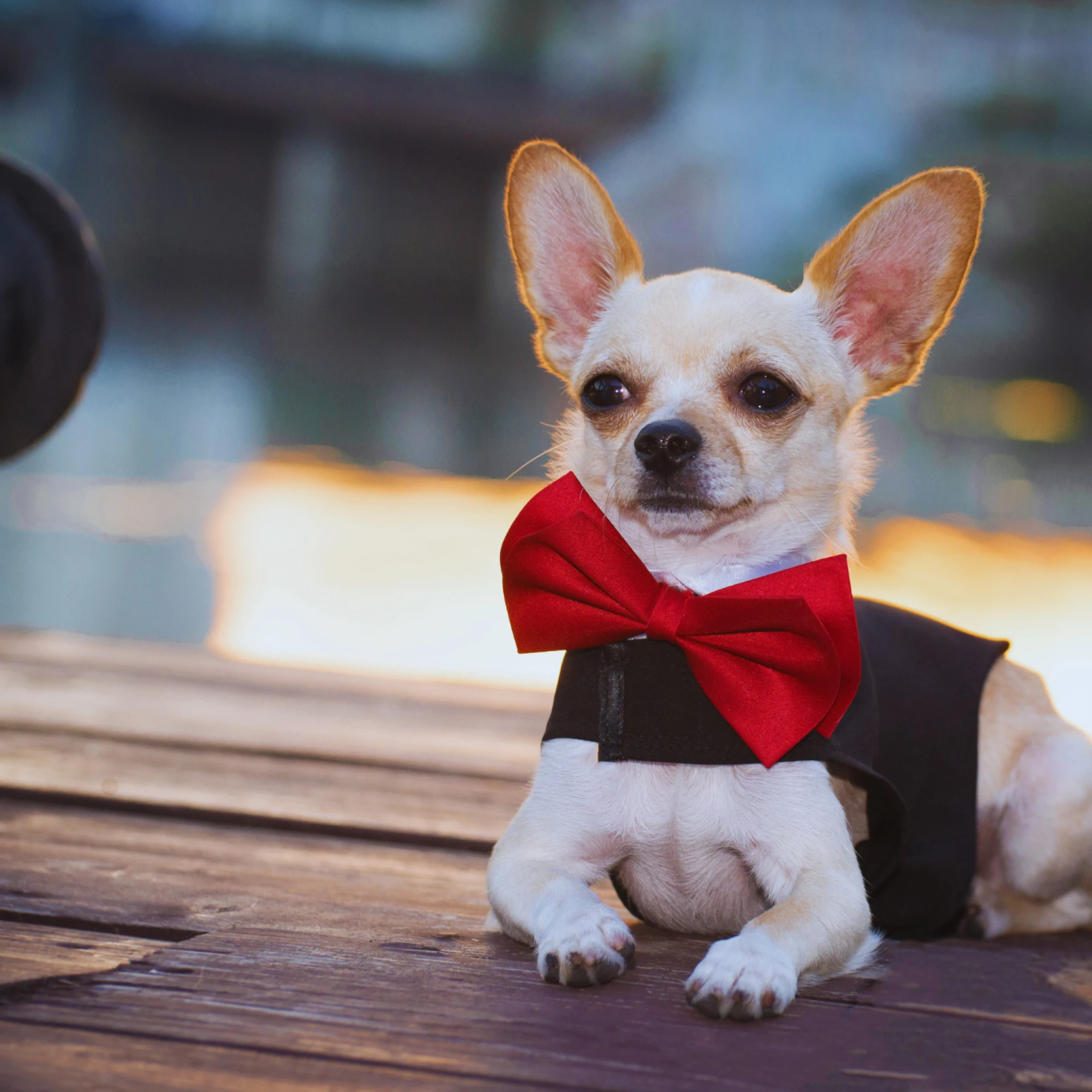
Dog fashion has come a long way from the simple leather collar your grandparents might have buckled onto their family pet. Walk through any urban park today, and you'll spot French Bulldogs in designer hoodies, Goldendoodles sporting weatherproof boots, and Chihuahuas wrapped in cashmere sweaters that cost more than your own wardrobe.
This isn't vanity run amok. Much of canine fashion serves genuine purposes: protecting hairless breeds from sunburn, keeping arthritic seniors warm, or simply making that evening walk safer with reflective gear.
The spectrum of dog fashion now spans from functional collars to full-on hoodies, offering options for every dog regardless of size, breed, or lifestyle.
Whether you're dressing your pup for practical reasons or pure style, understanding what's available and what actually works can save you money and keep your four-legged friend comfortable. Here's what you need to know about outfitting your dog in 2024. For the trendiest options, check out dog designer clothes to see the latest styles that combine fashion with comfort.
The Evolution of Canine Style and Functional Wear
Dogs have worn collars for thousands of years, originally serving as identification markers and control tools. Ancient Egyptian dogs sported decorative collars, and medieval hunting hounds wore spiked versions for protection against wolves. The shift toward fashion-forward pet clothing, however, is remarkably recent.
The pet fashion industry exploded in the early 2000s, driven partly by celebrity culture and partly by genuine innovation in pet care. Paris Hilton carrying Tinkerbell in designer bags sparked a trend, but the real growth came from practical developments:
- Technical fabrics designed for human athletic wear adapted for dogs
- Increased awareness of breed-specific needs, particularly for short-coated or hairless dogs
- Growing recognition that older dogs benefit from warmth and joint support
- Urban living creating demand for visibility and weather protection
Today's market generates over $6 billion annually in pet apparel and accessories in the United States alone. That figure reflects a fundamental shift in how we view our pets and their needs.
Essential Accessories: Collars, Leashes, and Bandanas
Every dog needs a collar, but the options have multiplied dramatically. Beyond basic nylon, you'll find leather, biothane, hemp, recycled materials, and specialty fabrics designed for specific activities. The collar you choose affects your dog's comfort, safety, and even skin health.
Bandanas have emerged as the entry point for many pet owners exploring dog fashion. They're affordable, easy to swap out, and work on virtually any size dog. A simple bandana can indicate that a dog is friendly, in training, or needs space, making them functional as well as decorative.
Choosing the Right Material for Comfort and Durability
Material matters more than most people realize. A dog wearing a collar 24/7 needs something that won't irritate skin, hold moisture, or develop odors.
Nylon remains popular for good reason: it's affordable, comes in endless colors, and dries quickly. However, it can cause friction on dogs with sensitive skin or thin coats. Leather develops a nice patina over time and tends to be gentler, but it requires maintenance and shouldn't get soaked repeatedly.
Biothane has become a favorite among trainers and active dog owners. This synthetic material looks like leather but handles water, mud, and general abuse without complaint. It wipes clean in seconds and doesn't absorb odors.
For bandanas and decorative accessories, cotton breathes well but wrinkles and stains easily. Performance fabrics with moisture-wicking properties work better for active dogs.
The Rise of Personalized and Tech-Integrated Collars
GPS tracking collars have transformed how owners manage their dogs' safety. Modern options like Fi and Whistle combine activity monitoring with real-time location tracking, letting you know if your dog escapes the yard before they've made it to the next block.
Personalization has moved beyond embroidered names. Laser-engraved metal plates, custom-printed patterns, and even collars featuring your dog's portrait have become mainstream. Some owners coordinate collar designs with their own accessories, creating a subtle matching aesthetic.
Smart collars now monitor:
- Daily activity levels and exercise goals
- Sleep patterns and rest quality
- Location history and escape alerts
- Temperature exposure warnings
Weather-Ready Wardrobes for Outdoor Adventures
Functional outerwear represents the fastest-growing segment of dog fashion. Dogs who spend significant time outdoors need protection from elements that can cause genuine health problems.
Insulated Parkas and Sweaters for Cold Climates
Not every dog needs a winter coat. Breeds like Huskies, Malamutes, and Bernese Mountain Dogs have built-in insulation that makes additional layers unnecessary and potentially harmful by causing overheating.
However, many dogs genuinely benefit from cold-weather gear:
- Short-coated breeds like Greyhounds, Pit Bulls, and Boxers
- Small dogs with high surface-area-to-body-mass ratios
- Senior dogs with arthritis or circulation issues
- Puppies who haven't developed full coats
Quality winter gear features adjustable closures, coverage that protects the chest and belly, and materials that maintain warmth when wet. Fleece-lined options work well for dry cold, while insulated waterproof shells handle snow and sleet.
Waterproof Raincoats and Protective Footwear
Rain gear prevents that miserable wet-dog experience and reduces the amount of mud tracked into your home. Good raincoats feature sealed seams, adjustable hoods, and belly coverage that actually stays in place during walks.
Dog boots remain controversial among owners, but they serve legitimate purposes beyond looking adorable. Hot pavement can burn paw pads in summer, while ice-melting chemicals cause irritation and potential poisoning if licked in winter. Dogs recovering from paw injuries need protection from debris and bacteria.
Getting a dog comfortable with boots requires patience. Start with short indoor sessions and reward generously.
The Hoodie Trend: Casual Comfort for Modern Pups
Dog hoodies have become the unofficial uniform of urban canines. They offer warmth without the fussiness of structured coats, and most dogs tolerate them well once acclimated.
The appeal extends beyond function. Hoodies give dogs a relaxed, approachable appearance that many owners find irresistible. They're also practical: easy to pull on and off, machine washable, and available at every price point from budget to luxury.
Streetwear Aesthetics and Matching Human-Dog Outfits
Coordinated human-dog outfits have moved from novelty to genuine trend. Major brands now release matching collections, and independent designers build entire businesses around the concept.
The aesthetic ranges from subtle to statement-making. Some owners prefer matching colors or patterns that create visual harmony without being obvious. Others embrace the twinning fully, wearing identical graphic hoodies or coordinated athletic wear for runs.
Social media has accelerated this trend significantly. Instagram accounts dedicated to stylish dogs rack up millions of followers, and the hashtag culture rewards creative outfit coordination.
Special Occasion Attire: Formal Wear and Costumes
Wedding season brings a surge in formal dog wear. Dogs serving as ring bearers or simply attending ceremonies need appropriate attire, and the options have become surprisingly sophisticated.
Tuxedo-style harnesses, bow ties, and formal dresses allow dogs to participate in milestone events without wearing restrictive clothing. The best formal wear prioritizes comfort and freedom of movement while maintaining the aesthetic.
Halloween represents the peak of dog costume culture. Popular choices include:
- Pop culture references and character costumes
- Food-themed outfits, particularly hot dogs and tacos
- Coordinated family themes
- Classic options like pumpkins and witches
The key to successful costume wear is keeping sessions brief and watching for stress signals.
Sizing and Safety: Ensuring a Perfect Fit
Ill-fitting clothing causes more problems than no clothing at all. Too tight restricts movement and circulation. Too loose creates tripping hazards and allows cold air to penetrate.
How to Measure Your Dog Accurately
Accurate measurements require a flexible tape measure and a cooperative dog. Take measurements while your dog is standing naturally, not stretched or compressed.
Essential measurements include neck circumference at the collar point, chest girth at the widest point behind the front legs, and back length from the base of the neck to the base of the tail. For boots, trace each paw on paper and measure width and length.
Size charts vary dramatically between brands. A medium in one brand might fit like a small or large in another. When possible, order from retailers with good return policies until you learn which brands work for your dog's proportions.
Identifying Signs of Discomfort or Restricted Movement
Dogs can't tell us when clothing bothers them, but they show us clearly if we pay attention.
Watch for excessive scratching or biting at garments, reluctance to move normally, hunched posture, or attempts to remove the item. Panting when not hot, whining, or freezing in place all indicate distress.
Check that you can slip two fingers under collars and that clothing doesn't bind at leg openings or restrict the tail. Observe your dog's gait: any change in how they walk suggests the fit needs adjustment.
The goal of dog fashion, from collars to hoodies and everything between, remains keeping your dog comfortable while meeting practical needs. Style matters, but your dog's wellbeing comes first. Start with essentials, learn your dog's preferences, and build a wardrobe that works for both of you.























Sign in to leave a comment.