

From Concept to Checkout: Deploying AI Agents in Retail
In today’s hyper-competitive and digitally driven marketplace, customer expectations are higher than ever. Shoppers demand seamless, intuitive, and personalized experiences at every stage of the retail journey. For businesses striving to meet these demands, AI agent for retail and ecommerce solutions have emerged as a game-changing technology. From initial concept ideation to full-scale deployment, AI agents are transforming how retailers engage with customers, streamline operations, and drive revenue.
This comprehensive guide explores the end-to-end deployment process of AI agents in retail and ecommerce environments, detailing strategies, technologies, benefits, and real-world examples to help businesses maximize their investment.
Understanding the Role of AI Agents in Retail and Ecommerce
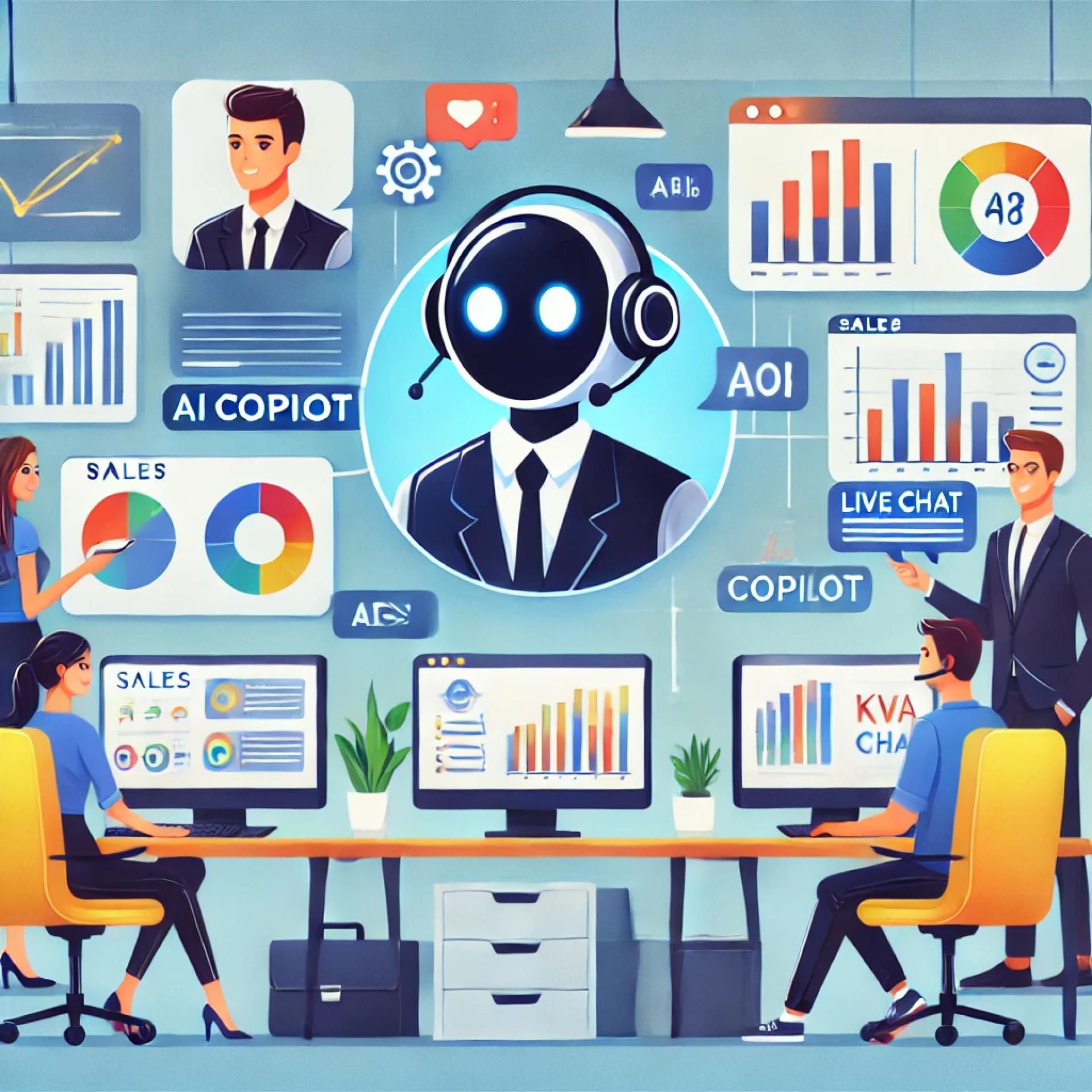
An AI agent for retail and ecommerce functions as an intelligent digital assistant that interacts with users across various touchpoints—websites, mobile apps, messaging platforms, and in-store devices. These agents leverage artificial intelligence technologies such as natural language processing (NLP), machine learning (ML), computer vision, and predictive analytics to simulate human-like conversations and automate complex tasks.
Key functions include:
- Personalized product recommendations
- Automated customer service
- Purchase assistance and cart recovery
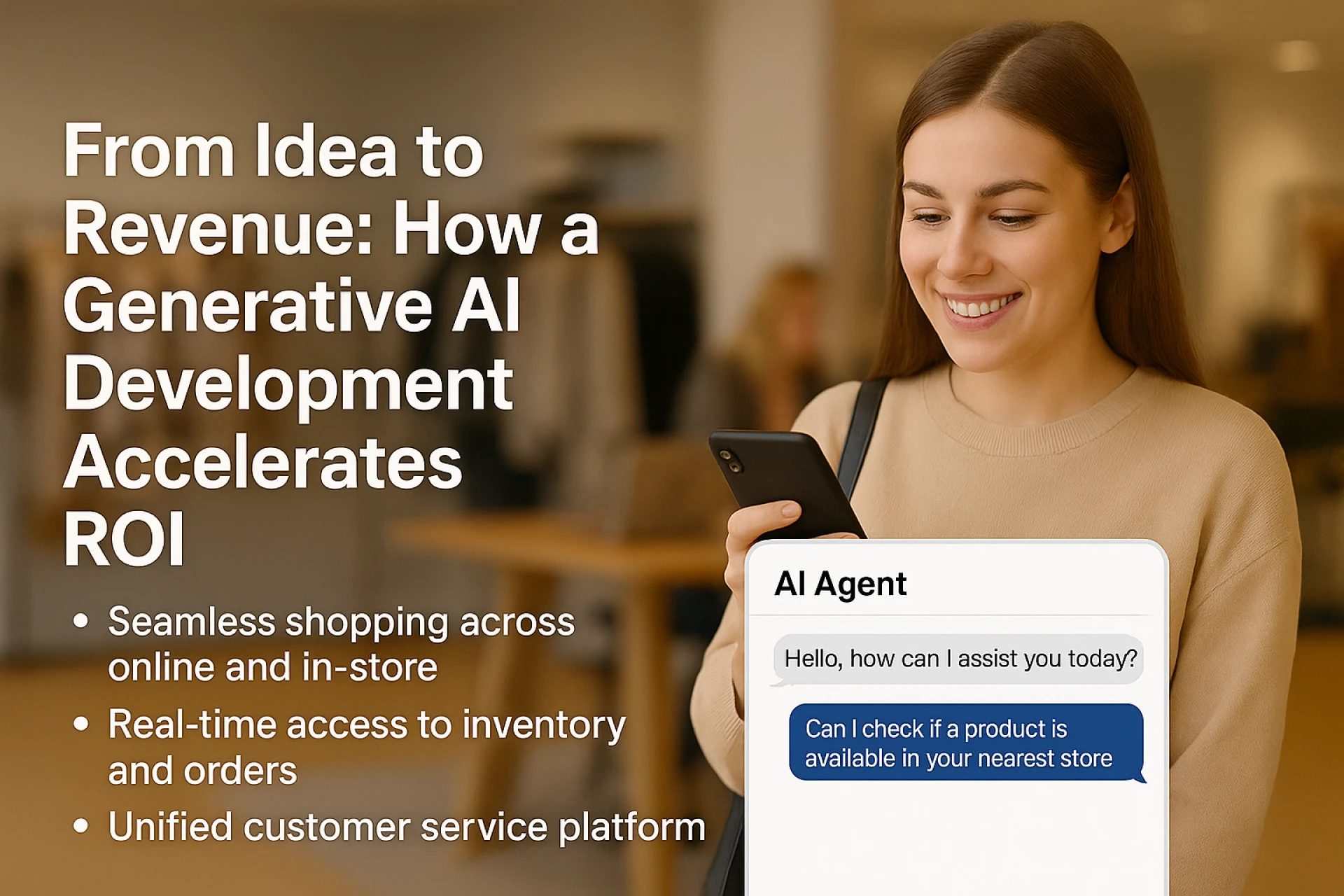
- Inventory and order tracking
- Customer feedback collection
- Post-purchase support
Stage 1: Ideation and Planning
Before developing or implementing an AI agent, retailers must clearly define their business objectives. This involves:
- Identifying pain points: Where are customers dropping off? Are support tickets piling up? Is your team overwhelmed by repetitive queries?
- Establishing goals: Do you want to increase conversion rates? Reduce customer service costs? Improve personalization?
- Selecting platforms: Decide where your AI agent will operate (e.g., website, WhatsApp, mobile app).
A retail brand might aim to improve first-time visitor engagement by introducing an AI agent to guide them to relevant products quickly.
Stage 2: Designing the AI Agent Experience
Customer experience design is central to the success of AI agents. The agent must align with your brand’s tone and provide value from the first interaction.
Key design components:
- Conversational flows: Develop user journeys for common interactions, such as product searches, FAQs, and returns.
- Voice and tone: Ensure consistency with your brand identity.
- Multi-language support: For global retailers, language accessibility is crucial.
- Visual UI: Integrate chat widgets or icons that fit naturally within your digital platforms.
Stage 3: Development and Integration
Once the blueprint is ready, developers and AI experts begin building the backend systems that power the AI agent for retail and ecommerce. This includes:
- Natural Language Understanding (NLU): Enables the agent to comprehend customer queries.
- Intent recognition and entity extraction: Ensures the bot understands and categorizes queries accurately.
- Integration with backend systems: CRM, ERP, inventory databases, and payment gateways.
- Testing in real-world scenarios: Validate with real users to refine intent mapping and responses.
Many retailers also choose pre-built AI agent platforms that allow for customization without starting from scratch.
Stage 4: Deployment and Go-Live
With the AI agent ready, it’s time for deployment. Start with a phased rollout:
- Soft launch in specific channels or regions
- Monitor usage and performance closely
- Gather user feedback
- Refine flows and fix issues in real-time
Use A/B testing to compare different user flows and optimize response strategies. Ensure human fallback is available if the AI agent encounters a complex request.
Stage 5: Optimization and Scaling
Once live, continuous learning and improvement is key. AI agents grow smarter with every interaction.
Optimization strategies include:
- Analyzing conversation logs to identify common drop-off points.
- Expanding use cases beyond support to upselling, loyalty programs, and returns.
- Training the AI with new data from customer behavior.
- Adding channels like voice assistants, kiosks, and social media.
Retailers often see the best ROI by integrating AI agents with marketing automation, allowing personalized campaigns and re-targeting efforts.
Key Benefits of AI Agent for Retail and Ecommerce
- 24/7 Availability: No downtime, ensuring customers always have support.
- Cost Efficiency: Reduces reliance on large human support teams.
- Personalization: Tailors product recommendations and promotions.
- Conversion Boost: Encourages faster decision-making with timely nudges.
- Operational Efficiency: Automates repetitive tasks like returns and order status updates.
Real-World Examples
- Electronics Retailer: Increased checkout rates by 35% after deploying an AI agent to guide shoppers with side-by-side comparisons and stock alerts.
- Fashion Ecommerce Brand: Reduced return rates by 20% with a chatbot that provides detailed size guidance and fabric info.
- Grocery Chain: Uses AI agents to send reminders for frequent purchases, increasing repeat order value by 28%.
Key Industries Leveraging AI Agents
- Fashion and Apparel: Virtual stylists, try-on assistance, and personalized lookbooks.
- Consumer Electronics: Specs comparison, troubleshooting guides.
- Grocery: Reordering, subscription management.
- Home & Furniture: Room visualization, AR-enabled product previews.
- Health & Wellness: Supplement recommendations, self-assessments.
The Future of AI Agents in Retail
As AI technology evolves, so will the capabilities of digital agents. Future-ready features include:
- Emotion AI: Recognize user sentiment and adapt responses accordingly.
- Voice commerce: Natural voice-based interactions for hands-free shopping.
- Hyper-personalization: Predict needs based on individual shopping habits.
- Cross-channel memory: Remember past interactions across channels.
Conclusion
Deploying an AI agent for retail and ecommerce is no longer a novelty—it’s a strategic imperative for forward-thinking brands. From planning and development to deployment and scaling, every phase requires careful execution, but the payoff is worth it: more engaged customers, smarter operations, and increased sales.
Whether you're a boutique brand or a global enterprise, AI agents can enhance every stage of the customer journey—from concept to checkout. Embrace the future of retail today by starting your AI transformation journey.




























Sign in to leave a comment.