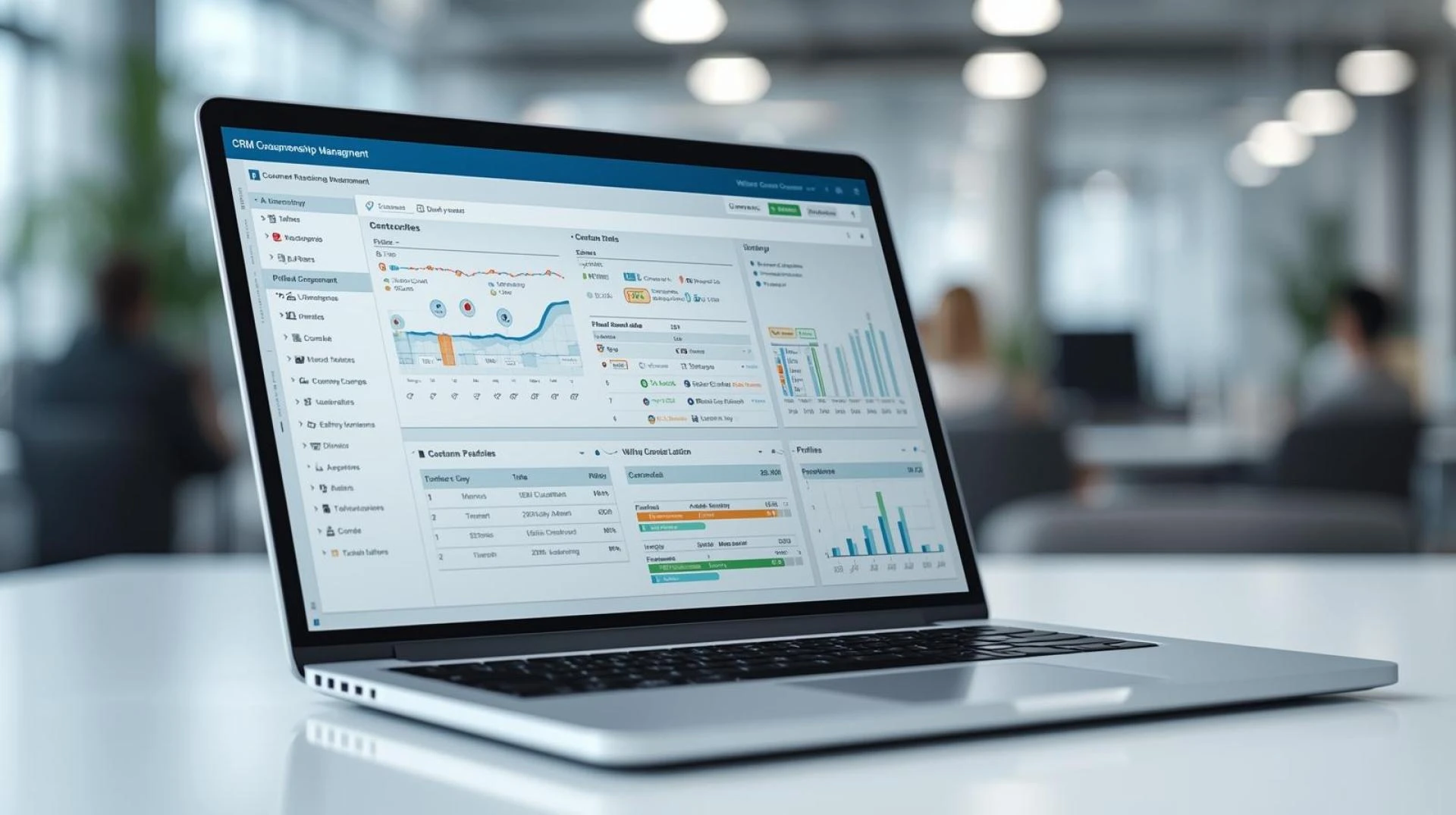

A good CRM tool isn’t just a contact database — it’s the backbone of your marketing. With the right setup, real estate CRM software can make it easier for you to track leads, automate follow-ups, and run campaigns that bring in new clients while keeping past ones engaged.
Why CRM Is the Secret Weapon in Real Estate Marketing
For most agents, CRM is seen as a sales tool — but it’s much more than that. When used strategically, it can become the centre of your marketing efforts.
By using the software, you can segment your contacts and tailor your messages to specific buyer or seller groups. You'll be able to send highly relevant property alerts, market updates, or neighbourhood news, which many potential buyers will appreciate. This personal touch builds trust and keeps you top of mind.
A CRM tool also keeps a record of every interaction, so you can track which campaigns spark the most engagement and double down on what works.
Choosing the Right CRM for Your Marketing Goals
The most useful options for real estate businesses are cloud-based and mobile-friendly, as you can access them anywhere. Look for an online tool. It should also have multiple listing service (MLS) features so that you can pull property data instantly.
If you want to go bigger, look for AI-powered tools that suggest follow-ups based on lead activity. Its must-have marketing features should include email/SMS automation, customisable pipelines, and integrations with your website, IDX feed, or tools such as Mailchimp and Google Workspace.
The right CRM for real estate should save you time while amplifying your outreach.
Setting Up Your CRM for Marketing Success
Getting started the right way makes all the difference. Here are some helpful tips:
- Import your existing contacts and organise them into categories — buyers, sellers, investors, or renters.
- Add tags for specific details, like “luxury,” “first-time buyer,” or “open house attendee.”
- Set up your sales pipelines with clear stages and create automated workflows to nurture leads.
- Link your CRM to website lead capture forms so new prospects flow in automatically.
Some CRM tools even let you track open house sign-ins or voice-to-text notes from property tours, ensuring every interaction is logged and ready for follow-up.
Automating Campaigns and Follow-Ups
A powerful marketing move is to let your CRM handle routine outreach for you. You can use it to set up drip campaigns that automatically send property updates, buyer tips, or investment insights over weeks or months.
You can also schedule reminders for special dates, such as client birthdays, anniversaries, or move-in dates, to send a quick text or email.
With the right tool, you can even trigger follow-ups when a lead clicks on a property link or opens an email, making your marketing timely and relevant. This keeps your pipeline moving without adding hours to your day.
Tracking and Improving Marketing Performance with CRM Data
Your CRM isn’t just for sending messages — it’s a goldmine of marketing insights. Use its reporting tools to see which campaigns generate the most responses and which leads are most active.
Track where your leads come from, whether it's a Facebook ad or a property listing platform. You can then allocate more of your budget to top-performing sources.
The data can help you refine your strategies and focus on the marketing efforts that consistently drive business.
Frequently Asked Questions
Below are some additional key details to know about CRM platforms:
Can I use a CRM tool to automate email and SMS campaigns?
Yes. Most real estate CRM tools include marketing automation for email and SMS, allowing you to schedule messages and personalise outreach at scale.
Does real estate CRM integrate with social media channels?
Many CRMs integrate directly or via tools to sync leads from your social media channels, such as Facebook, Instagram, and LinkedIn, ensuring new inquiries are instantly added to your database.
How secure is client data stored in a real estate CRM?
Reputable CRM platforms use encryption, secure hosting, and access controls to protect client data, with many following GDPR or CCPA compliance standards.
How can I migrate contacts from Excel to a real estate CRM?
Many CRM platforms allow users to upload a CSV file directly from Excel. However, before importing, clean up your data by removing duplicates and ensuring all files and documents have consistent formatting. Also, add relevant tags.
Can a CRM track open-house attendees and automatically follow up?
Yes. Many CRMs offer digital sign-in forms or mobile apps that automatically log open house attendees into your database. From there, you can create automated follow-up emails and send property brochures to your clients.
How do I integrate a CRM with my real estate website to capture leads instantly?
You can embed lead forms from your CRM directly onto your site or use integrations with IDX providers. Leads from these forms are instantly pushed into your CRM, where automated workflows can follow up in minutes — often boosting conversion rates.
A well-implemented real estate CRM software setup can be the marketing partner you didn’t know you needed. By combining automation, data insights, and personalised engagement, you can win more listings, close more deals, and build lasting client relationships.






























Sign in to leave a comment.