
Science teaches children to ask questions, solve problems, and understand the world around them. Learning this subject is not just for school; it’s part of everyday life.
When you help your child explore science at home, you show them that curiosity doesn’t stop at the classroom door.
The good news is that you don’t need to be an expert or have fancy equipment to help your little one learn more about science when they’re not in school. Children are naturally curious, which means everyday moments are full of learning opportunities.
With online science tutoring, talking, observing, and experimenting with your child, you can build their confidence and understanding of this field, which can help them with their academic journey and personal growth.
Exploring Science With Your Child
Below are some fun ways to help your child learn more about science to support their academic and personal goals:
1. Find the right tutor for your child.
Online tutoring gives your young learner access to a tutor who can explain tricky topics in a way that makes sense and keeps things engaging.
If your child is struggling with a certain topic, a tutor can break it down step by step without the pressure they may experience inside a classroom. They can explain the subject in different ways to ensure your little one understands them.
The great thing about online private tutoring services is their flexibility. You can fit sessions around your child’s schedule and let them learn from the comfort of home.
The tutor will also customise their lesson plan to focus on your child’s needs, helping them build confidence and fill in any gaps.
When you find the right tutor for your child, you can work with them to tackle problem areas while encouraging curiosity and exploration.
2. Encourage your child to help you in the kitchen.
The kitchen can double as a science laboratory at home. It has plenty of materials or ingredients you and your child can use for simple experiments.
With some kitchen and pantry staples, your little one can explore chemistry, physics, and more topics.
Some experiments you can easily do in the kitchen include making homemade butter using double cream or mayonnaise with oil, vinegar, and egg yolks to learn about emulsion. You can combine bicarbonate of soda and vinegar in a container and watch as they create a fizzy eruption.
Whenever you cook, bake, or prepare food and beverages, ask them to measure ingredients and observe changes in texture and colour when they are combined.
Having your child spend time in the kitchen with you can help them understand that science can be fun and can be applied anywhere.
3. Create a science-friendly space at home.
If your child is into science or you want to boost their interest in this field, look for an area you can turn into a science-friendly space.
Set up a shelf or table where you can place some books, magazines, and other resources about science. Encourage your child to read them during their free time. You can also put other materials you can use for simple experiments and other learning activities.
Have some simple toys, such as balloons, building blocks, and marbles, in this area to help your child learn some physics principles. For chemistry, create homemade slime to understand non-Newtonian fluids.
Get some fun science toys as well, such as microscopes, binoculars, and crystal growing kits.
Encourage your children to observe, ask questions, and make predictions to give them a great mental exercise while they’re having fun.
4. Integrate technology.
With different apps, videos, and interactive tools available, learning science can be more enjoyable and productive for kids.
Have your little one watch TV shows or short videos about scientific topics. You will find plenty of options on regular channels and video streaming sites.
Choose age-appropriate shows or videos, or ones your child can understand, to ensure they learn something from them.
Videos allow your little one to learn at their own pace. If they find something confusing, they can pause, rewind, or try it again in a new way. Some platforms even offer quizzes or games to keep things engaging and boost confidence along the way.
With the right apps, your child can enjoy learning even without your assistance.
5. Explore the outdoors.
The outdoors offers many opportunities for your little one to discover various scientific concepts.
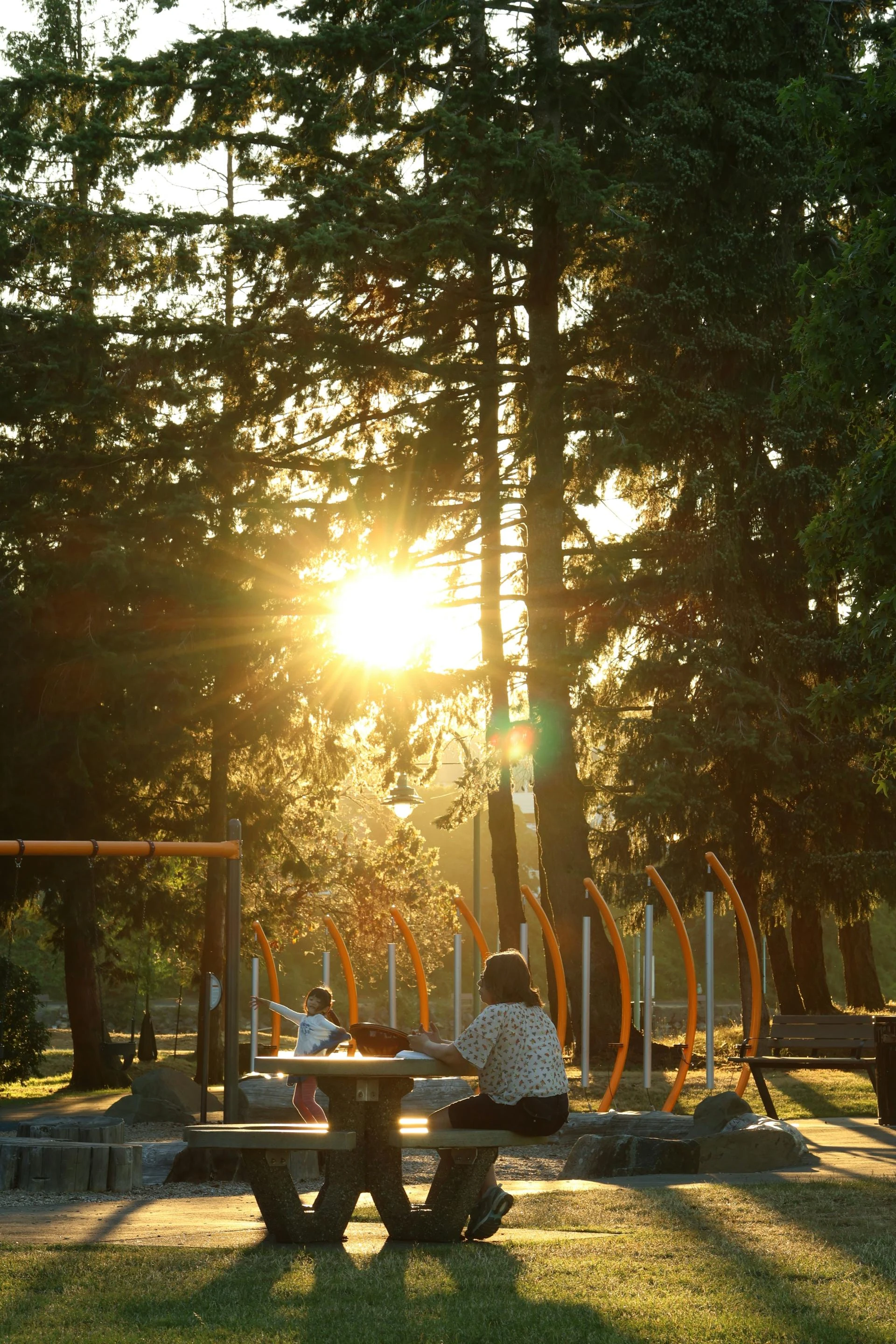
Spend time in a garden or park. While walking, sitting on a bench, or enjoying a picnic, encourage your child to look at the plants, insects, and animals in their natural habitats. Ask some questions about what you see and what your little one finds interesting, and work with them to find the right answers.
Encourage your young learner to ask questions, and if you can’t answer something, research the answer when you get home.
Science museums, aquariums, or zoos are also excellent places that help children expand their knowledge of science.
Aquariums and zoos allow kids to learn about biology and animal science, while science museums are usually interactive and allow visitors to discover scientific concepts with their hands.
At night, look at stars, planets, and galaxies. Use an app or a telescope to look for constellations and celestial objects and boost your child’s interest in space.
6. Look for science workshops and camps your child can join.
Science workshops or camps are designed to spark curiosity and make learning hands-on and exciting. Instead of just reading about how things work, your child gets to see and apply concepts they know and will tackle in real life. They can also ask questions in real time and get answers from experts, which can help make these educational experiences more effective and memorable.
Science camps and workshops often cover a wide range of topics, such as robotics, nature, chemistry, or space, so there’s something to match your child’s interests. These events allow children to meet fellow learners who are just as curious, which makes them more fun and social.
These experiences can help build your child’s confidence and help them learn how to think creatively, solve problems, and enjoy discovery, while having a brilliant time outside the classroom.
Helping your child grow a love for science outside school is all about keeping it enjoyable and accessible. When learning feels fun and natural, they’re more likely to stay engaged.
With the right strategies, you can encourage your child’s curiosity, learn alongside them, and strengthen your bond with them.































Sign in to leave a comment.