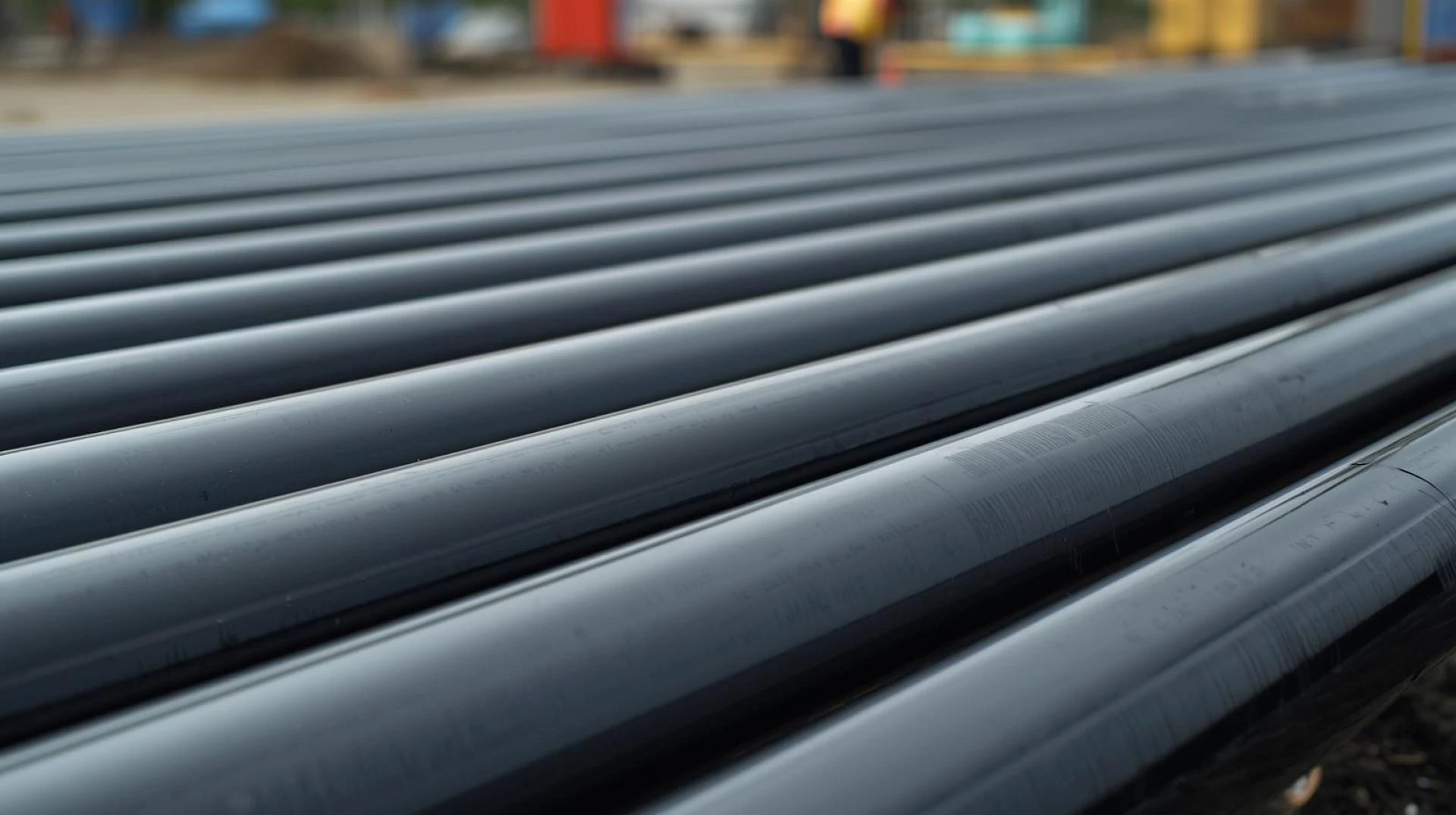

If you’ve worked on construction projects in the UAE, you’ve probably come across HDPE piping. It’s everywhere—from water and gas systems to drainage and fire systems. Contractors love it because it means fewer headaches on-site. But before you order from HDPE pipe manufacturers in Dubai, there are a few things you’ll want to know to keep things running smoothly. Understanding how HDPE works, its applications, and how to select the right supplier can really help save time and avoid any future complications.
Why HDPE Pipes Are a Go-To in UAE Construction
The UAE's climate and ground conditions really test construction materials. With extreme heat, shifting soil, and pressure changes, pipes have to be tough. HDPE pipes are up for the challenge—they bend instead of cracking, and when installed correctly, the joints stay strong.
Over time, this means fewer leaks, less maintenance, and fewer problems down the road. Contractors especially appreciate this durability, knowing that HDPE pipes can withstand the constant shifting that can occur in the region’s challenging environment.
Not only do HDPE pipes offer durability, but they are also cost-effective. While they may have a higher initial cost, their longevity and low maintenance costs mean they are often a more affordable option in the long run. This makes HDPE an excellent investment for both residential and commercial projects.
Where HDPE Pipes Are Used: Water, Gas, Drainage, Firefighting, and Ducting
You’ll see HDPE pipes in all kinds of applications. From drinking water and irrigation lines to gas, sewer, and even fire systems, HDPE is a trusted choice. Plus, it’s not just for residential projects—commercial and industrial buildings rely on it too. And with a wide range of sizes and pressure ratings available locally, it’s easy to find the right fit for your project.
For example, in water systems, HDPE pipes resist corrosion, ensuring clean water remains safe for consumption. In gas and sewer systems, their durability reduces the risk of dangerous leaks. Additionally, these pipes are often used in underground applications, where they perform well under soil pressure, preventing costly repairs or replacements later.
PE100 vs PE80 Pipes: What’s Available in Dubai?
Most HDPE manufacturers in Dubai carry both PE100 and PE80 pipes. PE100 is the stronger option, used in high-pressure systems because it can handle more pressure with thinner walls. PE80 is a more budget-friendly choice for lower-pressure systems. The final decision typically depends on the specifications and pressure requirements for your project.
It’s important to make sure you select the right grade of pipe for your project’s specific needs. Using the wrong type could result in higher maintenance costs or early system failures, so always double-check your requirements and consult with the manufacturer to ensure you're choosing the best option for your needs.
HDPE Pipe Fittings and Accessories
A piping system is only as strong as its connections. That's where fittings come in. In Dubai, you’ll find all the HDPE pipe fittings you need, from butt fusion and electrofusion fittings to flanges and drainage fittings. Using fittings and piping accessories from the same supplier usually makes installation smoother and reduces the chances of any issues down the line.
Additionally, it’s important to consider the installation process itself. Some systems might need customized fittings, and some projects can have challenging configurations that require prefabricated fittings or special welding techniques. Working with a supplier who offers these options will help you avoid unnecessary delays and ensure that everything fits together seamlessly.
How to Choose the Right HDPE Pipe Manufacturer in Dubai
When selecting a supplier, most MEP teams look for more than just a low price. Compliance with international standards like ISO, EN, and AWWA is key. But once the project starts, you’ll appreciate suppliers that offer consistent quality, realistic lead times, and solid technical support. If the supplier also offers welding or fabrication services, even better—it can help speed up the process on-site.
Supplier reliability is especially crucial when working on fast-track projects or complex systems. The ability to quickly resolve any issues and provide additional services like on-site welding or fabrication can be a major factor in ensuring your project stays on schedule and meets all quality standards.
Frequently Asked Questions
Are HDPE pipes safe for drinking water in Dubai?
Yes, HDPE pipes are perfect for potable water systems in Dubai. They resist corrosion and meet the hygiene standards required for UAE projects.
Do Dubai manufacturers provide gas-rated pipes?
Absolutely! Many local manufacturers offer HDPE pipes specifically for gas distribution, built to meet ISO or EN standards used across gas networks.
What fittings are best for HDPE piping systems?
The most common fittings are butt fusion and electrofusion, but you’ll also find fabricated fittings and flanges depending on your project needs.
Can I get welding or fabrication services on-site in Dubai?
Yes, many suppliers offer on-site fusion welding and fabrication, making complex installations easier and ensuring high-quality joints.
Are HDPE pipes approved for fire systems?
Yes, FM-approved HDPE pipes are available in Dubai and can be used for fire systems when specified.
More Questions?
How do HDPE pipes handle the UAE’s high temperatures?
HDPE pipes are tough in the heat, but they should be designed with pressure de-rating to ensure long-term performance in hot conditions.
Can HDPE pipes be used for chemicals or industrial waste?
Definitely. HDPE is resistant to many chemicals, which makes it a great choice for industrial waste and drainage systems.
What’s the most common method of joining HDPE pipes?
Butt fusion and electrofusion are the go-to methods, both creating strong, reliable joints when done properly.
Do HDPE pipes come in coils or straight lengths?
Both. Larger diameters usually come in straight lengths, while smaller pipes often come in coils to minimize joints.
Do manufacturers in Dubai offer custom fabrication?
Yes, many offer custom prefabricated bends, manifolds, and assemblies to save time on-site.
Choosing the right HDPE pipe manufacturer in Dubai doesn’t have to be complicated. With the right pipes, fittings, and approvals, you can trust HDPE systems to perform well on your project—whether it’s residential, commercial, or industrial. By working with experienced suppliers, you’re one step closer to getting the job done without unnecessary delays or issues. When the right systems are in place, you can rest easy knowing your project is set up for long-term success.


























Sign in to leave a comment.