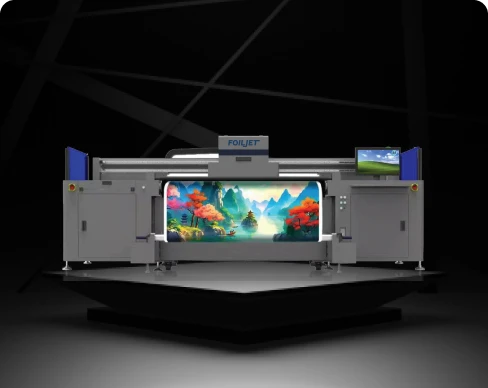

World of textile production is evolving faster than ever. Gone are the days when creating a custom print meant days of preparation, massive water usage, and hours of labor-intensive processes. Today, digital textile printing printers are transforming the journey from design to fabric, making it faster, more sustainable, and cost-effective.
At Orange O Tec, we specialize in providing advanced digital textile printing solutions that help businesses streamline production, reduce waste, and unlock creative possibilities. In this blog, we’ll explore how these printers are changing the game, the benefits they bring, and why companies worldwide are investing in them.
The Traditional Challenges in Textile Production
Traditional textile printing has long faced several challenges:
- Lengthy Setup Times: Preparing screens or rollers for every design can take hours, slowing production.
- High Water Usage: Conventional dye-based methods consume thousands of liters of water per fabric meter.
- Limited Design Flexibility: Changing designs often requires new screens or dyes, limiting creativity.
- Excessive Waste: Overproduction and unused fabrics contribute to environmental harm.
- Labor-Intensive Processes: Skilled labor is required for screen preparation, color mixing, and post-treatment.
These challenges often lead to higher costs, longer lead times, and less sustainable practices.
Enter Digital Textile Printing Printers
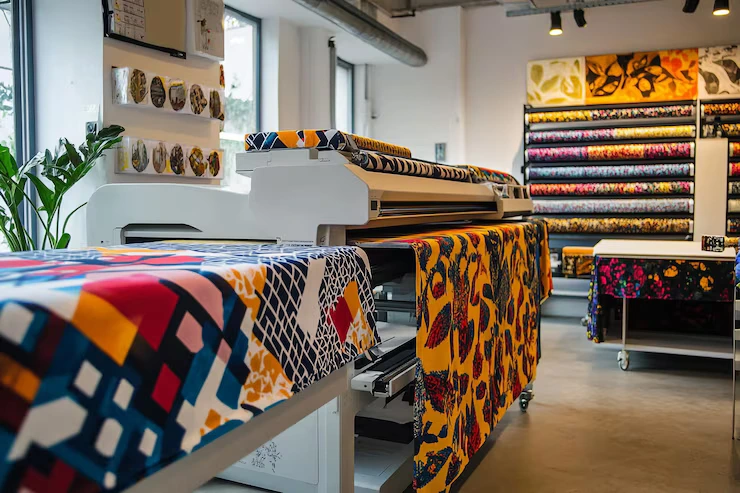
Digital textile printing technology has revolutionized how designs are transferred to fabric. Unlike traditional methods, digital textile printing printers use computer-controlled inkjet systems to apply designs directly onto textiles with precision and efficiency.
Key advantages include:
- Rapid Turnaround: From digital file to printed fabric in hours, not days.
- Eco-Friendly Production: Reduced water and energy usage compared to conventional printing.
- Unlimited Creativity: Complex, multi-colored designs can be printed with ease.
- On-Demand Printing: Print only what’s needed, reducing inventory waste.
At Orange O Tec, our digital printers are designed to support waterless inks, pigment-based inks, and a wide variety of fabrics, making them ideal for sustainable, modern production.
How the Process Works: From Design to Fabric
Let’s break down the journey from your design to the finished fabric using digital textile printing printers:
1. Digital Design Creation
Designers create patterns or prints using CAD software or digital design tools. This allows for intricate patterns, gradients, and color blends that were difficult or impossible with traditional printing.
2. File Preparation
Design files are formatted and optimized for printing. Color management ensures accurate reproduction, and the software can simulate how the design will appear on the chosen fabric.
3. Direct Printing
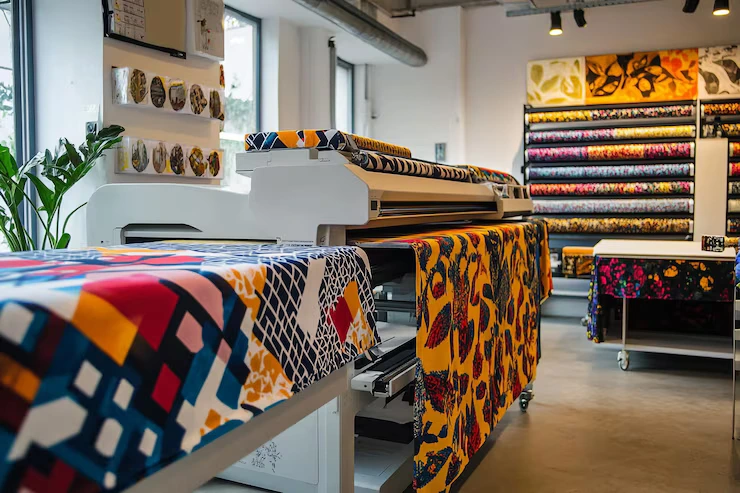
The prepared digital file is sent to the printer. Digital textile printing printers precisely deposit inks onto the fabric, layer by layer. With Orange O Tec printers, this step supports:
- High-resolution detail
- Multiple fabric types (cotton, polyester, blends, technical textiles)
- Eco-friendly inks, including waterless and pigment-based options
4. Curing and Fixation
Once printed, the fabric undergoes curing or steaming to fix the inks. Unlike traditional methods, this process is faster and requires fewer resources.
5. Quality Check and Finishing
The final fabric is inspected for consistency, color accuracy, and overall quality. Digital printing reduces human error and ensures reproducible results.
Advantages for Businesses
Investing in digital textile printing printers offers multiple benefits for manufacturers and brands:
1. Faster Production Times
Digital printing cuts down production timelines dramatically. What used to take days or weeks can now be done in hours, allowing businesses to respond quickly to market trends.
2. Cost Efficiency
Lower water, energy, and labor requirements translate into real cost savings. Additionally, on-demand printing reduces inventory and storage costs.
3. Design Flexibility
With digital printing, complex patterns, photographic prints, and multi-color designs are no longer limited by traditional methods. Creativity is only bounded by imagination.
4. Sustainability
Reduced water consumption, minimized chemical use, and less waste make digital printing a greener alternative—an increasingly important factor for brands targeting eco-conscious consumers.
5. Scalability
From small-batch custom orders to large production runs, digital textile printing allows brands to scale efficiently without compromising quality.
Case Study: Orange O Tec in Action
A fashion startup approached Orange O Tec to streamline its production process. By integrating digital textile printing printers, the brand experienced:
- 50% faster turnaround times for new designs
- 30% reduction in production costs due to lower water and energy usage
- Ability to offer custom and small-batch orders, attracting a wider client base
- Improved environmental credentials, appealing to eco-conscious customers
This demonstrates how adopting modern printing technology can transform not just production but the business model itself.
Emerging Trends in Digital Textile Printing
The industry continues to evolve, and these trends highlight how digital textile printing printers are shaping the future:
- Waterless Ink Technology – Reducing water usage even further while maintaining vibrant colors.
- On-Demand Customization – Personalized textiles are becoming mainstream.
- AI and Automation Integration – Predictive maintenance, automated quality checks, and workflow optimization.
- Hybrid Printing Solutions – Combining traditional and digital techniques for durability and aesthetic appeal.
- Smart Textiles – Printing on performance fabrics, wearable tech, and functional textiles.
Orange O Tec stays ahead of these trends, providing solutions that are ready for future production demands.
Tips for Maximizing ROI
To get the most out of digital textile printing printers, consider these tips:
- Choose the Right Machine: Match printer capacity with your production volume.
- Use Eco-Friendly Inks: Waterless and pigment-based inks save resources and improve brand image.
- Invest in Training: Skilled operators optimize printer efficiency and output quality.
- Integrate Digitally: Connect printers with CAD and workflow software for seamless operations.
- Track Performance Metrics: Monitor water usage, energy consumption, and production speed to measure ROI.
With guidance from Orange O Tec, businesses can implement these practices efficiently and maximize both profitability and sustainability.
Conclusion
The journey from design to fabric has never been more exciting. Digital textile printing printers are not just machines—they are tools of creativity, efficiency, and sustainability. By adopting these technologies, textile businesses can:
- Reduce environmental impact
- Speed up production
- Lower operational costs
- Offer custom and on-demand products
- Stay competitive in a fast-changing market
At Orange O Tec, we provide advanced printing solutions designed to help brands embrace this transformation. From supporting waterless and pigment-based inks to handling multiple fabric types with precision, our digital textile printing printers make modern, sustainable production a reality.






























Sign in to leave a comment.