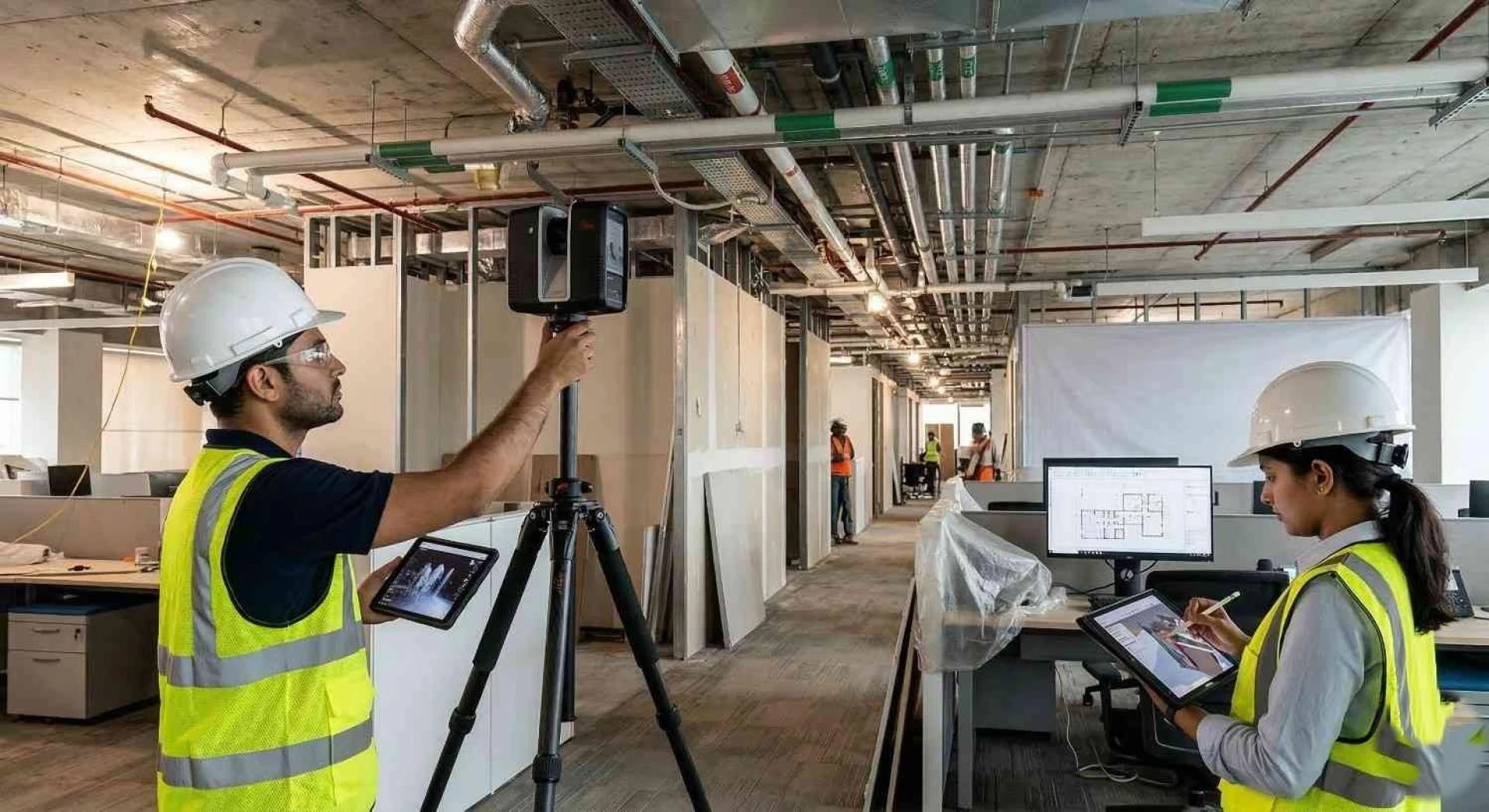

The global visualization and 3D rendering market is projected to reach $9.6 billion by 2026, driven largely by the AEC sector's hunger for immersive technology. As we navigate a hyper-competitive market, the ability to translate complex engineering data into a compelling, emotional narrative is the ultimate differentiator for modern firms.
Closing the "Interpretation Gap" with High-Fidelity Data
The fundamental "advantage of BIM over CAD" in client presentations is the elimination of ambiguity. In a traditional 2D workflow, an architect might spend hours explaining a complex section detail; in an immersive BIM environment, the client simply "walks" through it.
- Real-Time Design Iteration: Using BIM-integrated tools like Enscape or Twinmotion, design teams can change materials, adjust window placements, or alter lighting in front of the client. This reduces the "feedback loop" from weeks to minutes.
- Spatial Literacy: Research suggests that non-technical stakeholders struggle to translate 2D plans into 3D volumes. BIM provides instant spatial context, leading to a 30% increase in client approval speeds according to recent industry benchmarks.
Beyond Aesthetics: Visualizing the "Invisible"
Immersive BIM isn't just a "pretty picture" it is an educational tool that brings technical complexities to the surface.
- Lighting and Solar Studies: By geolocating the BIM model, we can show a client exactly where the sun will hit their desk at 10:00 AM on the winter solstice. This data-backed visualization builds trust that "flat" drawings simply cannot match.
- Acoustic and Thermal Simulation: Advanced immersive environments can now simulate how sound travels through a lobby or how a "green wall" impacts air quality. We are moving from "look at this" to "feel this."
Stakeholder Alignment: Building Consensus Early
For large-scale infrastructure or commercial projects, the "client" is often a board of directors or a public committee. Immersive 3D BIM acts as a universal language.
- For Developers: It’s a marketing powerhouse, allowing for pre-leasing or pre-sales using virtual show-flats.
- For Public Officials: It provides a "community-eye view," showing exactly how a new stadium or bridge will impact the existing skyline, effectively reducing public opposition and planning delays.
Actionable Takeaways for AEC Leaders
- Incorporate "VR Readiness" into Workflows: Don't treat VR as a final export. Use immersive headsets during internal design reviews at LOD 200 to catch spatial errors early.
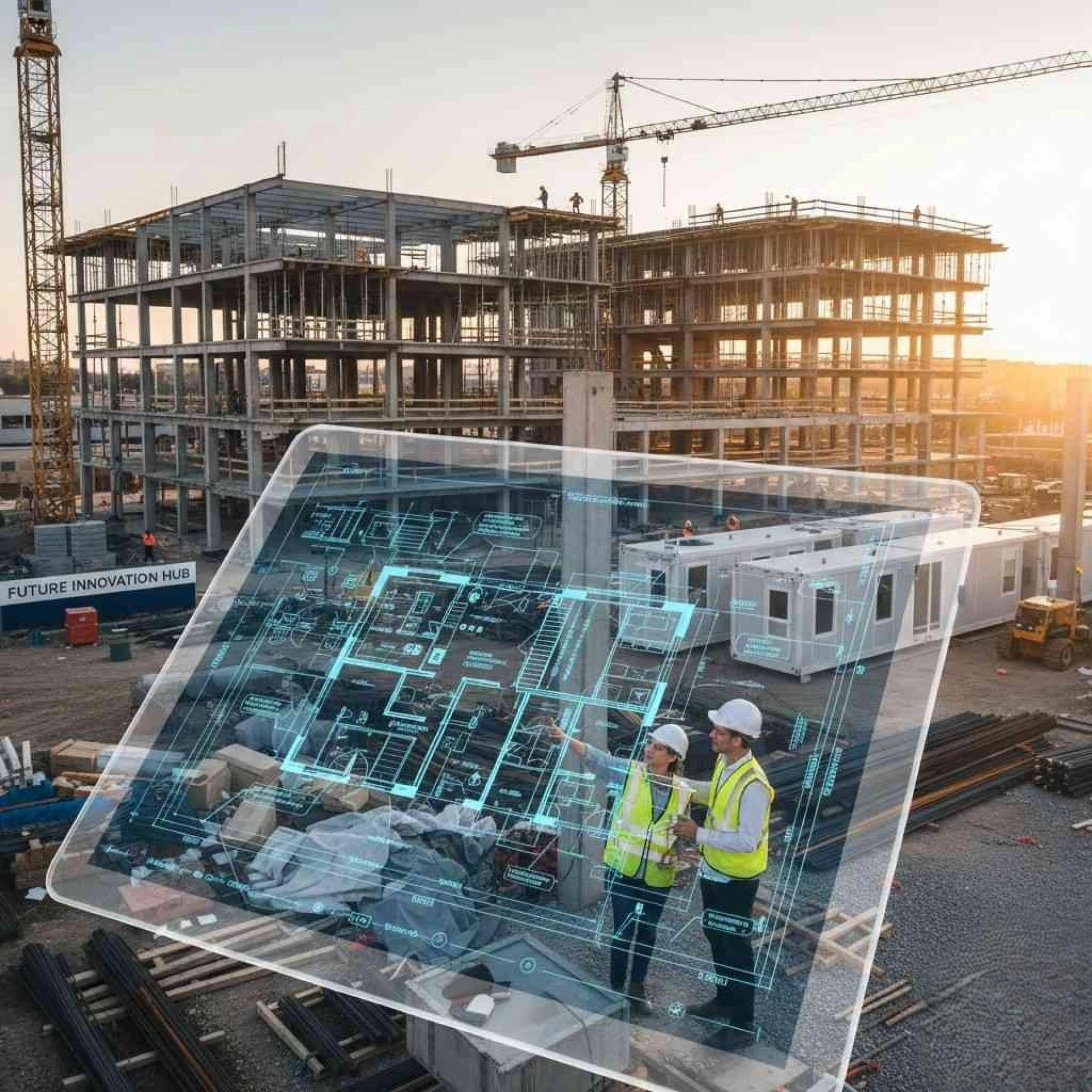
- Leverage Cloud Collaboration: Use platforms like Autodesk Tandem or BIM 360 to share interactive models with clients, allowing them to explore the design on their own tablets between meetings.
- Focus on the Narrative: Use the 3D model to tell a story. Instead of showing "The HVAC System," show "The System That Keeps Your Employees Productive and Comfortable."




























Sign in to leave a comment.