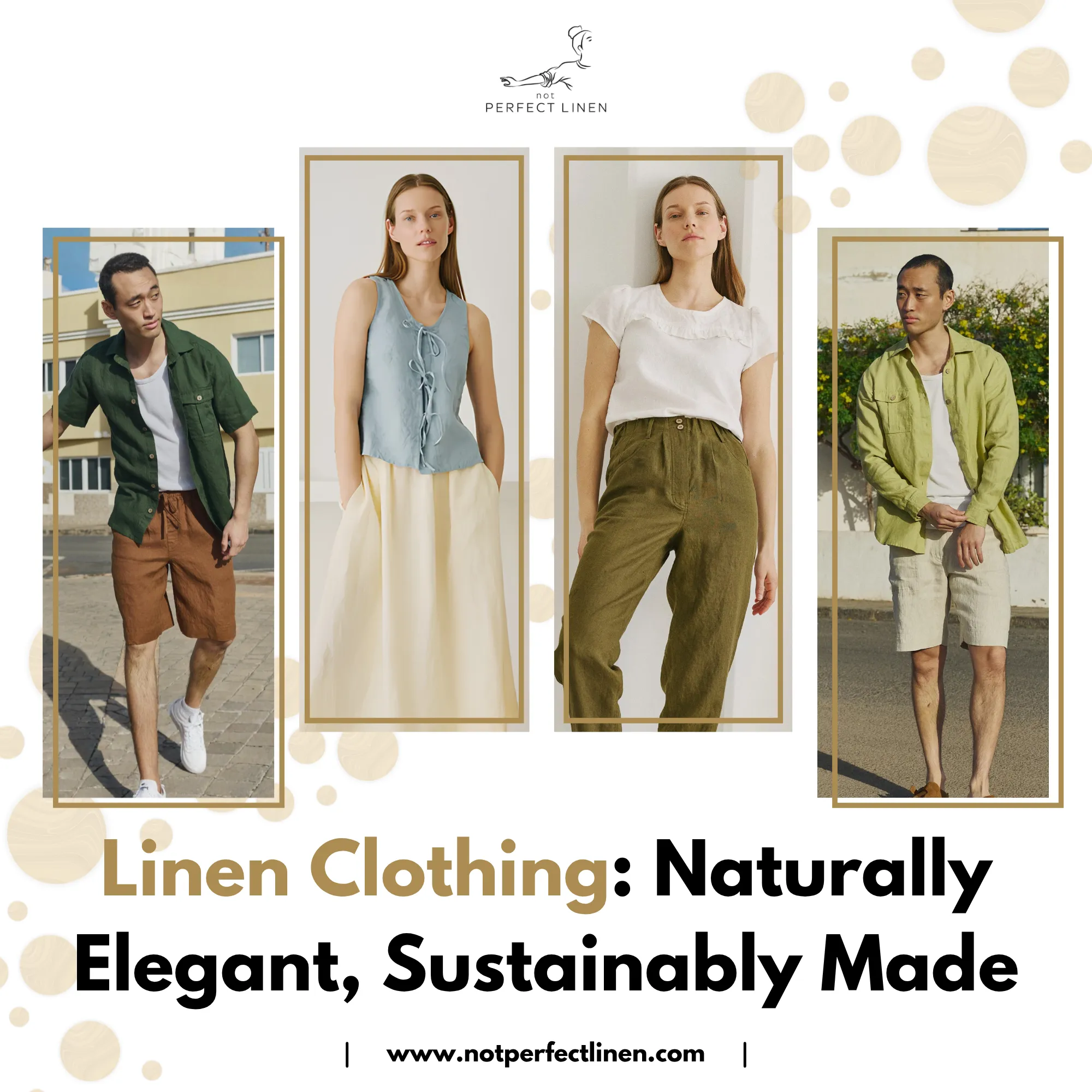

Linen has been cherished for centuries for its natural beauty, durability, and breathability. Today, as more people seek sustainable fashion choices, linen clothing is making a strong comeback. From its humble beginnings as flax plants to becoming elegant garments like linen jumpsuits, linen tells a story rooted in nature, craftsmanship, and environmental responsibility.
The Journey Begins: Flax Cultivation
Linen starts its life as flax, a resilient plant that thrives in cooler climates with minimal need for fertilizers or pesticides. Unlike cotton, flax requires significantly less water, making it a more eco-conscious crop. Every part of the plant is used, which means almost zero waste during harvesting.
Farmers typically grow flax in regions like Europe, where natural rainfall supports its growth. This reduces the environmental impact and keeps the production process aligned with sustainable practices.
From Plant to Fiber
Once harvested, flax undergoes a process called retting. During this stage, the plant stalks are softened to separate the fibers from the woody core. Traditionally, retting is done using natural moisture like dew or water, further minimizing chemical use.
After retting, the fibers are extracted, combed, and spun into yarn. These yarns are then woven into linen fabric. The entire process reflects a balance between tradition and eco-friendly innovation, preserving the integrity of the material.
Crafting Linen Fabric
The weaving of linen fabric requires skill and patience. The fibers are naturally thicker and less elastic than cotton, which gives linen its signature texture and strength. This is why linen clothing often has a slightly crisp feel at first, softening beautifully over time with every wash.
The durability of linen is one of its standout qualities. Garments made from linen can last for years, even decades, reducing the need for frequent replacements and supporting slow fashion principles.
Why Linen Clothing is Eco-Friendly
Linen is widely recognized as one of the most sustainable textiles available today. Here’s why:
1. Low Water Consumption
Flax requires far less water compared to other crops like cotton. This makes linen a more responsible choice in regions facing water scarcity.
2. Biodegradable and Natural
Linen is made from natural fibers, which means it is completely biodegradable. When disposed of, it returns to the earth without leaving harmful residues.
3. Minimal Chemical Use
The cultivation and processing of flax typically involve fewer chemicals, reducing pollution and protecting ecosystems.
4. Long-Lasting Fabric
Because linen is incredibly durable, it reduces waste by lasting longer than many synthetic fabrics.
Linen in Modern Fashion
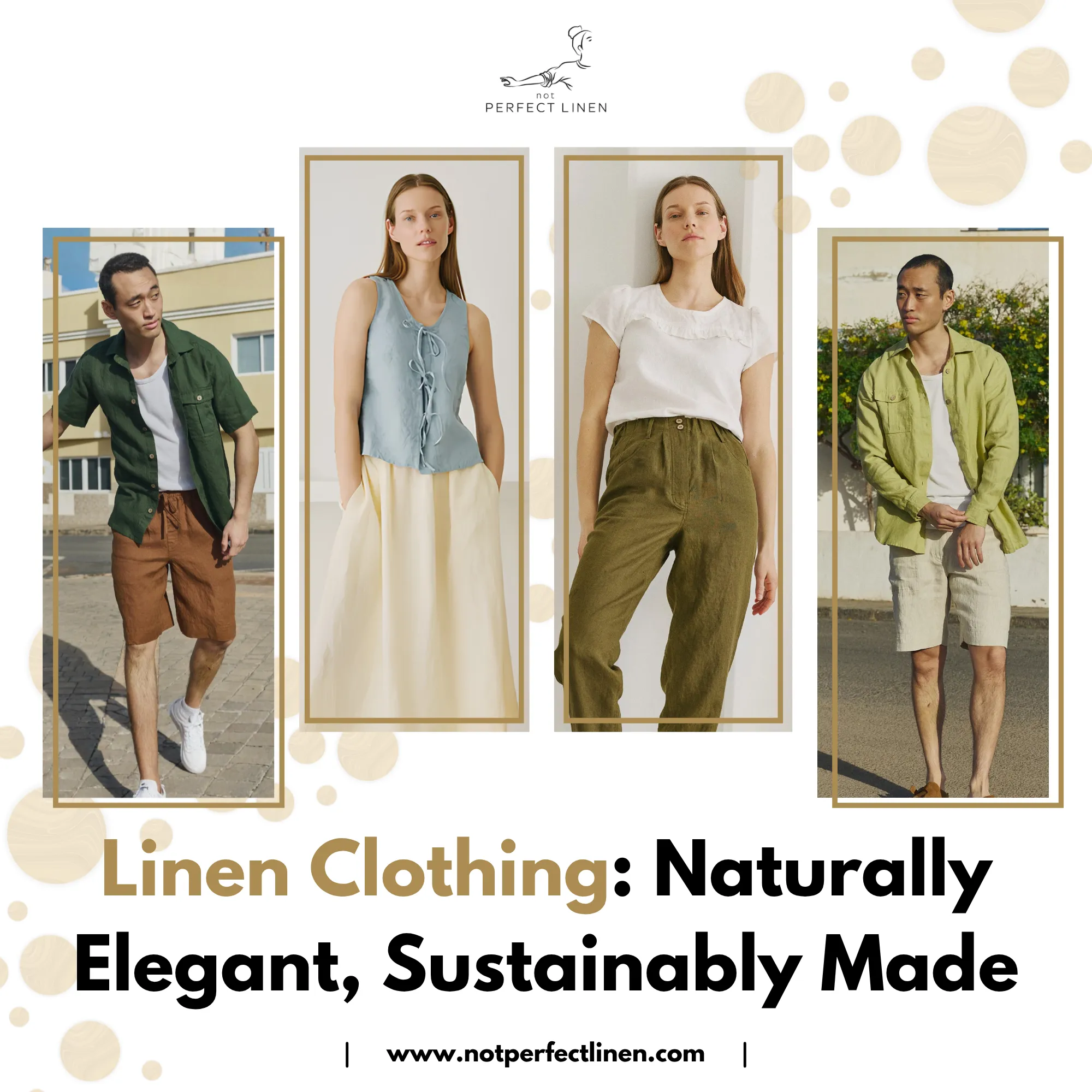
Linen has evolved from traditional garments into modern, stylish pieces that suit contemporary lifestyles. Designers are embracing linen for its versatility and timeless appeal.
One of the most popular trends today is linen jumpsuits. These pieces combine comfort with effortless style, making them ideal for both casual outings and semi-formal occasions. The breathable nature of linen makes it especially perfect for warm climates, allowing you to stay cool while looking polished.
From shirts and dresses to trousers and jumpsuits, linen adapts beautifully to different styles. Its natural texture adds a unique charm that synthetic fabrics simply cannot replicate.
Comfort Meets Style
Apart from sustainability, linen offers unmatched comfort. It is highly breathable and moisture-wicking, which makes it ideal for hot and humid weather. Linen allows air to circulate freely, preventing overheating and keeping you fresh throughout the day.
Another benefit is its hypoallergenic nature. Linen is gentle on the skin and suitable for people with sensitive skin or allergies. Over time, linen becomes softer, making it even more comfortable with repeated use.
Supporting Sustainable Fashion
Choosing linen clothing is more than a style decision—it’s a conscious step toward sustainable living. By investing in high-quality linen garments, you contribute to reducing environmental impact and supporting ethical production practices.
Brands like not PERFECT LINEN are leading the way by offering thoughtfully designed linen pieces that prioritize sustainability, comfort, and timeless fashion. Their collections reflect the beauty of slow fashion, encouraging consumers to buy less but better.
The Future of Linen
As awareness around sustainability grows, linen is expected to play a significant role in the future of fashion. Its eco-friendly properties, combined with its durability and style, make it a preferred choice for conscious consumers worldwide.
Innovations in textile production are also making linen softer and more versatile, expanding its appeal across different markets. Whether it’s everyday wear or statement pieces like linen jumpsuits, linen continues to redefine modern fashion.
FAQs
1. Why is linen considered more sustainable than cotton?
Linen comes from flax, which requires less water, fewer pesticides, and produces minimal waste compared to cotton, making it a more environmentally friendly option.
2. Does linen clothing shrink after washing?
Linen can shrink slightly if washed in hot water or dried at high temperatures. Washing in cold or lukewarm water and air-drying helps maintain its size and shape.
3. Are linen jumpsuits suitable for all seasons?
Linen jumpsuits are perfect for warm weather due to their breathability. However, they can also be layered with jackets or sweaters for cooler seasons.
















Sign in to leave a comment.