
In our quest for a sparkling smile and healthy gums, many of us overlook a critical aspect of our oral hygiene routine—the toothpaste we use daily. However, not all toothpaste is created equal, and some contain harmful ingredients in toothpaste that could potentially affect our health in the long run. From fluoride to Sodium Lauryl Sulfate (SLS), it's essential to understand what goes into your toothpaste and how it impacts your oral and overall health.
Exploring a Few Harmful Toothpaste Ingredients
Fluoride: A Double-Edged Sword
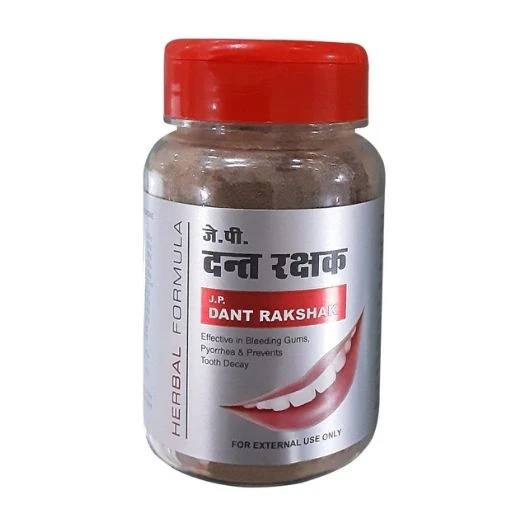
Fluoride is a mineral well-known for its cavity-fighting properties. It strengthens the enamel, making it less susceptible to decay. Despite its benefits, there's growing concern about its potential health risks. Excessive fluoride intake has been linked to dental fluorosis—a condition that causes discoloration and pitting of the teeth—and has been debated for its potential link to bone issues and other health concerns. The debate around fluoride has led many to seek out fluoride-free alternatives, such as "J.P. Dant Rakshak," which relies on natural ingredients to protect and strengthen teeth without the use of fluoride.
Sodium Lauryl Sulfate (SLS): Foaming at a Cost
SLS is a surfactant used in various personal care products to create foam and remove debris. In toothpaste, it's responsible for that satisfying lather, but it comes with a downside. SLS can irritate the mouth, particularly the delicate mucous membranes, leading to canker sores and ulcers in sensitive individuals. Additionally, its harshness can strip away the protective lining of the mouth, leaving it more vulnerable to damage and disease.
Triclosan: Antibacterial with a Side of Risks
Triclosan was once a common ingredient in antibacterial toothpaste, celebrated for its ability to fight plaque and gingivitis. However, its use has become controversial due to concerns over antibiotic resistance and potential hormonal effects. Research has suggested that triclosan can disrupt hormonal balance and may contribute to antibiotic resistance, prompting many manufacturers to phase it out of their products. However, it's still important to check labels, as not all toothpastes are triclosan-free.
Artificial Sweeteners and Colors: Unnecessary and Potentially Harmful
Many toothpastes contain artificial sweeteners, like saccharin, to improve taste, and artificial colors to make them more visually appealing. While these additives make toothpaste more palatable and attractive, they offer no benefits to oral health and, in some cases, may pose health risks. Some artificial colors have been linked to behavioral issues in children and other adverse health effects, leading consumers to seek out products without these unnecessary additives.
Propylene Glycol: A Questionable Moisturizer
Propylene glycol is a type of alcohol used as a moisture-preserving agent in many toothpastes. While it's generally recognized as safe for use in personal care products, propylene glycol can be an irritant, especially for those with sensitive skin and mucous membranes. Its inclusion in toothpaste raises questions about the necessity of potentially irritating ingredients in a product used in the sensitive environment of the mouth.
Making Safer Choices
In light of these concerns, many people are turning to natural and organic toothpaste options that avoid these harmful ingredients. Products like "J.P. Dant Rakshak" offer a blend of natural ingredients designed to clean teeth effectively without the use of fluoride, SLS, triclosan, artificial sweeteners, colors, or propylene glycol. These alternative toothpastes often incorporate herbs, essential oils, and other natural substances that have been used for centuries to maintain oral health, offering a safer and more holistic approach to dental care.
The Importance of Informed Choices
Understanding the potential impacts of the ingredients in your toothpaste is crucial for making informed decisions about your oral health care. While traditional toothpaste ingredients like fluoride have their benefits, the potential risks associated with them and other harmful ingredients in toothpaste cannot be ignored. By choosing products that avoid these controversial ingredients, you can take a more natural and potentially safer path to oral health.
The shift towards natural toothpaste options reflects a broader trend in consumer behavior, emphasizing health, wellness, and informed choices. As more people become aware of the potential issues associated with conventional toothpaste ingredients, the demand for cleaner, more transparent products like J.P. Dant Rakshak continues to grow. These products not only promise to protect and clean your teeth but also align with a holistic view of health that considers the long-term impacts of the ingredients we expose ourselves to daily.
Conclusion
The journey towards a healthy smile doesn't just involve brushing twice a day; it also requires paying attention to what's in your toothpaste. With a growing number of studies highlighting the potential risks of ingredients like fluoride, SLS, triclosan, artificial sweeteners, colors, and propylene glycol, it's more important than ever to scrutinize the products we use daily. Opting for natural toothpaste alternatives like J.P. Dant Rakshak can be a step in the right direction, offering peace of mind and a safer route to maintaining oral health. As we continue to learn more about these substances and their effects, making informed choices about our oral care products is key to not only preserving our smiles but also protecting our overall well-being.


























Sign in to leave a comment.