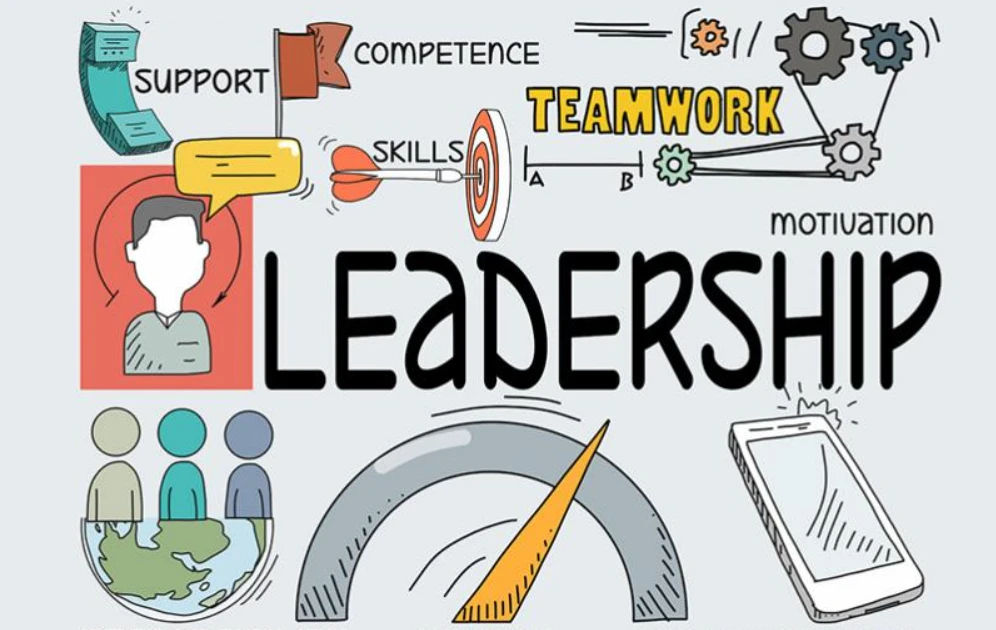

In today’s volatile business landscape, the difference between a high-performing organization and one that merely survives often hinges on a single factor: Leadership readiness. It’s not about who has the loudest voice or the highest title; it’s about ensuring that critical management roles are filled by individuals who are not just competent administrators, but prepared, adaptive leaders.
The classic trap many companies fall into is promoting great technical experts or efficient managers without truly assessing their capacity for leadership. This results in stalled teams, poor strategic execution, and high turnover. True leadership readiness requires a fundamental shift in skill set and mindset, moving beyond transactional management to transformative guidance.
The Gap between Managing and Leading
A manager focuses on tasks, processes, and short-term efficiency. They measure, control, and execute. A leader focuses on people, vision, and long-term influence. They inspire, coach, and innovate.
The transition requires intentional development, especially for those in the middle tier who need management development training. If your organization is struggling with succession planning or retaining top talent, the issue may not be the talent itself, but a failure to cultivate leadership competencies effectively.
Here are the critical dimensions of leadership readiness that determine success in senior management roles:
1. Strategic Foresight, Not Just Project Planning
A ready leader must be able to lift their gaze beyond the current quarter. They must cultivate strategic foresight—the ability to anticipate market shifts, competitive moves, and technological disruptions. While a manager ensures the current project budget stays green, a leader questions whether the project is still the right strategic move for the business's long-term health. Programs focusing on management development training must shift from operational metrics to future-casting and risk assessment.
2. Emotional and Situational Agility
The modern workplace demands leaders who can handle ambiguity and high-pressure situations without fracturing their teams. This speaks directly to situational leadership, a key component of readiness. A prepared leader can pivot their style—from directive to supportive—based on the maturity and needs of the individual employee and the situation at hand.3 Furthermore, high emotional intelligence (EQ) allows them to navigate conflicts, provide difficult feedback, and create an inclusive environment where diverse knowledge workers feel valued.
3. Cultivating the Next Generation of Talent
One of the most profound markers of leadership readiness is a commitment to building a sustainable talent pipeline. Leaders aren't hoarders of knowledge or power; they are multipliers. They actively engage in mentoring and coaching, seeing it as a core responsibility, not an optional task.
For organizations looking to future-proof, embedding this succession planning mindset into every senior role is non-negotiable. If a manager leaves, the team loses an executor; if a leader leaves, the team continues to grow because the leader built capacity, not dependency.
The Roadmap to Accelerating Leadership Readiness
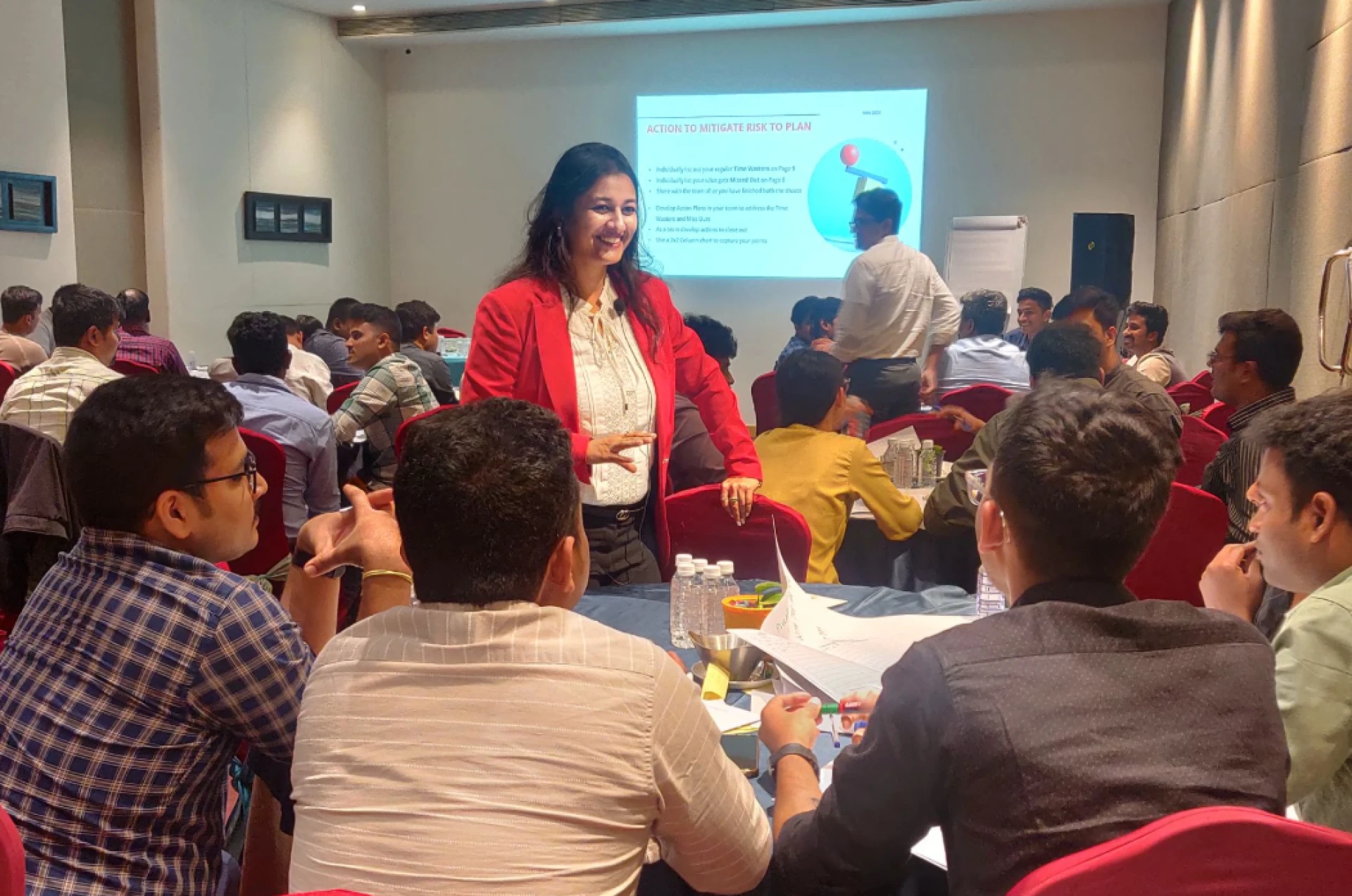
Building a culture of readiness is not a one-time event; it's a continuous investment. Companies can accelerate this process through structured programs focused on leadership competencies:
- 360-Degree Assessments: Use tools that go beyond performance reviews to evaluate soft skills, strategic thinking, and emotional intelligence. This helps identify the actual leadership readiness gaps.
- Cross-Functional Projects: Assign high-potential managers to projects outside their direct function (e.g., an IT manager leading a marketing integration project). This forces them to develop new perspectives and influence peers without direct authority, crucial for future management roles.
- Dedicated Coaching and Mentoring: Pair emerging leaders with seasoned executives who can provide real-world insights into strategic decision-making and navigating complex political landscapes. This is far more effective than generic management development training.
FAQs on Leadership Readiness
What is the biggest roadblock to developing leadership readiness?
The biggest barrier is focusing solely on performance rather than potential. A high-performer might be a poor fit for a management role if they lack empathy or strategic vision. The assessment needs to shift to long-term
How long does it take to become "ready" for leadership?
There is no fixed timeline, but it typically requires 3-5 years of dedicated development, including experience leading complex projects, receiving formal management development training, and successfully coaching others.
Is it possible to measure leadership readiness?
Yes. While subjective, readiness can be quantified through structured behavior assessments, tracking participation in strategic initiatives, and measuring the retention/success rate of team members coached by the individual. Succession planning models often use readiness scores.
The Call to Action
The future of your organization rests not on the talent you hire, but on the talent you develop. Organizations that integrate genuine leadership readiness assessments into their promotion process will outperform those that rely on seniority or technical skill alone.
Leadership readiness is your competitive advantage. It's the assurance that when the next major challenge hits, the person in the management role will not just manage the crisis but lead the team through it, emerging stronger.
What specific leadership competency do you believe is most lacking in middle management today? Share your thoughts and strategies in the comments below!






























Sign in to leave a comment.