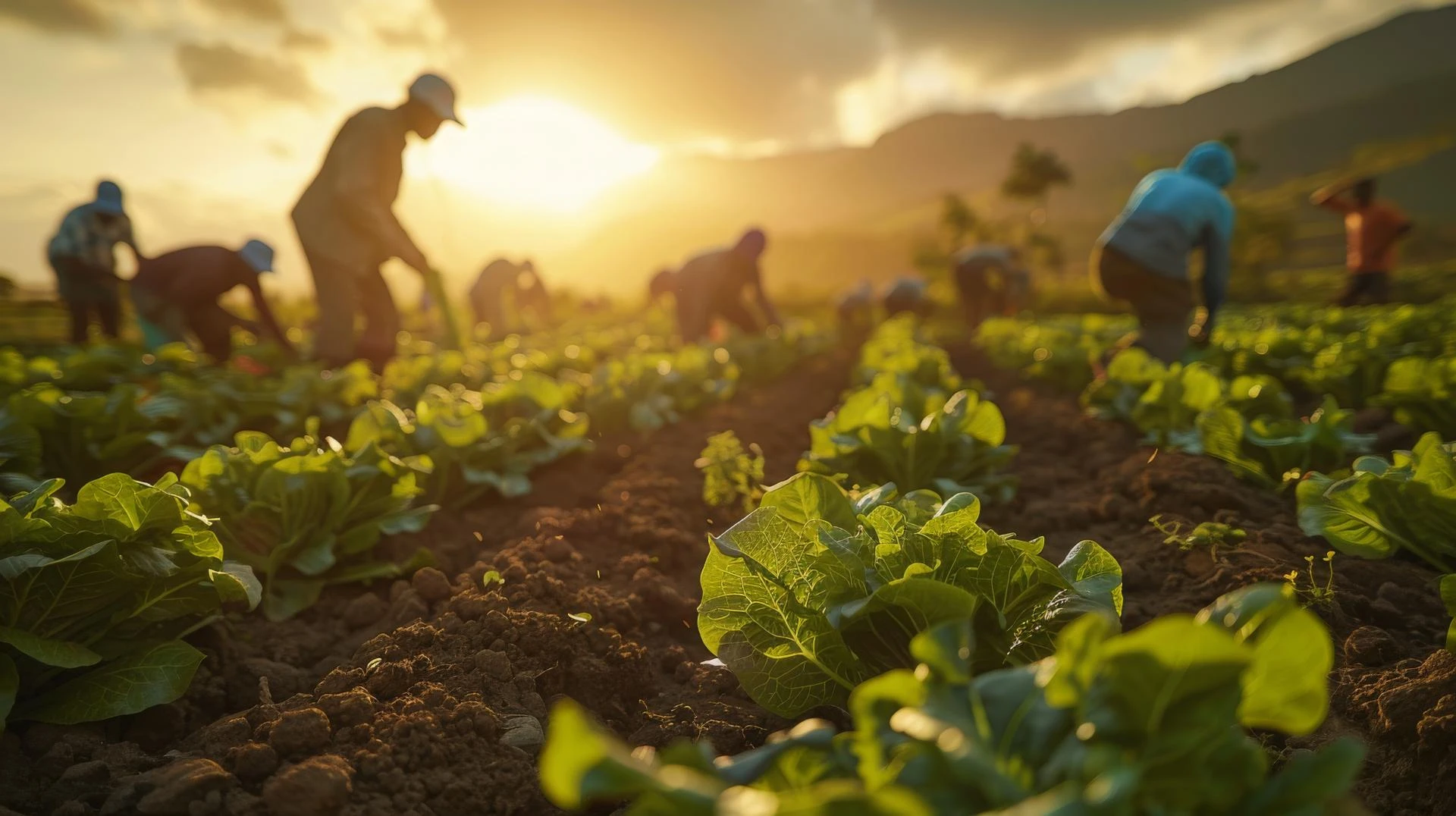
In recent years, more people across the United States have begun paying closer attention to where their food comes from. This shift is especially noticeable when it comes to meat and produce, as consumers seek greater transparency, healthier options, and farming practices that respect both animals and the environment. At the center of this movement is the growing interest in the organic farm model and the principles of sustainable agriculture, particularly in regions like Upstate New York.
Upstate New York has long been known for its fertile land, diverse landscapes, and strong agricultural heritage. These characteristics make it an ideal setting for farms that prioritize responsible land management and locally focused food systems. For many households, choosing locally raised meat is no longer just a preference—it has become a way to reconnect with food sources and support farming practices that align with long-term environmental health.
Understanding the Organic Farm Approach
An organic farm is often defined by its commitment to natural processes, minimal chemical intervention, and respect for ecological balance. While certification standards can vary, the underlying philosophy remains consistent: working with nature rather than against it. This approach often includes pasture-based livestock systems, soil regeneration practices, and careful land stewardship.
For consumers, organic farming offers reassurance. It provides a clearer picture of how food is produced and encourages farming methods that reduce environmental strain. When people choose products from an organic farm, they are often supporting systems that prioritize soil health, water conservation, and biodiversity.
In Upstate New York, organic farms play a vital role in maintaining rural landscapes and supporting regional food security. These farms tend to operate on a scale that allows for greater transparency and accountability, which many modern consumers value.
The Principles of Sustainable Agriculture
Sustainable agriculture extends beyond organic certification. It represents a broader commitment to farming in a way that can be maintained over generations. This means balancing productivity with environmental care, economic viability, and social responsibility.
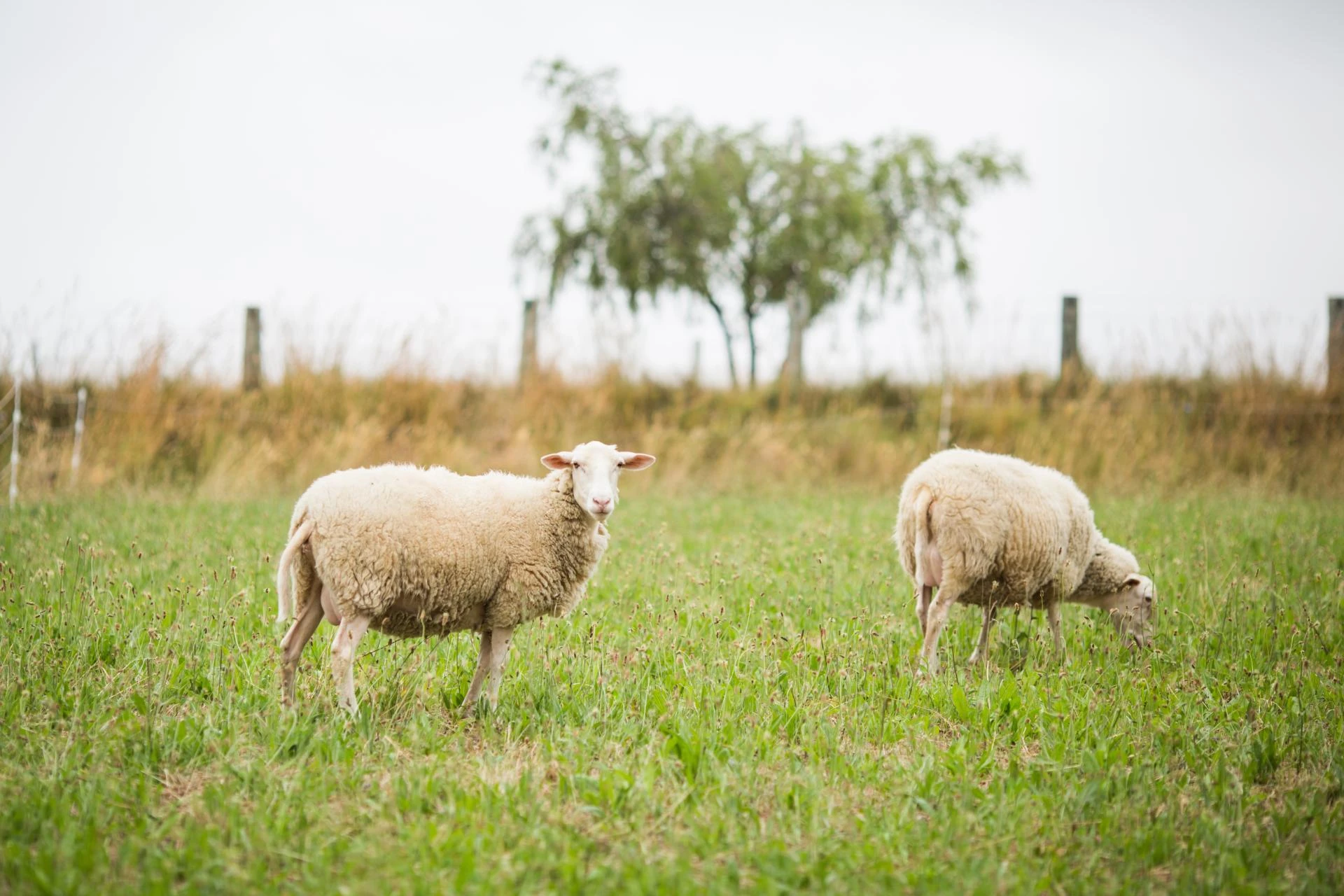
Key principles of sustainable agriculture include responsible land use, humane animal treatment, efficient resource management, and reduced reliance on synthetic inputs. Livestock raised under these systems often graze on open pasture, contributing to natural soil fertilization and healthier ecosystems.
For a farm upstate NY, sustainability also means adapting to local conditions. Seasonal changes, soil composition, and regional climate all influence farming decisions. By working within these natural limits, farms can produce food in a way that supports long-term resilience rather than short-term output.
Why Locally Raised Meat Matters
Locally raised meat has become an important part of the sustainable food conversation. Unlike industrial supply chains that can span thousands of miles, local meat production keeps food closer to its source. This shorter journey often results in fresher products and reduced environmental impact.
Choosing locally raised meat also allows consumers to ask questions and seek clarity about farming practices. Many people want to know how animals are fed, how land is managed, and how farms contribute to their surrounding communities. Local farms are often more accessible in this regard, offering a level of transparency that large-scale operations cannot easily provide.
In Upstate New York, local meat production supports regional economies and preserves agricultural knowledge. It also strengthens connections between farmers and consumers, creating a more informed and engaged food system.
The Role of Geography in Upstate New York Farming
Geography plays a crucial role in shaping agricultural practices. Upstate New York’s rolling hills, open pastures, and seasonal climate make it particularly suitable for pasture-based livestock farming. These conditions encourage grazing systems that align well with sustainable agriculture principles.
A farm upstate NY often benefits from natural pasture rotation, which helps maintain soil health and reduces the need for artificial fertilizers. Seasonal weather patterns also influence how animals are raised and how land is managed throughout the year.
For consumers, this regional specificity adds value. Food produced in harmony with its environment tends to reflect thoughtful planning and responsible decision-making. It also highlights the importance of supporting farms that are deeply connected to their local ecosystems.
Transparency and Trust in Modern Food Systems
One of the driving forces behind the shift toward organic and local food is the desire for trust. Many people feel disconnected from industrial food systems and uncertain about production methods. Sustainable agriculture and locally focused farms help bridge this gap.
Transparency is central to building trust. Farms that openly share their practices—how animals are raised, how land is cared for, and how food is processed—offer reassurance to consumers who want to make informed choices. This openness also encourages accountability and continuous improvement within the farming community.
In the context of the United States, where food systems can be complex and opaque, smaller farms play an important role in restoring confidence. They demonstrate that food production does not have to sacrifice ethics or environmental care for efficiency.
Supporting Sustainable Farming Through Everyday Choices
Consumers play a powerful role in shaping agricultural systems. Every purchase sends a signal about what values matter. Choosing food from an organic farm, supporting sustainable agriculture, and prioritizing locally raised meat all contribute to a food system that rewards responsible practices.
These choices do not require perfection. Even small steps - such as learning where food comes from or choosing local options when available, can have meaningful impact. Over time, collective demand encourages more farms to adopt sustainable methods and invest in transparent operations.
Upstate New York continues to be a strong example of how regional agriculture can thrive when supported by informed consumers and responsible farming practices.
Looking Ahead: The Future of Local Food in the United States
As interest in sustainability grows, the role of local farms is likely to expand. Challenges such as climate change, supply chain disruptions, and environmental degradation highlight the need for resilient food systems. Sustainable agriculture offers practical solutions by focusing on long-term balance rather than short-term gains.
In the United States, regions like Upstate New York show how local food systems can adapt and endure. By combining traditional farming knowledge with modern sustainability principles, farms can continue to provide nutritious food while caring for the land.
The connection between organic farms and the dinner table is becoming more visible, and this awareness is reshaping how people think about food. It encourages a deeper appreciation for the work involved in farming and the importance of supporting practices that benefit both people and the planet.
Conclusion
Understanding how food moves from organic farms to local tables offers valuable insight into the importance of sustainable agriculture and locally raised meat. These systems support environmental health, strengthen communities, and give consumers greater confidence in their food choices. In regions like Upstate New York, farming continues to demonstrate that responsible agriculture can remain productive, transparent, and deeply connected to the land.
For readers interested in learning more about sustainable farming practices and locally focused food production in the United States, additional insights and farm stories can be found by visiting Ellys Acres Farm.




























Sign in to leave a comment.