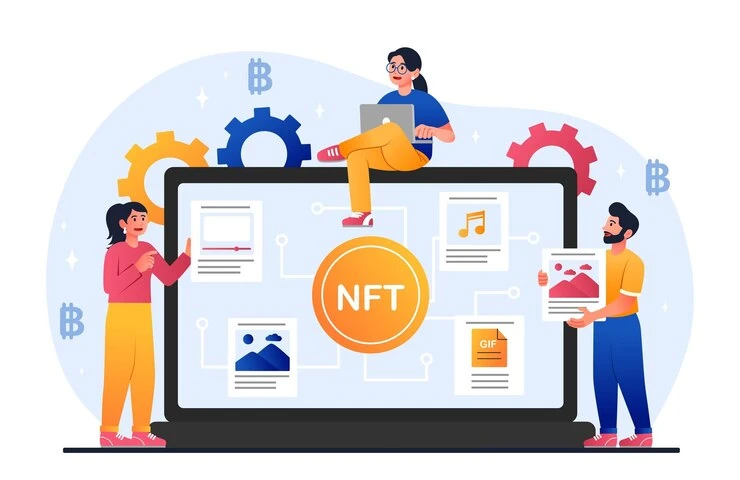

Introduction to NFTs: Understanding the Basics
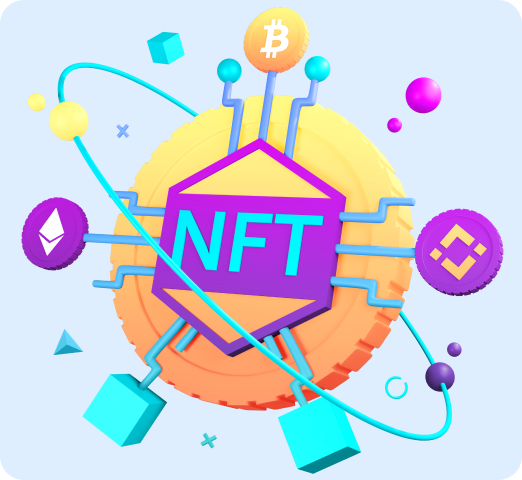
In recent years, a new phenomenon has taken the digital world by storm - Non-Fungible Tokens, or NFTs. These unique digital assets have garnered immense attention and have revolutionized the way we perceive and interact with digital content. Unlike cryptocurrencies such as Bitcoin or Ethereum, which are interchangeable and have equal value, NFTs represent one-of-a-kind items that cannot be replicated or replaced. This uniqueness is achieved through blockchain technology, which provides a secure and transparent way to verify ownership and authenticity. NFTs can range from digital artworks, collectibles, music, videos, virtual real estate, and even in-game items. The value and desirability of an NFT are determined by factors such as scarcity, artistic or historical significance, and the demand within the marketplace. As we delve deeper into the world of NFTs, we will explore the intricacies of their development, the potential for profits, and the impact they have on various industries.
The Rise of NFTs: Exploring the Digital Collectibles Market
The rise of NFTs has brought about a revolution in the world of digital collectibles, creating an entirely new market for unique and valuable digital assets. Traditionally, collectibles have been physical objects like stamps, coins, or trading cards, but NFTs have extended this concept into the digital realm. With the advent of blockchain technology, artists, creators, and collectors now have the ability to buy, sell, and trade digital items in a secure and transparent manner.
One of the key drivers behind the popularity of digital collectibles is the notion of ownership and authenticity. NFTs provide a way to establish ownership and prove the scarcity of digital items, something that was previously challenging in the digital space. This has opened up avenues for artists and creators to monetize their work directly and build a sustainable income stream. It has also created new opportunities for collectors to acquire unique digital assets and build valuable collections.
The digital collectibles market has witnessed astonishing growth, with high-profile sales and record-breaking auctions making headlines. From digital art pieces selling for millions of dollars to virtual real estate transactions reaching astonishing prices, NFTs have captivated the attention of investors, collectors, and enthusiasts alike.
Moreover, NFTs have expanded beyond the art world and have found their way into the realms of sports, music, gaming, and entertainment. Athletes are releasing limited edition NFTs, musicians are dropping exclusive albums as NFTs, and gaming companies are leveraging NFTs to create unique in-game items and experiences. This convergence of different industries has further fueled the growth and adoption of NFTs.
However, with the rapid rise of NFTs, questions regarding sustainability and market volatility have arisen. Critics argue that the current hype around NFTs might be a bubble waiting to burst, while proponents believe that NFTs represent a paradigm shift in how we value and trade digital assets.
As the digital collectibles market continues to evolve, it is crucial to explore the opportunities and challenges that arise. By understanding the dynamics of this market, creators and collectors can navigate the landscape more effectively and capitalize on the potential for profits and cultural impact.
NFT Development: From Concept to Creation
NFT development encompasses the process of transforming a concept into a tangible and unique digital asset. From the initial idea to the final creation, several key steps are involved in bringing an NFT to life.
The first step in NFT development is defining the concept and determining the type of digital asset to create. This could be anything from digital artwork, music, videos, virtual real estate, or even in-game items. It is essential to brainstorm and refine the concept, ensuring it aligns with the target audience and has the potential to resonate within the NFT marketplace.
Once the concept is defined, the next step is to create the digital asset itself. This involves utilizing various tools and software depending on the type of asset being developed. For example, digital artists may use graphic design software to create visually appealing artworks, musicians may utilize music production software to compose and produce unique tracks, and game developers may employ game engines to design in-game items.
After the digital asset is created, the next crucial step is to tokenize it on a blockchain platform. Ethereum is currently the most popular blockchain for NFT development, primarily due to its support for smart contracts. A smart contract is a self-executing contract that holds the details of the NFT, including ownership information, provenance, and any associated royalties or rights. Tokenizing the digital asset involves converting it into a unique token with a distinct identifier, establishing its non-fungible nature.
To tokenize the digital asset, one must write and deploy a smart contract on the blockchain. This involves coding the necessary functions and metadata to define the characteristics and properties of the NFT. Solidity, a programming language specific to Ethereum, is commonly used for this purpose. The smart contract ensures the immutability, transparency, and security of the NFT, enabling verifiable ownership and facilitating transactions on the blockchain.
Once the smart contract is deployed, the NFT is minted, which means creating the first instance of the token. Minting typically involves calling a specific function within the smart contract and providing the required information, such as the token's name, description, and any additional attributes. The minting process generates a unique token ID and associates it with the digital asset, effectively bringing the NFT into existence.
Finally, the minted NFT can be listed for sale, showcased on NFT marketplaces, or distributed directly to collectors. NFT marketplaces provide a platform for creators to showcase their NFTs, allowing users to browse, bid on, and purchase these digital assets. When a transaction occurs, the ownership of the NFT is transferred from the seller to the buyer, recorded on the blockchain for transparency and accountability.
Throughout the entire process, it is crucial to consider factors such as intellectual property rights, licensing agreements, and legal compliance. NFT creators must be mindful of copyright and ensure they have the necessary permissions or rights to tokenize and sell the digital asset.
In summary, NFT development involves conceptualizing, creating, tokenizing, and distributing unique digital assets on a blockchain platform. By following these steps, creators can bring their ideas to life and participate in the growing world of NFTs.
Building NFT Smart Contracts: A Technical Overview
Building NFT smart contracts requires a solid understanding of blockchain technology and the programming languages commonly used to develop smart contracts. Ethereum, with its support for the ERC-721 and ERC-1155 standards, is a popular choice for NFT development. Here is a technical overview of the key aspects involved in building NFT smart contracts:
Solidity Programming Language: Solidity is the programming language used to write smart contracts on the Ethereum platform. It is similar to JavaScript and specifically designed for creating decentralized applications and smart contracts. Understanding Solidity is crucial for developing NFT smart contracts.
ERC-721 and ERC-1155 Standards: The ERC-721 and ERC-1155 standards define the specifications for non-fungible tokens on the Ethereum blockchain. ERC-721 is the standard for individual, unique tokens, while ERC-1155 is a multi-token standard that allows the creation of both fungible and non-fungible tokens. Developers can choose the appropriate standard based on their specific requirements.
Contract Structure: NFT smart contracts typically consist of several key components. These include the contract declaration, state variables to store data, events to emit information about transactions, and functions to define the contract's behavior. Developers need to define the structure and behavior of their NFTs within the smart contract.
Metadata and IPFS: NFTs often have associated metadata, such as name, description, image, and additional attributes. This metadata is typically stored off-chain, often on IPFS (InterPlanetary File System) or a centralized server. The smart contract references the metadata's IPFS URL, allowing users to access additional information about the NFT.
Token ID and Ownership: Each NFT within the smart contract is assigned a unique token ID. The token ID serves as the identifier for a specific NFT instance. The smart contract maintains ownership information, including the current owner's address and the ability to transfer ownership to another address.
Minting and Burning: Minting refers to the process of creating a new instance of an NFT. This involves calling a minting function within the smart contract, providing the necessary information such as the token ID, metadata URL, and initial owner. Burning, on the other hand, refers to the permanent removal of an NFT from circulation.
Marketplace and Trading: NFT smart contracts often include functions that facilitate trading and marketplace interactions. These functions enable users to list NFTs for sale, execute transactions, and handle the transfer of ownership between parties. Careful attention should be paid to the security and efficiency of these functions to ensure a smooth user experience.
Royalties and Secondary Sales: Some NFT smart contracts incorporate royalty mechanisms, allowing creators to earn a percentage of future sales. This involves defining royalty fees and implementing mechanisms to distribute royalties automatically whenever an NFT is resold.
It's important to thoroughly test and audit smart contracts to ensure they function as intended and are free from vulnerabilities. Developers can utilize development frameworks like Truffle or Hardhat, as well as security tools like MythX, to enhance the quality and security of their NFT smart contracts.
By understanding the technical aspects involved in Overview of NFT smart contracts, developers can create robust and reliable contracts that power the creation, ownership, and trading of non-fungible tokens on the blockchain.
Designing NFTs: Creating Unique and Valuable Digital Assets
Designing NFTs involves the process of creating unique and valuable digital assets that resonate with collectors, investors, and enthusiasts in the NFT marketplace. Here are key considerations when designing NFTs to ensure their appeal and value:
Concept and Originality: Start by developing a compelling concept for your NFT. Consider the story, theme, or idea behind the digital asset. Aim for originality and uniqueness to stand out in a crowded market. Whether it's visual art, music, videos, or other forms of digital content, ensure that your NFT has a distinct and captivating concept.
Quality and Craftsmanship: The quality of your NFT is vital in determining its value. Pay attention to details, aesthetics, and technical execution. Invest time and effort in creating high-resolution and visually stunning artwork or producing polished and professionally mastered music. Ensure that the final product reflects your dedication to craftsmanship.
Scarcity and Limited Editions: Creating a sense of scarcity can significantly increase the value of your NFT. Consider releasing limited editions of your digital asset, such as a specific number of copies or a time-limited sale. Scarcity can drive demand and exclusivity among collectors, making your NFT more desirable.
Interactive and Dynamic Elements: Explore ways to make your NFT interactive or dynamic, offering a unique and engaging user experience. This could include interactive visual elements, unlockable content, or even gamification aspects. Adding interactive features can enhance the value and appeal of your NFT.
Utility and Functionality: Consider integrating utility or functionality into your NFT. This could involve providing additional benefits or access to exclusive content or services related to the NFT. For example, an NFT representing virtual real estate could offer ownership rights within a metaverse platform or access to special events. Utility can enhance the value proposition of your NFT.
Collaboration and Cross-Disciplinary Approaches: Collaborate with other artists, creators, or influencers to bring unique perspectives and diverse audiences to your NFT. Cross-disciplinary collaborations can combine different art forms, styles, or genres, resulting in innovative and boundary-pushing creations. Collaborations can also expand your reach and exposure in the NFT community.
Storytelling and Narrative: Develop a compelling narrative or backstory around your NFT. Storytelling adds depth and emotional connection to your digital asset, allowing collectors to engage with it on a more profound level. Share the inspiration, process, or meaning behind your NFT to create a captivating story that resonates with the audience.
Community Engagement and Feedback: Involve your audience and community in the design process. Seek feedback, conduct polls, or engage in discussions to understand what elements, themes, or features resonate with them. By incorporating community input, you can create NFTs that align with the preferences and desires of your target audience.
Remember to protect your intellectual property rights and ensure compliance with relevant regulations when designing NFTs. Consider using digital signatures, watermarks, or other measures to safeguard the authenticity and ownership of your digital assets.
By focusing on concept, quality, scarcity, interactivity, utility, collaboration, storytelling, and community engagement, you can create NFTs that are not only visually appealing but also possess unique value propositions, ultimately attracting collectors and driving the success of your digital creations.
NFT Marketplaces: Where to Buy, Sell, and Trade Non-Fungible Tokens
NFT marketplaces have emerged as the primary platforms for buying, selling, and trading non-fungible tokens. These marketplaces provide a space where creators can showcase their NFTs and collectors can discover and purchase digital assets. Here are some popular NFT marketplaces:
OpenSea: OpenSea is one of the largest and most well-known NFT marketplaces. It supports a wide range of NFT categories, including art, collectibles, virtual land, and more. OpenSea operates on the Ethereum blockchain, and users can buy, sell, and trade NFTs using Ether (ETH).
Rarible: Rarible is an Ethereum-based NFT marketplace that allows creators to mint and sell their own NFTs. It offers customizable features and provides a platform for artists and creators to engage with their audience. Rarible also has a governance token, RARI, which allows token holders to participate in platform decisions.
SuperRare: SuperRare is a curated marketplace focusing on digital art NFTs. It emphasizes high-quality, limited-edition artworks from a select group of artists. Each artwork on SuperRare is unique and comes with a digital certificate of authenticity. SuperRare operates on the Ethereum blockchain.
NBA Top Shot: NBA Top Shot is a marketplace for officially licensed NBA collectible moments. These moments are short video highlights from NBA games transformed into NFTs. NBA Top Shot has gained significant popularity among sports fans and collectors due to its association with the National Basketball Association.
Binance Marketplace: Binance, one of the largest cryptocurrency exchanges, has launched its own NFT marketplace. Binance NFT offers a variety of digital art, collectibles, and exclusive content from various creators and brands. It operates on the Binance Smart Chain (BSC) and supports both BNB (Binance Coin) and BUSD (Binance USD) as trading currencies.
Foundation: Foundation is an invite-only NFT marketplace focused on digital art and design. It showcases curated collections of digital artworks and provides a platform for artists to exhibit and sell their creations. Foundation operates on the Ethereum blockchain.
Nifty Gateway: Nifty Gateway is a platform specializing in digital art and collectibles. It offers limited-edition releases from renowned artists and brands, aiming to bridge the gap between traditional collectors and the digital art world. Nifty Gateway supports both Ethereum and credit card payments.
Mintable: Mintable is an NFT marketplace that allows creators to mint, buy, sell, and trade NFTs. It offers an easy-to-use interface and supports various blockchains, including Ethereum, Polygon, and Binance Smart Chain. Mintable also provides tools for creators to customize and manage their NFT collections.
These are just a few examples of NFT marketplaces, and the NFT ecosystem continues to evolve rapidly, with new platforms emerging regularly. It's important to research and choose a marketplace that aligns with your specific needs, whether you're a creator looking to sell NFTs or a collector searching for unique digital assets.
The Business of NFTs: Monetizing Your Digital Creations
The advent of NFTs has opened up new opportunities for creators to monetize their digital creations. Here are some ways to effectively monetize your NFTs and navigate the business aspect of the NFT ecosystem:
Minting and Selling NFTs: Minting and selling NFTs is the primary way to monetize your digital creations. Minting involves tokenizing your artwork, music, or other digital content and creating unique tokens on the blockchain. You can then list these NFTs for sale on various marketplaces, setting your desired price or auction format. When a collector purchases your NFT, you receive the payment in cryptocurrency, typically Ether (ETH).
Limited Editions and Exclusivity: Creating limited editions or exclusive versions of your NFTs can increase their desirability and value. Consider releasing a limited number of copies or offering exclusive perks or bonuses to buyers. By emphasizing scarcity and exclusivity, you can create a sense of urgency and drive up demand for your digital creations.
Royalties and Secondary Sales: Incorporating royalty mechanisms into your NFTs allows you to earn a percentage of future sales whenever your NFT is resold. Smart contracts can be programmed to automatically distribute royalties to you as the creator. This way, you can continue to generate income as your NFT gains value and changes hands in the secondary market.
Tokenized Access and Membership: Tokenizing access to exclusive content, services, or experiences can provide additional revenue streams. For example, you can offer token holders special privileges, early access to new releases, or VIP benefits. By creating a tokenized membership system, you can build a loyal community and generate recurring revenue from your audience.
Collaborations and Partnerships: Collaborating with other artists, brands, or influencers can expand your reach and open up new monetization opportunities. Jointly creating and releasing NFT collections, hosting co-branded events, or cross-promoting each other's work can help attract a broader audience and increase the value of your NFTs.
Licensing and Commercial Use: Explore licensing opportunities for your NFTs, allowing your digital creations to be used in commercial projects, such as advertisements, publications, or merchandise. By licensing your NFTs for commercial use, you can generate additional income and extend the reach of your work.
Tokenized Intellectual Property: Consider tokenizing the intellectual property rights associated with your NFTs. This allows you to retain ownership and control over the usage, reproduction, and distribution of your digital creations. Tokenizing IP rights can provide you with more flexibility in licensing, collaborations, and protecting the value of your NFTs.
Engaging with Your Community: Building and nurturing a community around your NFTs is essential for long-term success. Engage with your collectors and supporters through social media, newsletters, or exclusive events. Offer perks, behind-the-scenes content, or direct interactions to create a sense of belonging and strengthen your relationship with your audience.
It's important to understand the legal and regulatory implications of monetizing NFTs, especially regarding intellectual property, taxation, and compliance with local laws. Seeking professional advice or consulting with experts in the field can help you navigate these aspects effectively.
By implementing a combination of these monetization strategies and adapting to the evolving NFT landscape, you can maximize the potential of your digital creations and build a sustainable business around NFTs.
NFT Art: Transforming the Art World through Blockchain Technology
NFT art has emerged as a transformative force in the art world, leveraging blockchain technology to revolutionize the creation, ownership, and distribution of digital artwork. Here are some key ways in which NFTs are transforming the art world:
Authenticity and Ownership: One of the significant challenges in the digital art realm has been proving authenticity and establishing ownership. NFTs solve this problem by providing a unique digital certificate of authenticity and ownership that is stored on the blockchain. Artists can now verify the authenticity of their work, and collectors can have provable ownership of the digital art they purchase.
Empowering Artists: NFTs have created new opportunities for artists to showcase and monetize their work directly, bypassing traditional gatekeepers such as galleries or auction houses. Artists can mint their artwork as NFTs and sell them on various platforms, giving them greater control over their creations and enabling them to reach a global audience.
Royalties and Secondary Sales: NFTs allow artists to earn royalties from secondary sales of their artwork. Through smart contracts, artists can specify a percentage of the sale price they receive whenever their NFT is resold. This provides a sustainable revenue stream for artists, even as the value of their artwork increases over time.
Artistic Expression and Experimentation: NFTs have opened up new possibilities for artistic expression and experimentation. Digital artists can leverage interactive elements, animation, sound, and other multimedia components to create immersive and dynamic experiences within their NFT artwork. The digital medium provides flexibility for artists to explore innovative techniques and push boundaries.
Global Accessibility: NFTs have made art more accessible to a global audience. With traditional art, geographical and logistical barriers can limit access. However, digital art can be easily shared and accessed from anywhere in the world. NFT marketplaces enable collectors from different countries to discover and purchase artwork, fostering a more inclusive and diverse art ecosystem.
Disrupting the Art Market: NFTs have disrupted the traditional art market by challenging the established norms and intermediaries. Artists can sell their work directly to collectors, eliminating the need for galleries or auction houses. This decentralized approach allows for more transparency, fairer compensation for artists, and a broader range of art to be recognized and valued.
Collaboration and Community Building: NFTs have facilitated collaborations between artists, creating new forms of collective art and cross-disciplinary projects. Artists can collaborate on a single artwork or release joint NFT collections, combining their skills and fan bases. Additionally, NFT communities are forming around specific artists or collections, fostering a sense of belonging and supporting the growth of the digital art ecosystem.
Preservation and Ownership History: Blockchain technology ensures the permanent record and traceability of NFT ownership history. This feature helps in preserving the provenance and historical data associated with digital art. It also helps in combating fraud and protecting the value of artwork by providing a transparent and immutable ownership trail.
While NFT art has brought significant advancements, challenges such as environmental concerns related to blockchain energy consumption and the need for increased awareness and education about NFTs still exist. However, with continued innovation and responsible adoption, NFTs have the potential to reshape the art world, empowering artists, and creating new opportunities for artistic expression and ownership in the digital era.
The Role of Blockchain in NFT Development: Exploring Ethereum and Other Platforms
Blockchain technology plays a pivotal role in the development of NFTs, providing the foundation for their authenticity, security, and decentralized nature. Ethereum, the most prominent blockchain platform for NFTs, has been instrumental in driving the growth and adoption of non-fungible tokens. However, other blockchain platforms have also emerged as viable alternatives for NFT development. Let's explore the role of blockchain in NFT development, focusing on Ethereum and other platforms:
Ethereum: Ethereum is the most widely used blockchain platform for NFT development. It introduced the ERC-721 and ERC-1155 standards, which defined the technical specifications for creating and interacting with NFTs. Ethereum's smart contract functionality enables the creation and execution of programmable and self-executing agreements that underpin NFTs' functionality and ownership. The Ethereum ecosystem encompasses various NFT marketplaces, wallets, and development tools, making it a popular choice for artists, collectors, and developers.
Smart Contracts: Smart contracts are self-executing agreements that facilitate the creation and management of NFTs on the blockchain. They contain the logic and rules governing the behavior and properties of NFTs, including ownership, transfers, royalties, and interactions. Smart contracts ensure transparency, immutability, and trust in the NFT ecosystem by removing the need for intermediaries and enabling secure and automated transactions.
Interoperability: Blockchain platforms like Ethereum enable interoperability, allowing NFTs to be exchanged and used across different applications and platforms. This interoperability unlocks possibilities for cross-platform collaborations, seamless transfers of NFTs, and broader exposure for artists and collectors. Additionally, standards like ERC-998 enable the creation of composable NFTs that can contain or represent other NFTs or fungible tokens, enhancing their functionality and versatility.
Scalability: Scalability has been a challenge for Ethereum due to its high gas fees and network congestion during peak usage. However, Ethereum is actively working on upgrading its infrastructure with initiatives like Ethereum 2.0 and layer 2 solutions, such as Optimistic Rollups and zk-rollups, to improve scalability, reduce fees, and enhance the overall user experience for NFT transactions.
Alternative Platforms: While Ethereum dominates the NFT space, other blockchain platforms have emerged as alternatives for NFT development. For example, Binance Smart Chain (BSC) offers a more cost-effective and faster alternative to Ethereum, attracting a growing number of NFT projects. Other platforms like Flow (used by NBA Top Shot), Solana, Polygon (formerly Matic Network), and Tezos also provide blockchain infrastructures for NFT development, each with its unique features, scalability solutions, and developer ecosystems.
Environmental Considerations: The environmental impact of blockchain technology, particularly in energy consumption, has raised concerns regarding NFTs. Ethereum, like many other blockchain networks, currently relies on a proof-of-work consensus mechanism that requires significant computational power. However, efforts are underway to transition Ethereum to a more energy-efficient proof-of-stake consensus mechanism, which will significantly reduce its environmental footprint.
Future Innovations: The NFT ecosystem is continuously evolving, and blockchain platforms are driving innovative advancements. New standards, protocols, and layer 2 solutions are being developed to address scalability, interoperability, and sustainability challenges. Additionally, advancements in areas like decentralized storage, decentralized identity, and cross-chain interoperability hold the potential to further enhance the functionality and utility of NFTs.
As the NFT market continues to grow, blockchain platforms will play a crucial role in shaping the development and adoption of non-fungible tokens. Ethereum's dominance as the primary platform for NFTs is being challenged by alternative platforms offering different trade-offs in terms of scalability, fees, and environmental impact.
NFTs in the Real World: NFTs beyond Digital Assets
While NFTs are commonly associated with digital assets like artwork, music, and collectibles, their potential extends beyond the digital realm. NFTs can have real-world applications and impact various industries. Here are some examples of how NFTs are being used beyond digital assets:
Real Estate and Property Ownership: NFTs can revolutionize the real estate industry by tokenizing property ownership. Physical properties can be represented as NFTs on the blockchain, allowing for fractional ownership, transparent transactions, and streamlined property transfers. This opens up opportunities for crowdfunding, increased liquidity, and easier access to real estate investments.
Intellectual Property and Licensing: NFTs can be used to tokenize intellectual property, such as patents, trademarks, and copyrights. By creating NFTs for these assets, creators and inventors can establish ownership, prove authenticity, and manage licensing and royalty payments more efficiently. NFTs provide a transparent and immutable record of ownership and licensing rights.
Supply Chain and Authenticity Verification: NFTs can be utilized to track and verify the authenticity of physical products throughout the supply chain. By attaching an NFT to a physical item, its provenance, manufacturing details, and quality can be recorded on the blockchain. This helps combat counterfeiting and enhances transparency, ensuring consumers have access to accurate information about the products they purchase.
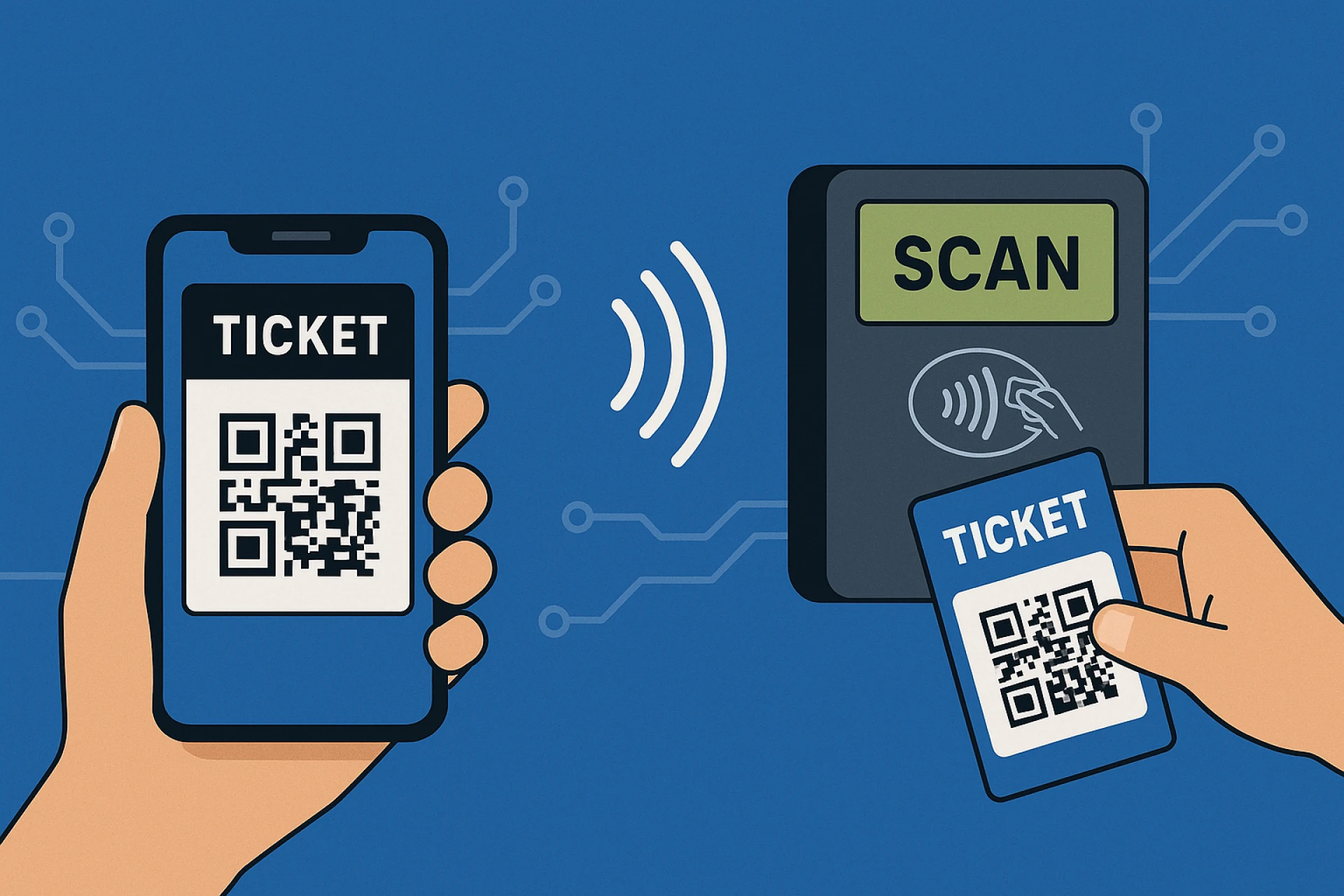
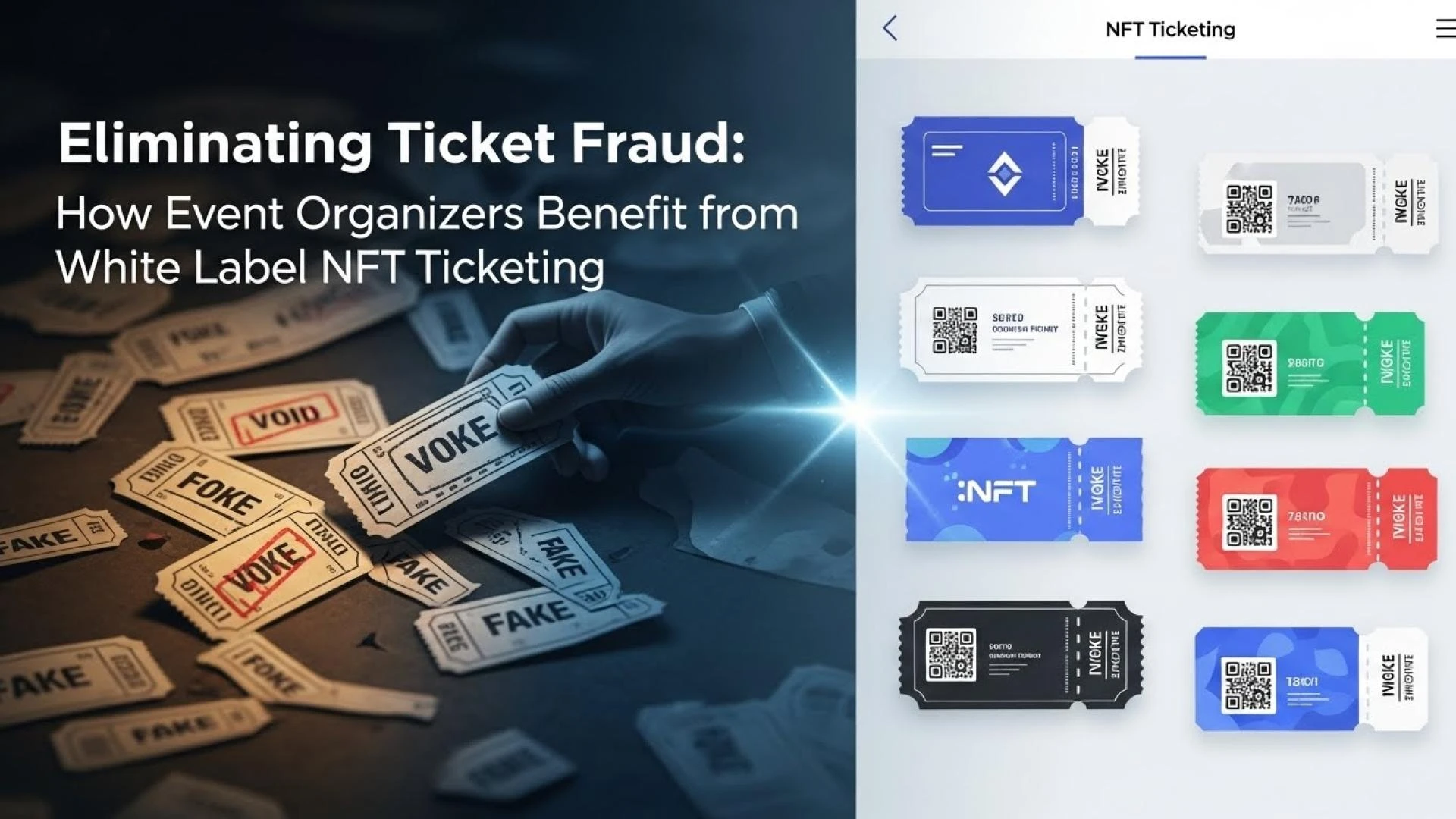
Event Tickets and Access Passes: NFTs can serve as digital event tickets or access passes. By tokenizing tickets on the blockchain, event organizers can ensure authenticity, prevent ticket scalping, and enable secure and transparent transfers of ownership. NFTs can also provide additional benefits like exclusive perks, merchandise discounts, or VIP access to enhance the event experience.
Gaming and Virtual Assets: NFTs have already made a significant impact in the gaming industry by tokenizing in-game assets and virtual items. Players can own, trade, and sell unique digital items, characters, or virtual real estate using NFTs. This introduces true ownership and interoperability between different games and virtual worlds, giving players more control and value from their gaming experiences.
Certification and Qualifications: NFTs can be used to certify and verify qualifications, degrees, and professional certifications. By tokenizing educational achievements on the blockchain, individuals can have secure and tamper-proof records of their qualifications. This improves trust and simplifies the verification process for employers and educational institutions.
Collectibles and Memorabilia: While collectibles are commonly associated with digital assets, NFTs can also be used to authenticate and tokenize physical collectibles and memorabilia. Physical items like sports memorabilia, rare stamps, or limited-edition merchandise can have associated NFTs that provide proof of authenticity, ownership history, and value.
Personal Identity and Digital Identity: NFTs can play a role in managing personal and digital identities securely. By tokenizing identity information, individuals can have control over their personal data and selectively share it with trusted entities. This empowers individuals to manage their digital presence, protect their privacy, and simplify identity verification processes.
These examples highlight the versatility of NFTs and their potential to revolutionize various industries beyond digital assets. As blockchain technology continues to advance, we can expect further innovations and real-world applications of NFTs that reshape how we interact with physical and digital assets, ownership, and trust.
Conclusion
In conclusion, NFTs have ushered in a new era of digital ownership, transforming the way we perceive and interact with assets in both the digital and physical realms. Through the use of blockchain technology, NFTs provide unique certificates of authenticity, secure ownership records, and programmable functionality that empower creators, collectors, and businesses alike.
From the rise of NFTs as digital collectibles to their application in real-world industries such as real estate, intellectual property, supply chain, and gaming, the potential of NFTs knows no bounds. These digital assets have opened up avenues for artists to monetize their creations, for collectors to acquire unique and valuable items, and for industries to innovate and streamline processes.
Blockchain platforms like Ethereum have played a vital role in the development and adoption of NFTs, providing the infrastructure and tools necessary for their creation, trading, and ownership. However, alternative platforms are also emerging, offering different solutions for scalability, fees, and environmental impact.
While NFTs have faced criticism and challenges, such as environmental concerns and the need for education and awareness, the potential for this technology to reshape industries and empower creators and collectors is undeniable. As blockchain technology continues to evolve and the NFT ecosystem matures, we can expect further advancements, innovations, and applications in the coming years.
From pixels to profits, NFTs have brought about a paradigm shift in how we perceive, value, and monetize digital and physical assets. The journey from concept to creation, from design to marketplace, and from ownership to monetization is an exciting and transformative one in the world of NFT development. As we explore this world, we witness the fusion of technology, creativity, and business, creating new opportunities, challenges, and possibilities for artists, collectors, and entrepreneurs alike.







Sign in to leave a comment.