

NFTs have become one of the most talked-about innovations in the digital economy. From digital art and gaming assets to memberships and intellectual property, NFTs are transforming how ownership works online. But while creating an NFT collection is relatively simple, building real demand is much more complex.
Many NFT projects launch successfully but struggle to maintain visibility or attract long-term communities. This is where NFT marketing becomes essential not just for promotion, but for education, trust, and ecosystem growth.
Before understanding how NFT marketing works, it’s important to first understand what NFTs actually are.
What Are NFTs? A Simple Explanation
NFT stands for Non-Fungible Token. It is a unique digital asset stored on a blockchain that represents ownership of a specific item.
Unlike cryptocurrencies such as Bitcoin or Ethereum, which are interchangeable, NFTs are unique and cannot be replaced with something identical. Each NFT has distinct properties that verify authenticity and ownership.
NFTs can represent:
- digital artwork
- collectibles
- music
- virtual real estate
- gaming assets
- memberships or access rights
- intellectual property
The blockchain records who owns the NFT, making ownership transparent and verifiable.
Why NFTs Need Marketing
Creating an NFT does not automatically create demand. The technology proves ownership but it does not create interest, community, or perceived value.
NFT markets are driven heavily by:
- storytelling
- community engagement
- perceived utility
- creator credibility
- long-term vision
Without these elements, even high-quality NFT collections struggle to gain traction.
NFT marketing exists to bridge the gap between technology and adoption.
How NFT Marketing Is Different From Traditional Marketing
Traditional marketing focuses on selling products to customers. NFT marketing focuses on building communities around digital ownership.
People don’t just buy NFTs they join ecosystems. They care about the story, the roadmap, the creator, and the future value of participation.
This means NFT marketing emphasizes:
- community building
- social engagement
- creator identity
- transparency
- long-term utility
The goal is not just sales it is sustained interest and participation.
Core Elements of Effective NFT Marketing
Community Building
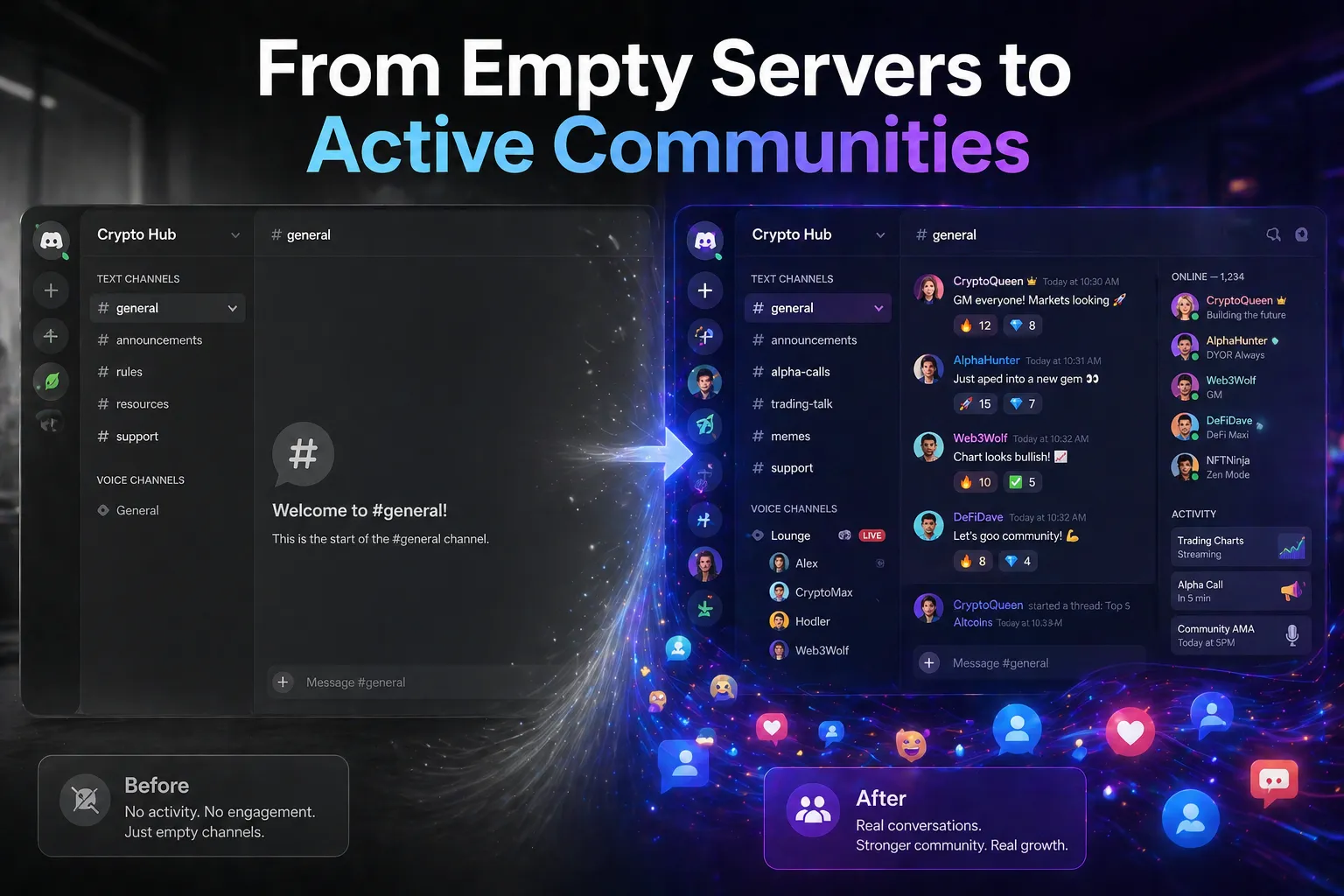
Strong NFT projects are built around engaged communities. Platforms like Discord, Telegram, and X (Twitter) become central hubs where holders interact, share ideas, and shape the project’s future.
Community trust drives long-term demand.
Storytelling and Brand Identity
NFT buyers connect with narratives. A compelling story gives meaning to ownership and differentiates projects in crowded markets.
Clear positioning, vision, and identity make a collection memorable.
Utility and Value Communication
Successful NFT projects clearly explain what holders gain whether access, rewards, governance, or exclusive experiences.
Marketing must communicate why ownership matters beyond speculation.
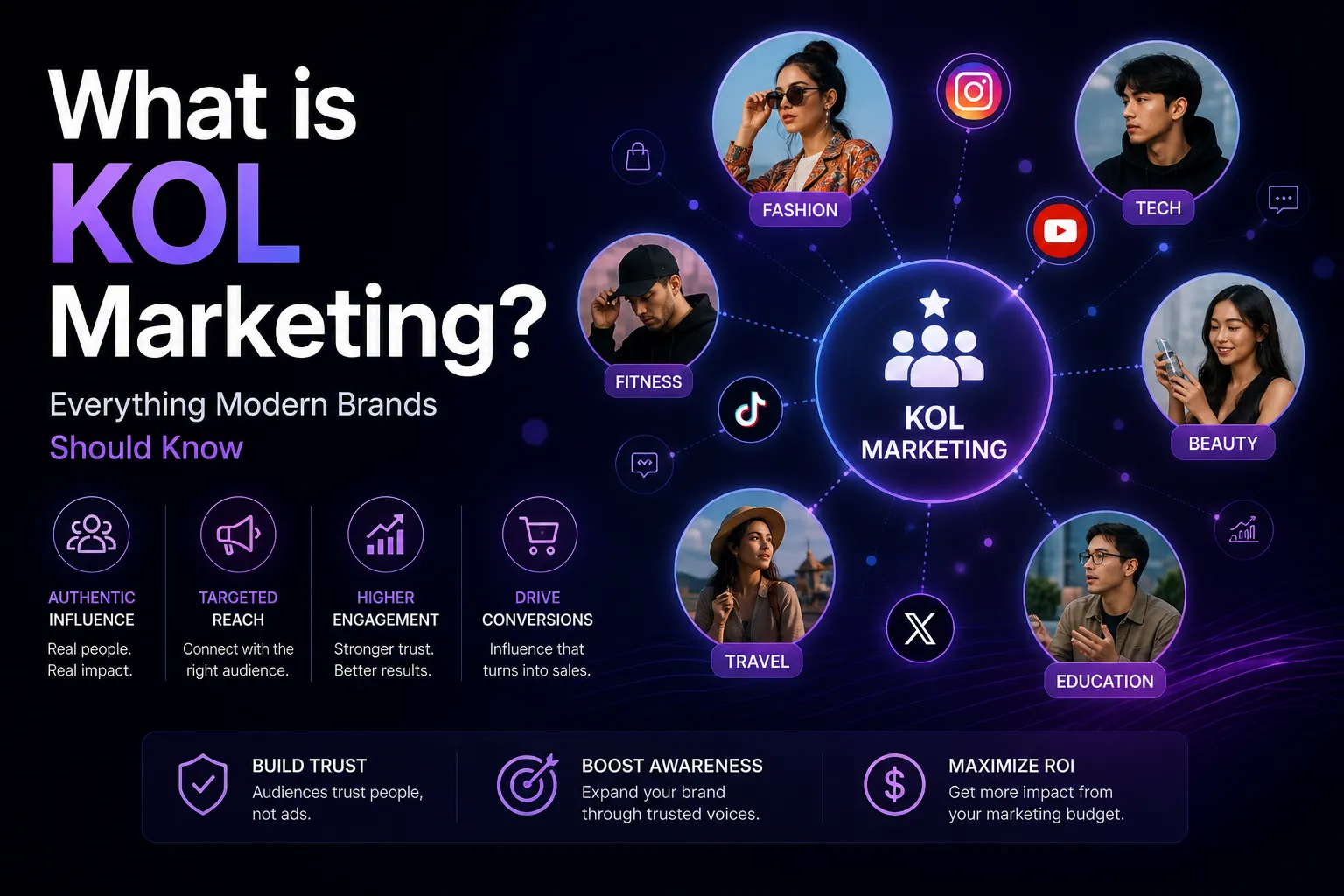
Social and Influencer Visibility
NFT ecosystems are highly social. Visibility across creator communities, collectors, and Web3 influencers plays a major role in discovery.
But credibility matters more than reach.
Ongoing Engagement
NFT marketing does not stop after minting. Continuous updates, events, collaborations, and roadmap progress maintain momentum.
Long-term attention is the real challenge.
Common Challenges NFT Projects Face
Many NFT launches fail not because of poor technology, but because of weak growth strategy.
Common issues include:
- lack of clear value proposition
- short-term hype without long-term planning
- inactive communities
- poor communication
- weak trust building
Marketing must address these structural challenges not just promote the launch.
Where NFT Marketing Services Fit In
As the NFT ecosystem becomes more competitive, many projects need structured strategies rather than isolated promotional efforts.
NFT marketing services typically focus on:
- positioning and storytelling
- community growth frameworks
- launch strategy planning
- engagement systems
- visibility and partnerships
- long-term ecosystem development
The goal is to build sustainable demand not just short-term attention.
The Future of NFT Marketing
NFTs are evolving beyond collectibles into infrastructure for digital ownership. As use cases expand into gaming, identity, licensing, and access control, marketing will shift from hype-driven promotion to value-driven education.
Projects that focus on real utility, transparent communication, and engaged communities will define the next phase of NFT adoption.
Conclusion
NFTs represent a new model of digital ownership, but ownership alone does not create value. Value emerges from community, utility, and trust elements that require intentional growth strategy.
NFT marketing is not just about promoting a launch. It is about building an ecosystem where people understand, participate, and remain engaged over time.
Projects that treat marketing as education and community design not just promotion are the ones that succeed.

















Sign in to leave a comment.