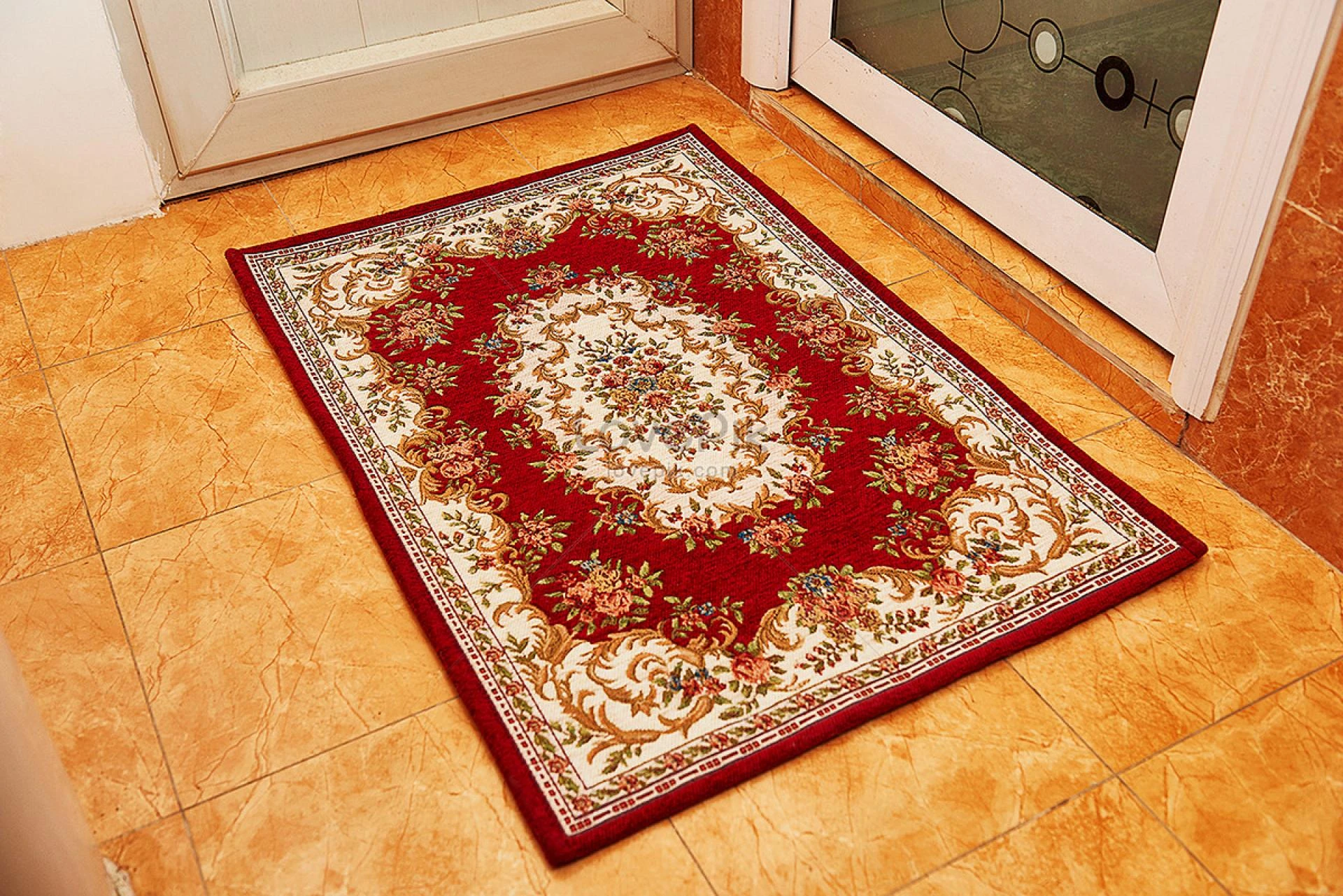

Choosing the right carpet pile can make or break your flooring decision. While most people focus on color and texture, pile type plays a major role in how a carpet feels underfoot, how long it lasts, and how well it holds up in different parts of the home. The term “pile” refers to the fabric loops or strands that form the surface of a carpet. These loops can be cut, left intact, twisted, or woven in specific patterns to create different styles. Each has its own advantages and ideal applications. Understanding how pile types perform in various settings helps you avoid disappointment later and ensures the carpet fits your space, lifestyle, and expectations.
Plush pile is one of the most common carpet styles for residential use, especially in bedrooms and formal living rooms. It features cut loops that are sheared to a uniform height, creating a soft, smooth, and luxurious surface. Plush carpet feels dense and velvety underfoot and is great for spaces where comfort is a priority. However, it does have its downsides. Because the fibers are so uniform, plush carpets can show footprints and vacuum marks easily. They’re also prone to matting in high-traffic areas. If you're set on plush, keep it in areas with low foot traffic, where the softness can be appreciated without excessive wear.
Textured pile is a more versatile option that also uses cut loops, but the fibers are twisted and set at different angles to create a varied surface. This helps hide footprints and vacuum tracks, making it better suited for active areas like family rooms or playrooms. It still offers softness, but with added durability and less maintenance. Textured carpets strike a good balance between comfort and practicality, especially for households with kids or pets. They come in a wide range of colors and are often more forgiving when it comes to stains and daily wear.
Frieze pile is a more modern twist on traditional shag carpets. The fibers are long and highly twisted, giving the surface a curly or nubby appearance. Frieze is excellent at hiding dirt, footprints, and seams, making it a solid choice for hallways, staircases, and family areas. It’s also known for its durability, as the twisted fibers bounce back more easily after compression. The only trade-off is that frieze carpets can look more casual or informal, which may not be the right fit for formal rooms. They're also harder to clean deeply due to their longer fibers, so a high-quality vacuum is a must.
Loop pile, also known as Berber, is made from uncut loops of yarn, giving it a firm and textured feel. It’s especially durable and resists crushing, which makes it ideal for high-traffic areas like offices, basements, or entryways. Loop pile carpets hold up well under heavy furniture and foot traffic, but they do come with one warning: snags. If you have pets with claws or move furniture frequently, the loops can catch and unravel over time. Berber styles range from level loops, where all the loops are the same height, to multi-level loops, which create patterns and visual texture.
Cut and loop pile combines both cut and uncut fibers to create patterns, textures, and subtle designs. This hybrid approach gives a unique look and works well in areas where you want style without sacrificing durability. It’s a good choice for home offices, dens, or dining rooms where design matters as much as function. These carpets are often used in patterned or sculpted styles and can hide dirt and stains better than uniform plush piles. However, some of these patterns may date quickly, so if you’re concerned about long-term appeal, stick to classic designs.
Each room in your home has its own demands, and the right carpet pile should match those needs. For bedrooms, where comfort and warmth are the top priorities, plush or textured pile is usually the go-to. It creates a cozy, welcoming feel and complements soft lighting and furniture. In high-traffic areas like hallways, stairs, and living rooms, frieze or loop pile offers the resilience needed to handle daily wear. For home offices, you might prioritize both aesthetics and practicality, making cut and loop pile a strong candidate.
Carpet maintenance is another key factor when selecting a pile type. Plush carpets need regular vacuuming to keep their surface looking smooth and even. Textured and frieze carpets are better at hiding daily debris and don’t require as frequent deep cleaning. Loop piles can be spot cleaned easily, but any snags should be repaired quickly to avoid further damage. Cut and loop piles require more attention to detail during cleaning to maintain their pattern definition. Knowing how much effort you’re willing to invest in upkeep can help narrow down your options.
It’s also worth thinking about what’s under the carpet. Padding matters. A good-quality carpet pad can extend the life of any pile type by absorbing impact and reducing friction against the floor. Softer piles like plush or frieze benefit from thick, cushioned padding, while dense loop piles may only need minimal support. The right pad can also improve insulation, soundproofing, and underfoot comfort. Don’t cut corners on padding just to save money—it directly affects how the carpet performs.
Color and pattern are usually what people notice first, but pile type affects how those elements look over time. Lighter plush carpets may show wear and dirt faster than darker loop or patterned styles. Multicolored or heathered frieze can mask pet hair and daily mess, while uniform colors in plush pile need more frequent care. Always bring samples home and test them under your actual lighting conditions. Walk on them, brush the fibers, and see how they respond. Even a small swatch can reveal a lot about how the full carpet will behave in your space.
The process of choosing a carpet shouldn’t just be about aesthetics—it’s about matching your home’s needs to the strengths of each pile type. Think about who uses the room, how often, and what kind of look you want to maintain over time. Whether you're furnishing a quiet reading room or a bustling family area, there’s a carpet pile designed to perform in that exact setting. When you understand the characteristics of each style, you avoid common pitfalls and make a decision that combines comfort, durability, and design.
The next time you walk into a showroom or browse online, don’t just focus on how soft a carpet feels. Consider how the pile is constructed, how it fits your daily life, and how it will hold up over the years. By choosing the right pile for each room, you're not just buying carpet—you’re investing in how your home feels and functions every day.



















Sign in to leave a comment.