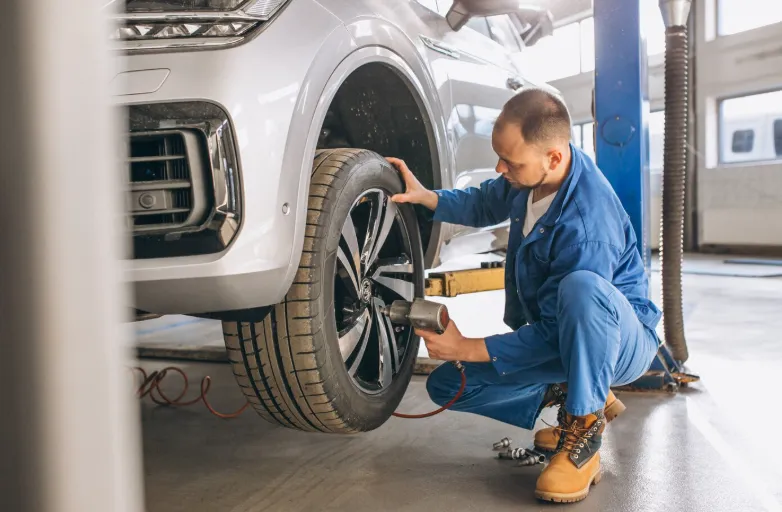

Your vehicle’s steering and suspension system work together to keep every journey smooth, stable, and safe. One of the most important maintenance services that supports this performance is car alignment. Although many drivers only think about wheel alignment after noticing uneven tire wear or a steering problem, proper alignment plays a much bigger role in overall driving comfort, vehicle handling, and fuel efficiency. When your wheels are correctly aligned, your car responds more accurately to steering inputs, your tires last longer, and you enjoy a safer driving experience. Understanding how front-end alignment works and recognizing the warning signs early can help you avoid expensive repairs while keeping your vehicle performing at its best.
What Is Front-End Alignment?
Front-end alignment, often called wheel alignment, is the process of adjusting the angles of the front wheels so they match the manufacturer's recommended specifications. These adjustments ensure that the wheels are positioned correctly relative to each other and the road surface.
Contrary to what many drivers believe, alignment does not involve changing the tires themselves. Instead, technicians adjust the suspension components that determine how the wheels make contact with the road. Proper alignment allows the vehicle to travel in a straight line without unnecessary resistance or uneven pressure on the tires.
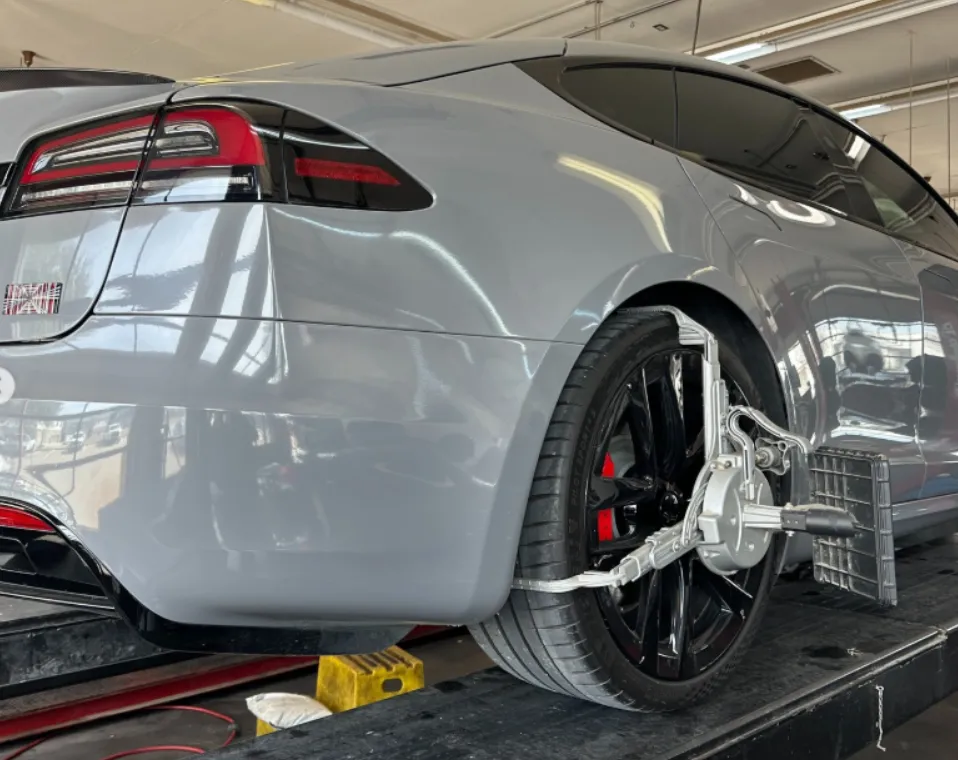
Modern alignment equipment uses advanced computerized technology to measure wheel angles with exceptional accuracy, helping technicians restore factory settings for optimal performance.
Why Proper Front-End Alignment Matters
Many vehicle owners underestimate the importance of routine alignment checks. However, even a slight misalignment can affect multiple aspects of your vehicle's performance.
Proper front-end alignment provides several important advantages:
- Improves steering accuracy and responsiveness.
- Enhances overall driving stability.
- Promotes even tire wear.
- Extends tire lifespan.
- Reduces rolling resistance.
- Improves fuel economy.
- Minimizes unnecessary stress on suspension components.
- Creates a smoother and more comfortable driving experience.
Maintaining correct alignment protects both your investment and your safety every time you drive.
Understanding the Three Main Alignment Angles
Professional technicians evaluate three essential alignment angles during a front-end alignment service.
Camber
Camber refers to the inward or outward tilt of the wheel when viewed from the front of the vehicle.
- Positive camber means the top of the tire leans outward.
- Negative camber means the top leans inward.
Too much positive or negative camber causes uneven tire wear and reduces tire contact with the road, affecting braking and cornering performance.
Toe
Toe describes whether the front edges of the tires point toward or away from each other.
- Toe-in means the tires point slightly inward.
- Toe-out means they point slightly outward.
Improper toe settings are one of the most common causes of rapid tire wear and unstable steering.
Caster
Caster measures the angle of the steering axis when viewed from the side of the vehicle.
Correct caster improves straight-line stability and helps the steering wheel naturally return to center after making a turn.
Improper caster can make steering feel heavy, loose, or inconsistent.
Common Causes of Front-End Misalignment
Wheel alignment gradually changes over time due to everyday driving conditions. Some situations can also knock the wheels out of alignment unexpectedly.
Common causes include:
- Driving over potholes.
- Hitting curbs.
- Speed bumps taken at high speed.
- Minor accidents or collisions.
- Worn suspension components.
- Damaged steering parts.
- Installing new suspension components.
- Carrying excessive loads frequently.
- General wear from regular driving.
Even if your vehicle appears to drive normally, small alignment changes can slowly reduce tire life without obvious warning.
Warning Signs Your Vehicle Needs Front-End Alignment
Recognizing the symptoms early can help prevent more costly repairs later.
Vehicle Pulls to One Side
If your vehicle drifts left or right while driving on a straight, level road, your alignment may be incorrect.
Although tire pressure differences can also cause pulling, persistent drifting often indicates an alignment problem.
Crooked Steering Wheel
When driving straight, your steering wheel should remain centered.
If the wheel sits noticeably off-center while traveling straight, your alignment should be inspected.
Uneven Tire Wear
One of the clearest signs of poor alignment is uneven tire wear.
Look for:
- Excessive wear on one edge.
- Feathered tread patterns.
- Smooth spots.
- Rapid wear on a single tire.
Ignoring these warning signs can shorten tire life significantly.
Loose or Unstable Steering
If your steering feels less responsive or your vehicle wanders on the highway, incorrect alignment could be affecting vehicle stability.
Proper alignment helps maintain predictable steering control.
Squealing Tires
Misaligned wheels sometimes create tire noise, especially when turning or driving at low speeds.
While tire squeal has multiple possible causes, alignment should always be checked if the sound persists.
How Front-End Alignment Protects Your Tires
Tires represent one of the largest ongoing maintenance expenses for vehicle owners.
When wheels are correctly aligned, each tire shares the vehicle's weight evenly across the tread. This balanced contact reduces unnecessary friction and prevents certain sections of the tire from wearing prematurely.
A properly aligned vehicle allows you to maximize the lifespan of every tire, delaying replacement costs and maintaining consistent traction throughout the tire's service life.
The Connection Between Alignment and Fuel Efficiency
Many drivers don't realize that wheel alignment can influence fuel consumption.
Misaligned wheels create additional rolling resistance because the tires are no longer moving efficiently in the intended direction.
As resistance increases, the engine must work harder to maintain speed, using more fuel over time.
Although the improvement varies depending on driving habits and road conditions, maintaining proper alignment contributes to better fuel efficiency and lower operating costs.
When Should You Schedule an Alignment?
Vehicle manufacturers often recommend checking alignment during routine maintenance or after replacing suspension components.
However, additional inspections are recommended after:
- Striking a large pothole.
- Hitting a curb.
- Installing new tires.
- Replacing steering components.
- Suspension repairs.
- Collision repairs.
- Noticing unusual tire wear.
- Experiencing steering changes.
Many experts also suggest having alignment checked every 10,000 to 12,000 kilometers or according to your owner's manual.
What Happens During a Professional Alignment Service?
A professional alignment appointment involves much more than adjusting wheel angles.
Technicians generally perform the following steps:
- Inspect tire condition and inflation.
- Examine steering and suspension components.
- Mount computerized alignment sensors.
- Measure current wheel angles.
- Compare measurements with manufacturer specifications.
- Adjust camber, caster, and toe where applicable.
- Verify final alignment readings.
- Perform a road test if necessary.
Advanced alignment systems provide highly accurate measurements that help restore proper vehicle handling.
Can You Drive With Poor Alignment?
While a slightly misaligned vehicle may still be drivable, continuing to operate it for long periods is not recommended.
Ignoring alignment issues can lead to:
- Faster tire replacement.
- Reduced steering control.
- Longer stopping distances.
- Increased suspension wear.
- Higher fuel consumption.
- Greater repair expenses over time.
Addressing alignment problems early is usually much less expensive than replacing worn tires or damaged suspension components.
Tips to Maintain Proper Front-End Alignment
Keeping your alignment in good condition requires a combination of careful driving and regular maintenance.
Helpful practices include:
- Maintain proper tire pressure.
- Rotate tires at recommended intervals.
- Avoid potholes whenever possible.
- Slow down over speed bumps.
- Inspect suspension components regularly.
- Replace worn steering parts promptly.
- Schedule periodic alignment inspections.
- Avoid overloading your vehicle beyond recommended limits.
Consistent maintenance helps preserve vehicle performance while reducing unexpected repair costs.
Final Thoughts
Front-end alignment is an essential part of responsible vehicle maintenance that directly affects safety, comfort, tire life, and overall driving performance. Paying attention to early warning signs such as uneven tire wear, steering pull, or an off-center steering wheel allows you to correct problems before they become expensive repairs. Regular inspections performed by qualified technicians ensure your vehicle continues to drive smoothly while protecting critical suspension and steering components. Investing in routine auto alignment services not only improves everyday driving confidence but also helps maximize the lifespan of your tires and enhances fuel efficiency for thousands of kilometers ahead.
Frequently Asked Questions (FAQs)
1. How often should I get a front-end alignment?
Most vehicles benefit from an alignment inspection every 10,000 to 12,000 kilometers or whenever you notice steering or tire wear issues. Always follow your vehicle manufacturer's maintenance recommendations.
2. Does wheel alignment include tire balancing?
No. Wheel alignment adjusts the angles of the wheels, while tire balancing ensures the tire and wheel assembly rotates evenly. Both services are important but serve different purposes.
3. Can bad alignment damage my tires?
Yes. Incorrect alignment causes uneven tread wear, reducing tire lifespan and affecting traction, handling, and braking performance.
4. Is front-end alignment necessary after replacing tires?
It is highly recommended. Installing new tires without checking alignment may cause the new tires to wear unevenly if the vehicle is already out of alignment.
5. What is the difference between front-end alignment and four-wheel alignment?
Front-end alignment adjusts only the front wheels, while four-wheel alignment measures and adjusts all four wheels on vehicles designed with adjustable rear suspension.





























Sign in to leave a comment.