
When it comes to maintaining your car, most people think about oil changes, tire pressure, or engine servicing—but often overlook something just as critical: a proper wheel alignment service. This essential maintenance task plays a major role in how your vehicle drives, how long your tires last, and even how safe you are on the road. Ignoring it can lead to subtle issues that gradually turn into expensive repairs. Understanding why wheel alignment matters can help you protect both your car and your wallet.
What Is Wheel Alignment?
Wheel alignment refers to the adjustment of your car’s suspension system—the components that connect your vehicle to its wheels. It’s not about adjusting the tires themselves, but rather the angles at which they meet the road. These angles are carefully set by manufacturers to ensure optimal performance, safety, and tire longevity.
There are three primary alignment angles:
- Camber – The inward or outward tilt of the tires when viewed from the front.
- Toe – The direction the tires point relative to each other when viewed from above.
- Caster – The angle of the steering axis when viewed from the side.
Even slight deviations in these angles can affect how your car handles and how evenly your tires wear.
Signs Your Car Needs Wheel Alignment
Many drivers don’t realize their alignment is off until noticeable problems arise. Here are some common warning signs:
1. Uneven Tire Wear
If you notice that one side of your tire is wearing down faster than the other, misalignment could be the culprit.
2. Vehicle Pulling to One Side
When driving on a straight road, your car should move straight without effort. If it drifts left or right, alignment might be off.
3. Crooked Steering Wheel
If your steering wheel isn’t centered even when driving straight, it’s a strong indicator that alignment is needed.
4. Vibrations in the Steering Wheel
While this can also be caused by tire imbalance, it may sometimes point to alignment issues.
How Poor Alignment Affects Your Car
Ignoring alignment issues doesn’t just affect your driving comfort—it can have broader consequences for your vehicle.
Reduced Tire Lifespan
Misaligned wheels cause uneven tire wear, meaning you’ll have to replace your tires much sooner than expected.
Decreased Fuel Efficiency
When wheels aren’t aligned properly, your car has to work harder to move forward, which increases fuel consumption.
Strain on Suspension Components
Alignment issues can put extra pressure on your car’s suspension system, leading to premature wear and costly repairs.
Compromised Safety
Poor alignment affects steering and handling, especially during sudden maneuvers or in wet conditions.
What Causes Wheel Misalignment?
Wheel alignment doesn’t just go out of place randomly—it’s usually caused by everyday driving conditions.
Hitting Potholes or Curbs
Sudden impacts can knock your wheels out of alignment instantly.
Rough Road Conditions
Driving frequently on uneven or poorly maintained roads gradually affects alignment.
Accidents or Minor Collisions
Even small fender benders can shift your alignment without obvious visible damage.
Worn Suspension Parts
Over time, suspension components wear out, which can alter alignment angles.
How Often Should You Get Wheel Alignment?
There’s no universal rule, but most experts recommend checking your alignment:
- Every 10,000 to 12,000 kilometers
- When you replace your tires
- After hitting a major pothole or curb
- If you notice any of the warning signs mentioned earlier
Regular checks help catch minor issues before they become major problems.
Benefits of Regular Wheel Alignment
Keeping your wheels properly aligned offers several long-term advantages:
Smoother Driving Experience
Aligned wheels ensure your car drives straight and handles predictably.
Better Tire Performance
Even wear extends the life of your tires and maintains optimal traction.
Improved Fuel Economy
Less resistance means your engine doesn’t have to work as hard.
Enhanced Safety
Proper alignment improves control, especially during emergency braking or turns.
Professional vs DIY Alignment
While some car enthusiasts attempt DIY adjustments, wheel alignment is best handled by professionals. Modern vehicles require precise measurements using advanced equipment that ensures accuracy down to fractions of a degree.
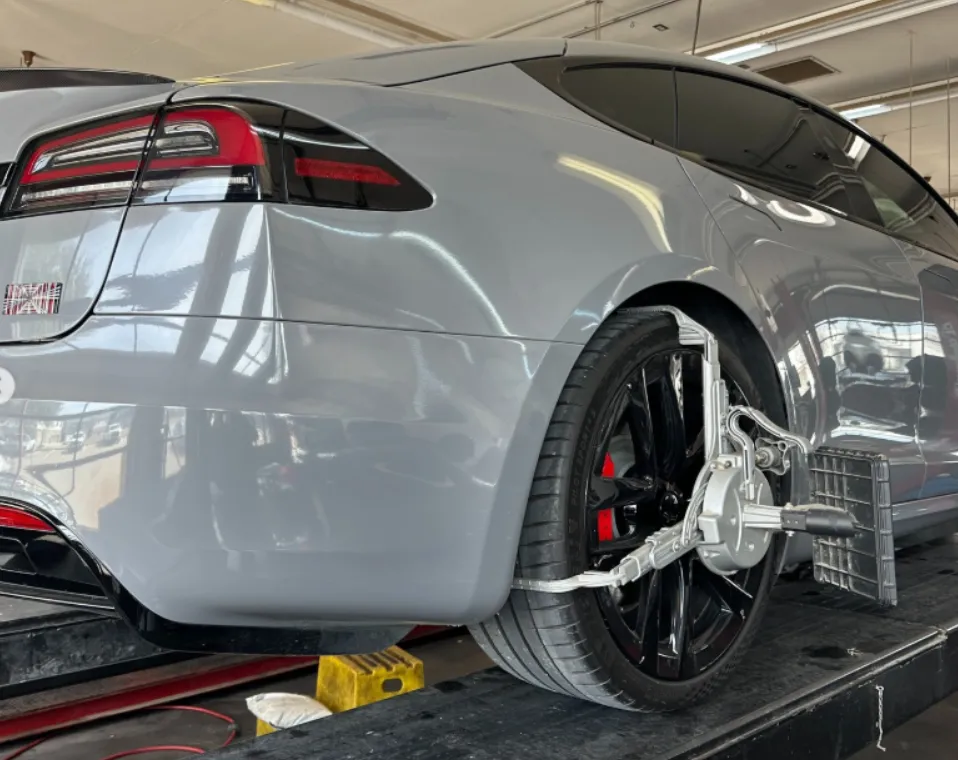
Professional technicians use computerized alignment systems to adjust your vehicle according to manufacturer specifications. This level of precision is nearly impossible to achieve with basic tools at home.
Cost of Wheel Alignment
The cost of alignment varies depending on your location, vehicle type, and whether it’s a two-wheel or four-wheel alignment.
- Two-wheel alignment: Generally more affordable
- Four-wheel alignment: Slightly more expensive but recommended for most modern cars
While it might seem like an extra expense, regular alignment actually saves money by reducing tire wear and preventing larger mechanical issues.
Tips to Maintain Proper Alignment
You can’t completely avoid alignment issues, but you can minimize the risk with a few habits:
- Drive carefully over potholes and speed bumps
- Avoid hitting curbs when parking
- Keep your tires properly inflated
- Schedule routine maintenance checks
- Replace worn suspension parts promptly
These small steps can go a long way in keeping your alignment intact.
Why Drivers Often Ignore Alignment
Wheel alignment isn’t as visible as a flat tire or a warning light, which is why many drivers delay it. The changes are often gradual—slight pulling, minor tire wear—which makes them easy to ignore. Unfortunately, waiting too long can turn a simple adjustment into a bigger, more expensive repair.
Long-Term Impact on Vehicle Health
Think of alignment as part of your car’s overall wellness. Just like regular checkups keep your body healthy, alignment keeps your vehicle running efficiently. Over time, consistent alignment maintenance helps preserve your car’s value and ensures a safer driving experience.
Neglecting alignment doesn’t just affect one part of your car—it creates a chain reaction impacting tires, suspension, fuel efficiency, and safety. Addressing it early prevents this ripple effect.
Final Thoughts
Wheel alignment might not be the first thing on your car maintenance checklist, but it should definitely be near the top. It directly influences how your car performs, how safe it is, and how much you spend on repairs over time. Paying attention to alignment ensures a smoother, more efficient driving experience and helps you avoid unnecessary expenses. Whether you're commuting daily or taking long road trips, investing in proper auto wheel alignment is one of the smartest decisions you can make for your vehicle’s long-term health.
Frequently Asked Questions (FAQs)
1. How long does a wheel alignment take?
A standard wheel alignment usually takes about 30 minutes to an hour, depending on the vehicle and condition.
2. Is wheel alignment necessary after changing tires?
Yes, it’s highly recommended to ensure your new tires wear evenly and perform properly.
3. Can bad alignment damage my car?
Yes, it can lead to uneven tire wear, suspension damage, and reduced fuel efficiency.
4. What’s the difference between balancing and alignment?
Wheel balancing corrects weight distribution in tires, while alignment adjusts the angles of the wheels.
5. How do I know if I need alignment or balancing?
If your car pulls to one side, it’s likely alignment. If you feel vibrations, it may be balancing.
6. Does alignment affect fuel efficiency?
Yes, misaligned wheels increase resistance, which can reduce your car’s fuel efficiency.




























Sign in to leave a comment.