
Introduction to Frozen Shoulder
Are you experiencing sharp, persistent pain and stiffness in your shoulder that seems to limit your range of motion? You might be dealing with a common yet challenging condition known as frozen shoulder. In this blog post, we will delve into everything you need to know about frozen shoulder – from understanding the symptoms and causes to exploring the diagnosis process and various treatment options available. Whether you\'re seeking relief or simply curious about this condition, join us on a journey towards recovery and regaining full mobility in your shoulder!
Symptoms and Causes of Frozen Shoulder
Do you find yourself struggling with shoulder pain and stiffness that seems to worsen over time? You might be experiencing symptoms of a condition known as frozen shoulder, also called adhesive capsulitis. This condition typically develops gradually and in three stages: freezing, frozen, and thawing.
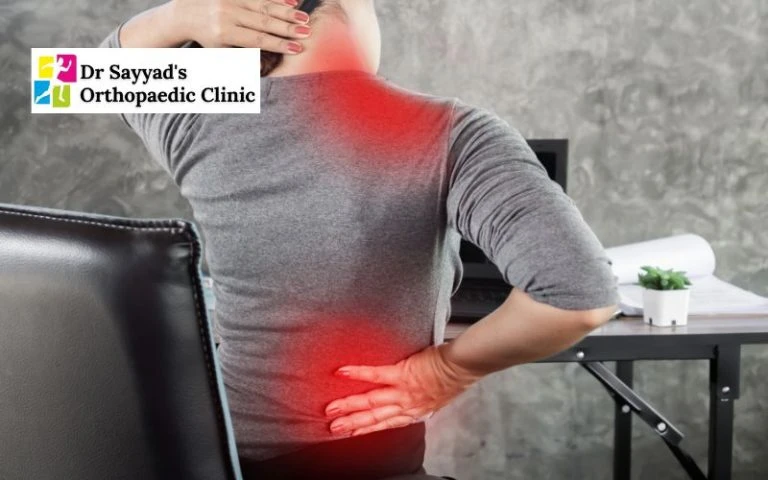
During the freezing stage, you may notice pain and limited range of motion in your shoulder. As the condition progresses to the frozen stage, stiffness becomes more pronounced, making everyday tasks challenging. In the thawing stage, movement slowly improves.
The exact cause of frozen shoulder is not always clear but certain factors can increase your risk such as age (40-60), gender (more common in women), diabetes or thyroid disorders. Inflammation and tightening of the capsule surrounding the shoulder joint contribute to the development of this condition.
If you\'re experiencing these symptoms persistently, it\'s essential to seek evaluation from a qualified healthcare professional for an accurate diagnosis and treatment plan tailored to your needs.
Diagnosis of Frozen Shoulder
When it comes to diagnosing a frozen shoulder, healthcare providers will typically start by conducting a physical examination to assess the range of motion and level of pain in the affected shoulder. During this evaluation, they may also inquire about any recent injuries or underlying medical conditions that could be contributing to the symptoms.
In addition to the physical exam, imaging tests like X-rays or MRI scans may be ordered to rule out other potential causes of shoulder pain such as arthritis or rotator cuff tears. These tests can help confirm the diagnosis of frozen shoulder by showing inflammation and thickening of the joint capsule.
Once a proper diagnosis has been made, your healthcare provider will work with you to develop a personalized treatment plan tailored to your specific needs and goals for recovery. It\'s important to communicate openly with your doctor throughout this process to ensure you receive the best care possible for your condition.
Treatment Options for Frozen Shoulder
When it comes to treating frozen shoulder, there are several options available depending on the severity of the condition.
One common approach is medication, such as nonsteroidal anti-inflammatory drugs (NSAIDs) or corticosteroids, which can help reduce inflammation and pain in the shoulder joint. Another option is physical therapy, which focuses on improving range of motion and strength through targeted exercises.
In some cases, doctors may recommend shoulder manipulation under anesthesia to help loosen tight tissues and improve mobility. Alternatively, surgery may be considered for severe cases where other treatments have not been effective.
It\'s important to work closely with a healthcare professional to determine the best treatment plan for your specific situation. Remember that consistency and patience are key when it comes to recovering from frozen shoulder.
Physical Therapy for Frozen Shoulder Recovery
Physical therapy plays a crucial role in the recovery process of frozen shoulder. It is aimed at improving flexibility, strength, and range of motion in the affected shoulder joint.
A skilled physical therapist will create a customized treatment plan to address individual needs and gradually restore function to the shoulder.
Exercises focusing on stretching and strengthening muscles surrounding the shoulder can help alleviate pain and stiffness over time. These exercises are typically tailored to suit each patient\'s specific limitations and capabilities.
In addition to in-office sessions, patients are often given exercises to practice at home between appointments. Consistent participation in physical therapy is key for optimal recovery outcomes.
The guidance and support provided by a knowledgeable physical therapist can make a significant difference in speeding up the healing process for individuals dealing with frozen shoulder.
Home Remedies and Tips for Managing Pain
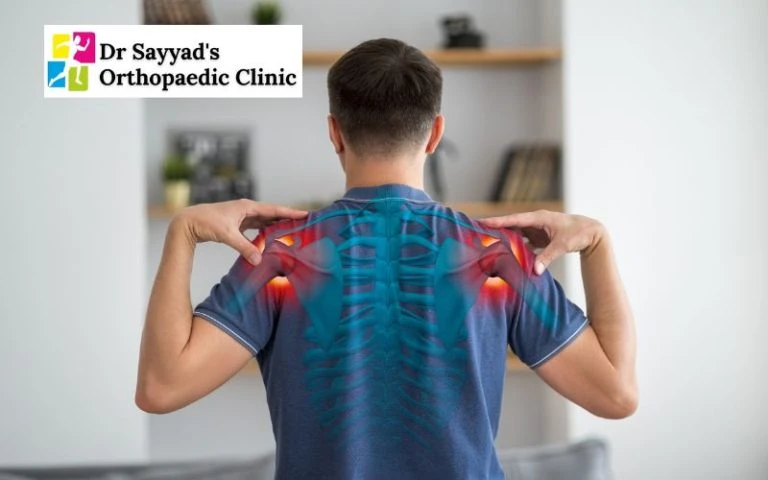
Dealing with the discomfort of frozen shoulder can be challenging, but there are some home remedies and tips that may help manage the pain.
Applying a cold pack to your shoulder for 15-20 minutes a few times a day can help reduce inflammation and numb the area, providing relief.
Gentle stretching exercises can also improve flexibility and reduce stiffness in the shoulder joint. Be sure to consult with your healthcare provider or physical therapist before starting any new exercise routine.
Maintaining good posture throughout the day is essential in preventing added strain on your shoulders. Try to avoid activities that worsen your symptoms, such as reaching overhead or carrying heavy objects.
Additionally, incorporating anti-inflammatory foods like ginger, turmeric, and omega-3 fatty acids into your diet may help decrease pain and swelling in the affected area. Remember to stay hydrated and get plenty of rest to aid in your recovery process.
By combining these home remedies with professional medical guidance, you can take steps towards managing pain associated with frozen shoulder effectively.
Preventing Future Episodes of Frozen Shoulder
Preventing future episodes of frozen shoulder is essential for maintaining shoulder health and mobility. One key aspect is to incorporate regular stretching exercises into your daily routine, focusing on improving flexibility and range of motion in the shoulder joint. It\'s also important to avoid repetitive overhead movements or activities that strain the shoulders.
Maintaining good posture while sitting or standing can help reduce unnecessary stress on the shoulders. Be mindful of your body mechanics when lifting heavy objects - always use proper techniques to protect your shoulders from injury. Additionally, practicing relaxation techniques like yoga or meditation can help reduce overall muscle tension in the body.
Staying active with low-impact exercises like swimming or walking can also promote shoulder strength and stability. Listen to your body - if you experience any discomfort or pain in your shoulders, seek prompt medical attention from a qualified orthopedic specialist like Dr. Sana Sayyad at an orthopedic clinic in Pune for timely intervention and guidance on preventing future issues with frozen shoulder.
Conclusion and Encouragement for Those Dealing with Frozen Shoulder
As you navigate through the diagnosis, treatment, and recovery journey of frozen shoulder, remember that patience and perseverance are key. Seeking help from a shoulder pain specialist in Pune like Dr. Sana Sayyad at an orthopedic clinic in Pune can provide you with the guidance and support needed to manage your condition effectively.
By understanding the symptoms, causes, and treatment options available for frozen shoulder, you can take proactive steps towards regaining mobility and function in your shoulder. Physical therapy plays a crucial role in your recovery process, helping to strengthen muscles and improve range of motion.
In addition to professional medical care, incorporating home remedies such as gentle exercises, hot or cold therapy, and adequate rest can further aid in managing pain and discomfort associated with frozen shoulder. By staying consistent with your treatment plan and following recommended lifestyle modifications, you can prevent future episodes of this condition.
Remember that each individual may experience frozen shoulder differently; therefore, it is essential to consult with a qualified healthcare provider for personalized advice tailored to your specific needs. Do not lose hope – with dedication to self-care practices and ongoing support from medical professionals, you can overcome the challenges posed by frozen shoulder.
Stay positive throughout your healing journey; progress may be gradual but every small step forward counts towards achieving better health outcomes. Take charge of your well-being by prioritizing self-care strategies that promote relaxation and enhance overall physical wellness.
With determination and a proactive mindset towards managing frozen shoulder effectively under expert guidance from specialists like Dr. Sana Sayyad in Pune\'s premier orthopedic clinic — there is light at the end of the tunnel! Remember: Your health matters most; do not hesitate to seek help when needed on this path to recovery.




























Sign in to leave a comment.