
Clean and safe drinking water is a vital requirement for any business. Whether it is a factory, hospital, hotel, or food and beverage unit, water quality directly impacts health, operations, and product safety. In India, industries are increasingly investing in advanced water purification systems to meet regulatory standards and ensure the well-being of employees and customers. One common question that arises is whether to choose an FRP RO Plant in Ahmedabad or an SS RO Plant in Ahmedabad. Both have unique advantages, and selecting the right system depends on water requirements, budget, and long-term goals. Trusted providers like Aaima Water help businesses make informed decisions, offering tailored solutions for all industrial and commercial needs.
Understanding FRP RO Plants
FRP stands for Fiberglass Reinforced Plastic. An FRP RO Plant in Ahmedabad uses strong fiberglass tanks to purify water. These systems are lightweight, resistant to corrosion, and ideal for small to medium-scale industries or commercial setups.
FRP RO plants are particularly popular because of their cost-effectiveness. The lightweight construction allows easy installation and relocation if necessary. Maintenance is straightforward, and these systems perform efficiently for moderate water demands. Many offices, restaurants, and small factories prefer FRP RO plants because they provide reliable purification without heavy initial investment.
One of the key advantages of an FRP RO plant is its resistance to rust and corrosion. Unlike metal tanks, fiberglass does not react with water, ensuring consistent quality. Additionally, FRP RO plants typically consume less energy compared to larger stainless steel systems, making them economical in terms of operational cost.
Aaima Water offers customized FRP RO plants with multiple purification stages, including RO, UV, and UF filtration, ensuring safe and mineral-rich water for everyday industrial or commercial use.
Understanding SS RO Plants
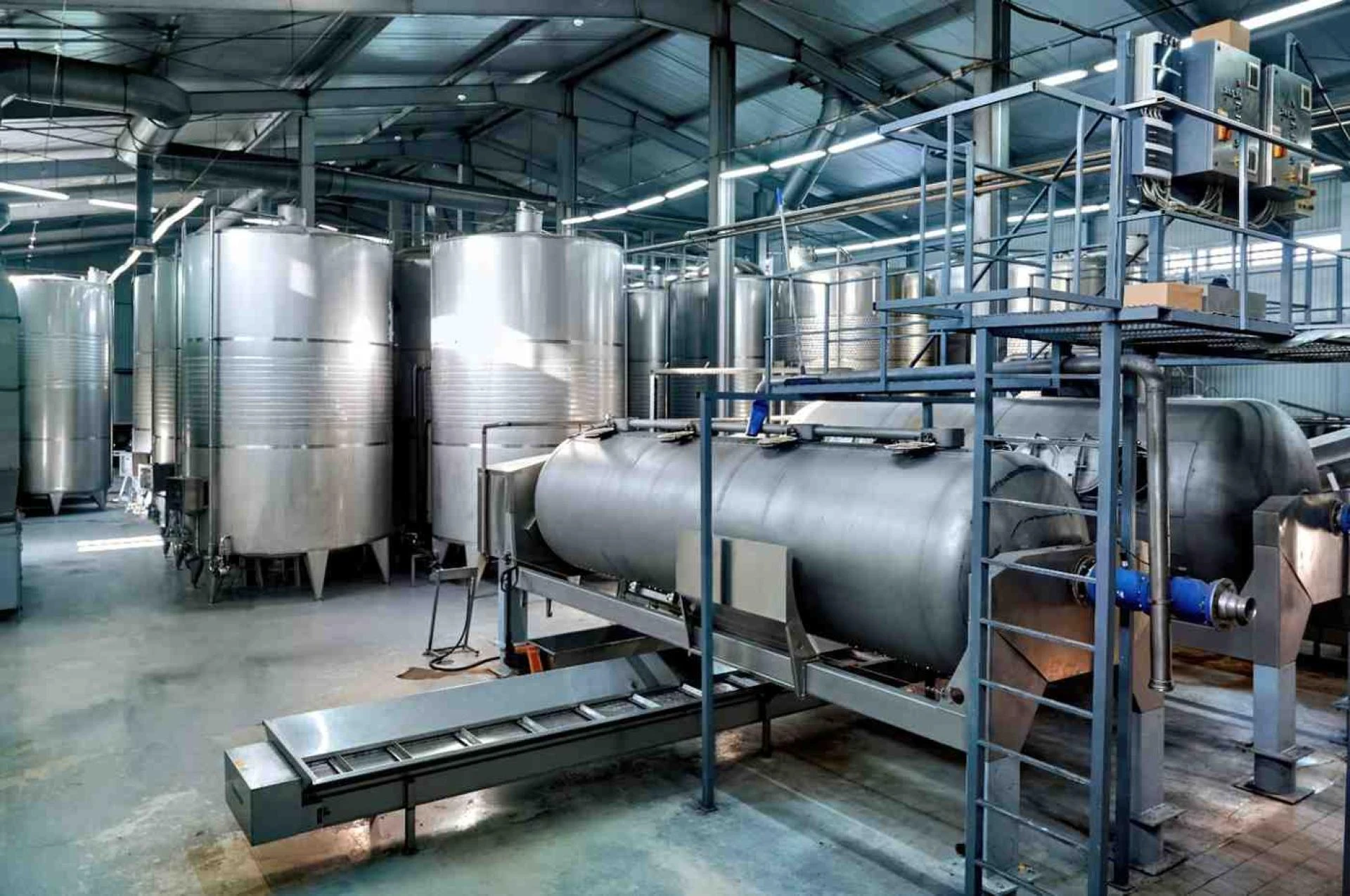
SS stands for Stainless Steel. An SS RO Plant in Ahmedabad is built with high-grade stainless steel tanks and piping, providing unmatched durability and hygiene. These systems are designed for large-scale industrial operations, hospitals, hotels, and food processing units where water demand is high and reliability is crucial.
SS RO plants can handle harsh water conditions, including high TDS levels and hard water. Stainless steel construction prevents corrosion and bacterial growth, making these systems ideal for industries requiring stringent water purity standards. Additionally, SS RO plants are highly scalable, allowing businesses to expand their water capacity as their operations grow.
Although the initial investment in an SS RO plant is higher than that of an FRP system, the long-term benefits in terms of durability, reduced maintenance, and consistent water quality make it a worthwhile investment for large-scale operations. Aaima Water specializes in designing and installing SS RO plants tailored to the specific requirements of businesses, ensuring long-term reliability and efficiency.
Key Differences Between FRP and SS RO Plants
While both FRP and SS RO plants serve the same purpose of providing clean and safe water, their differences lie in construction, durability, maintenance, and cost. FRP RO plants are lightweight, easy to install, and cost-effective, making them ideal for smaller operations with moderate water requirements. In contrast, SS RO plants are highly durable, corrosion-resistant, and suitable for industries that demand a large-scale, continuous water supply.
FRP systems require occasional maintenance and are best suited for controlled environments, whereas SS systems require minimal maintenance and can withstand challenging water conditions. Ultimately, choosing between FRP and SS depends on the scale of operations, budget, and expected longevity of the system. Businesses planning for long-term growth often prefer SS RO plants, while smaller commercial units may benefit more from FRP RO plants.
How to Choose the Right RO Plant for Your Business
Selecting the ideal RO plant involves careful consideration of several factors:
- Water Quality: Assess the TDS levels, hardness, and contamination of the source water.
- Water Demand: Small offices may suffice with FRP RO plants, while large industries need SS RO plants.
- Budget: FRP systems are more affordable initially, but SS RO plants provide long-term durability and efficiency.
- Space: FRP tanks are lightweight and occupy less space; SS RO plants may require a larger footprint.
- Future Expansion: SS RO plants are scalable, allowing for increased water capacity as business needs grow.
Consulting trusted suppliers like Drinking Water RO Plant Suppliers in Ahmedabad helps businesses make informed decisions. These suppliers provide expert guidance on system selection, installation, and maintenance, ensuring optimal performance and longevity.
Benefits of Working with Trusted RO Plant Suppliers
Partnering with reliable suppliers such as Best RO Plant Suppliers in Ahmedabad brings numerous advantages:
- Expert recommendations for FRP or SS systems based on operational needs.
- Access to high-quality, certified RO systems with advanced purification technologies.
- Complete installation, maintenance, and after-sales support.
- Compliance with industry and safety standards for drinking water.
Working with a reputable supplier ensures uninterrupted access to safe water, protecting employees, customers, and products from contamination risks.
Applications of FRP and SS RO Plants
Both FRP and SS RO plants are used across various industries:
- Food and Beverage: Ensures product safety and maintains consistent taste.
- Pharmaceuticals: Complies with strict water purity standards.
- Hospitals and Clinics: Provide safe water for patients and staff.
- Hotels and Restaurants: Enhances customer safety and experience.
- Factories and Industrial Units: Protects machinery and maintains operational efficiency.
Investing in high-quality RO plants, whether FRP or SS, allows industries to maintain operational excellence and ensure health and safety compliance.
Conclusion
Choosing between an FRP RO Plant in Ahmedabad and an SS RO Plant in Ahmedabad depends on water demand, operational scale, and long-term goals. FRP systems are cost-effective and ideal for small to medium operations, while SS RO plants provide durability, hygiene, and scalability for large-scale industrial and commercial applications.
For businesses seeking expert guidance, high-quality systems, and reliable support, Aaima Water offers customized RO solutions that meet industry standards. Working with trusted Drinking Water RO Plant Suppliers in Ahmedabad and Water Treatment Plant in Ahmedabad ensures uninterrupted access to clean, safe, and mineral-rich water for all your business needs. By selecting the right RO system, industries can protect their workforce, maintain product quality, and achieve sustainable growth for years to come.
























Sign in to leave a comment.