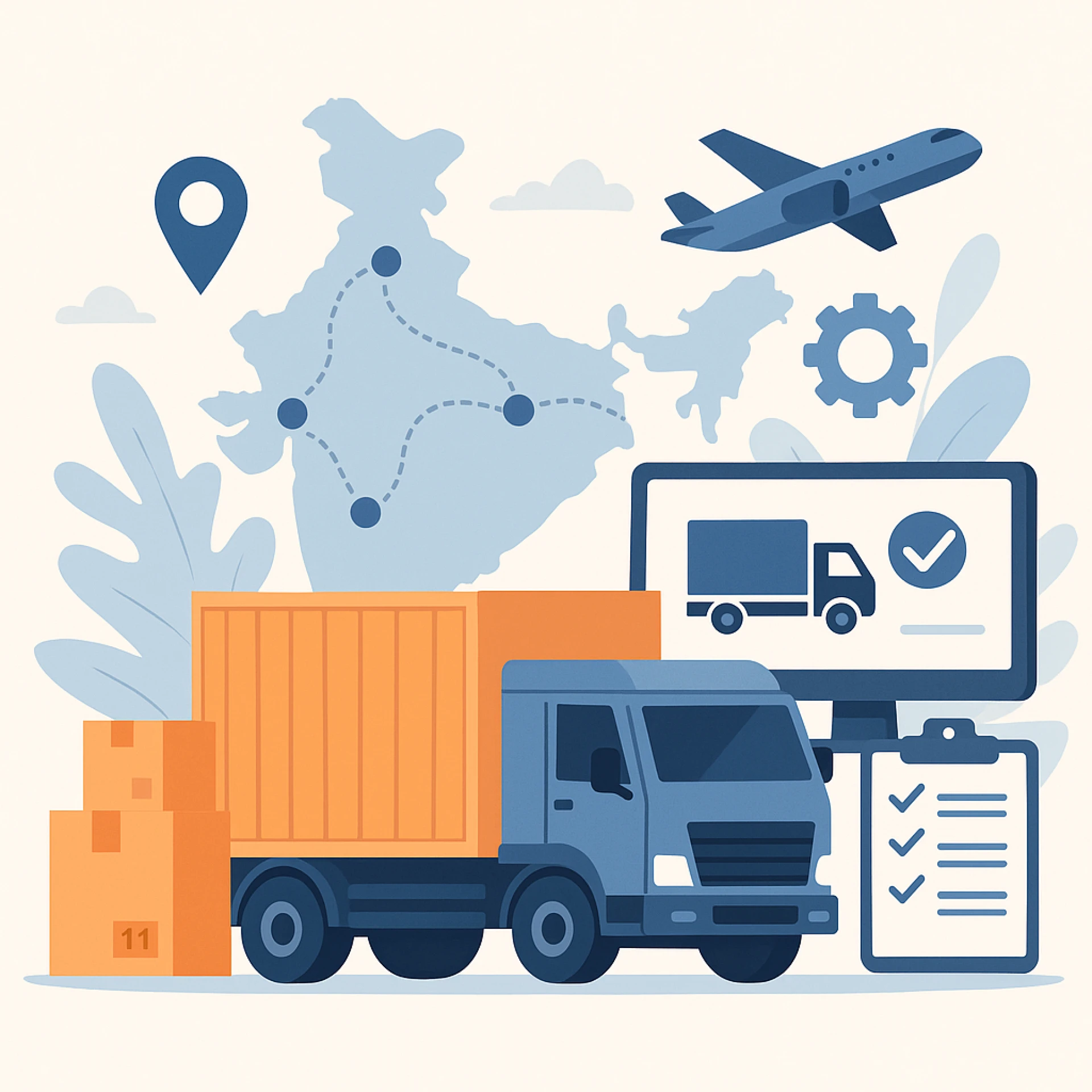
Logistics has always been a pain point for India's micro, small, and medium enterprises (MSMEs), where an efficiently managed supply chain or lack thereof may be the difference between success and stagnation. FTL shipping in India - or Full Truck Load shipping - is emerging as a viable alternative when MSMEs wish to scale, save costs, and improve delivery times.
While many businesses are experiencing heightened demands for faster fulfillment and optimized transportation networks, FTL can provide a reliable, scalable answer. In this article, we will examine how FTL logistics fits into the growth of MSMEs and the opportunities for businesses to use it successfully.
What is FTL Shipping and How Does It Work?
Full Truck Load shipping is the transportation of goods that fill up an entire truck in volume or weight. Unlike LTL (Less Than Truckload), FTL does not combine shipments from multiple businesses, offering end-to-end service from one source to the destination.
- Direct Delivery, No Stops: With no interim handling, shipments go straight from pickup to delivery, reducing the risk of damage or delays.
- Ideal for Bulk or Fragile Goods: Businesses transporting fragile materials, machinery, or heavy inventories find FTL more secure and suitable.
- Flexible Scheduling: MSMEs can choose routes and timelines based on the commitments they have to their customers.
- Lower Per Unit Cost in Bulk: When moving larger volumes of freight, FTL should be more economical in the long term than shared load payments.
This model would particularly suit MSMEs that require shipping on a consistent, regular basis, or are experiencing regional or national growth.
Why FTL Shipping is Gaining Traction Among Indian MSMEs
Indian MSMEs represent close to 30% of India's GDP, and logistics are critical to being able to compete in the domestic and global markets.
- Predictable Delivery Window: FTL has fewer points of delivery, thereby gaining more control over the delivery window. This is extremely valuable for operations working JIT (Just-in-time) inventory.
- Less Risk in Transit: Fewer systems in transit decrease the chances of theft or damage, especially if you are in the pharma, automotive, or electronics spaces.
- More Visibility & Tracking: Many newer FTL offerings have geo-tracking capabilities that provide more visibility and accountability for the transporter and the status of the delivery.
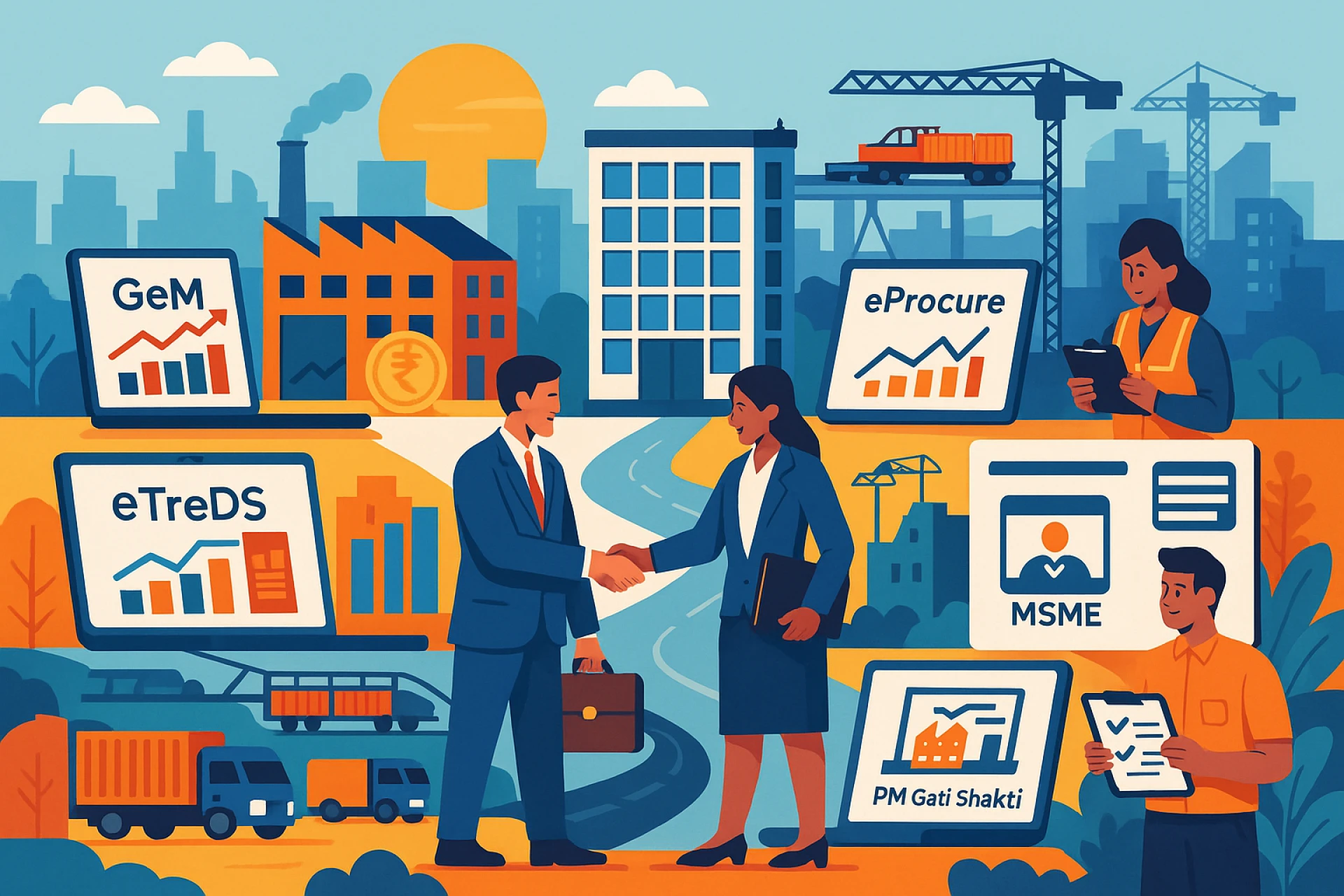
- Integration with National Schemes: Multi-modal transport options with the Government platforms (such as GeM or eProcure) and getting full benefit of invoice discounting through TReDS simplifies logistics even further.
- Alignment with Goals of PM Gati Shakti: The integration and organization of FTL networks will also further national projects committed by the Government of India to advance investments in multimodal transport infrastructure.
Logistics provides an opportunity to improve compliance, drive satisfaction for consumers, and improve margins for the MSME owner.
Key Benefits of FTL Over Other Freight Models
Although certain businesses continue to use LTL for lesser demand/ volume, as business growth allows organizations to transition into FTL scenarios, the business benefits greatly:
- Speed: The quicker delivery times and direct routes afforded to activities requiring timely product delivery, FTL would definitely be a preferred option.
- Security: The products only have to be handled once, as they are only in one trailer, which also reduces the chances of human handling if contracted to a company that can minimize manual handling.
- Simplicity of Billing: With FTL model, flat or route-based pricing models, billing is simpler for companies and more predictable.
- Space Utilization: MSMEs can take advantage of the vehicle to utilize U.S. trailer space based on fluctuations in demand, launch dates, or contract terms with a third party.
With procurement cycles shortened, particularly in commodities like steel, Agri-inputs, or consumer electronics, FTL logistics provide MSMEs with a little more agility and coordination capabilities.
How to Book FTL Shipping Online in India
The digitization of freight bookings has made it easier than ever for small businesses to access logistics solutions that were once only available to large companies.
- Use Digital Freight Platforms: Many technology platforms now offer FTL booking with a real-time rate, verified carriers, and transparent documentation.
- Compare Routes and Quotes: MSMEs have the option to base assessments on transit time, prices, or customer reviews, giving all companies the power of better decision-making.
- Schedule Pickups: Same-day or next-day pickups can be booked, depending on the destination.
- Track Your Freight Live: Online dashboards or mobile apps let businesses monitor the truck in real time, improving customer communication.
This digital transformation is especially valuable for MSMEs working with government tenders, eCommerce, or regional supply chains.
Is FTL Right for Your Business? Assess Before You Invest
Before considering FTL, MSMEs should consider shipment volume, geography, and seasonal demand cycles.
- Regular Shipments vs. Ad-Hoc Shipments: If regular and consistent shipments exist, FTL will be a good option. If shipments are sporadic and by nature ad-hoc, consider a hybrid model or another alternative.
- Inter-City Deliveries vs. Intra-State Deliveries: FTL will provide an advantage for long-distance inter-city deliveries, or when volumes are high.
- Type of Load: If cargo is palletized or boxed, and you want minimal handling for sensitive loads, direct transport will give the best advantage.
- Cost Structure: The upfront price for FTL may be higher than other options, and you would need to evaluate other options considering the long-term usage of the FTL with multipliers to re-evaluate minimum or even maximum efficiencies versus LTL, 3rd party, and more traditional cargo options.
With India anticipating logistics to be a $380 billion industry by 2025, the opportunity is ripe for MSMEs to leverage their freight model immediately.
Conclusion: FTL is Fueling India’s Next-Gen MSMEs
For Indian MSMEs facing thin profit margins, variable demand and competition, FTL shipping in India is more than a logistics mode — it is a growth strategy. Faster turnaround time, better security of product and convenience of digital delivery make FTL a strategic advantage to give businesses better service and smarter scale.
To make your logistics smarter with access to vetted freight options with transparent cost, real-time tracking and doorstep delivery, look at the FTL booking available on Tata nexarc — your solution for smart and scalable logistics options.










Sign in to leave a comment.