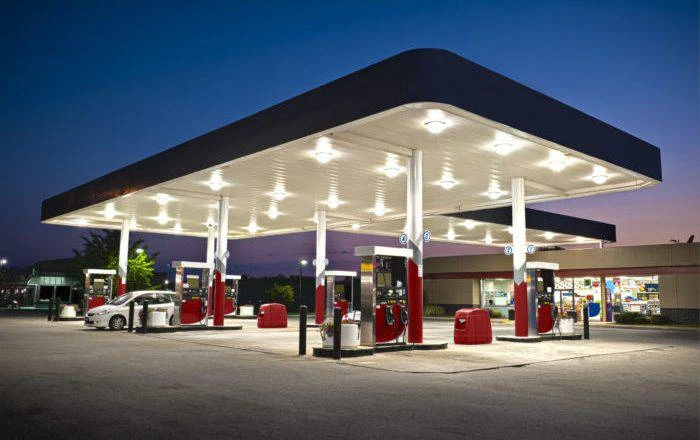

The gas station industry has long been a cornerstone of the global economy, providing an essential service for motorists while contributing significantly to the energy sector. In recent years, however, the landscape of the gas station business has been undergoing transformative changes, driven by technological advancements, shifting consumer preferences, and a growing emphasis on sustainability. This article explores the emerging trends that are fueling growth in the gas station business.
Electric Vehicle Charging Stations:
As the world transitions towards cleaner and more sustainable energy solutions, electric vehicles (EVs) have gained considerable traction. Gas stations are adapting to this shift by incorporating electric vehicle charging stations into their facilities. This not only caters to the growing number of electric vehicle owners but also positions gas stations as hubs for various energy needs.
Convenience and Retail Integration:
Gas stations are evolving into more than just refueling points; they are becoming comprehensive service centers. Integrating convenience stores and retail spaces within gas stations has become a popular trend. This not only enhances customer experience but also provides additional revenue streams. From snacks to groceries, these retail spaces cater to the diverse needs of consumers on the go.
Digital Transformation:
Technology is playing a pivotal role in reshaping the gas station business. Mobile apps, digital payment systems, and loyalty programs are becoming commonplace, enhancing customer convenience and loyalty. Digital signage and smart dispensers are also being adopted to provide real-time information and a more engaging experience for customers.
Focus on Sustainability:
Sustainability is a key driver in the modern business landscape, and gas stations are no exception. Many stations are incorporating environmentally friendly practices, such as the use of LED lighting, energy-efficient equipment, and waste recycling. Some are even exploring biofuels and other alternative energy sources to reduce their carbon footprint.
Contactless Services:
The global COVID-19 pandemic has accelerated the adoption of contactless services across various industries, and gas stations are no different. Touchless payment options, self-service pumps, and mobile app functionalities are becoming standard features, ensuring a safer and more hygienic experience for customers.
Partnerships and Collaborations:
Gas stations are increasingly forming partnerships with other businesses to create synergies and enhance their offerings. Collaborations with food delivery services, ride-sharing companies, and electric vehicle manufacturers are becoming more common, creating a network of services that go beyond traditional refueling.
Data Analytics for Personalization:
Gas stations are leveraging data analytics to understand customer behavior and preferences. By collecting and analyzing data, they can offer personalized promotions, discounts, and loyalty rewards, creating a more engaging and tailored experience for their customers.
Conclusion:
The gas station business is undergoing a profound transformation, driven by a confluence of factors ranging from technological advancements to the increasing focus on sustainability. As the industry continues to evolve, gas stations that embrace these emerging trends are not only positioning themselves for sustained growth but are also becoming integral components of the modern, multifaceted service landscape. By staying attuned to consumer needs and market dynamics, gas stations have the potential to emerge as hubs for a wide array of services, contributing to a more connected, convenient, and sustainable future.
































Sign in to leave a comment.