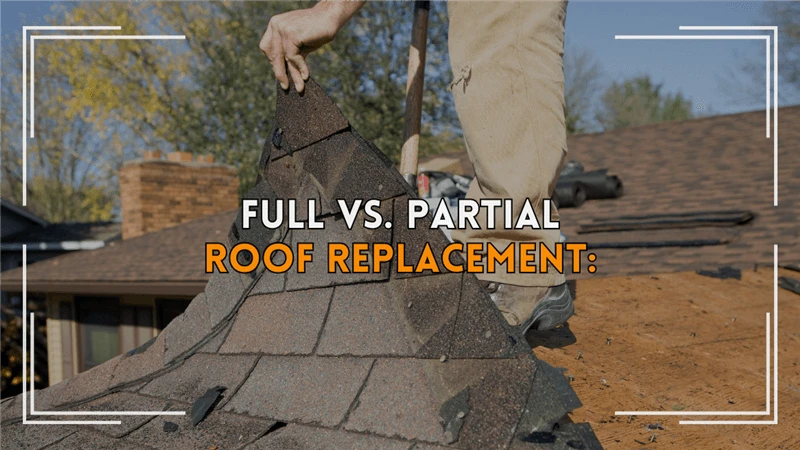

A damaged or aging roof can put your entire home at risk—from water leaks to insulation problems. When this happens, homeowners are often left wondering: should I replace the entire roof or just fix the damaged section? The decision between a full and partial roof replacement isn’t always easy. It depends on several factors, including the age of your roof, the extent of the damage, your budget, and your long-term plans for the home. Choosing the right professional roof replacement services will help you to replace your home’s roof effectively.
In this guide, we’ll walk you through the differences between full and partial roof replacement and help you decide which option is right for your property.
What is a Full Roof Replacement?
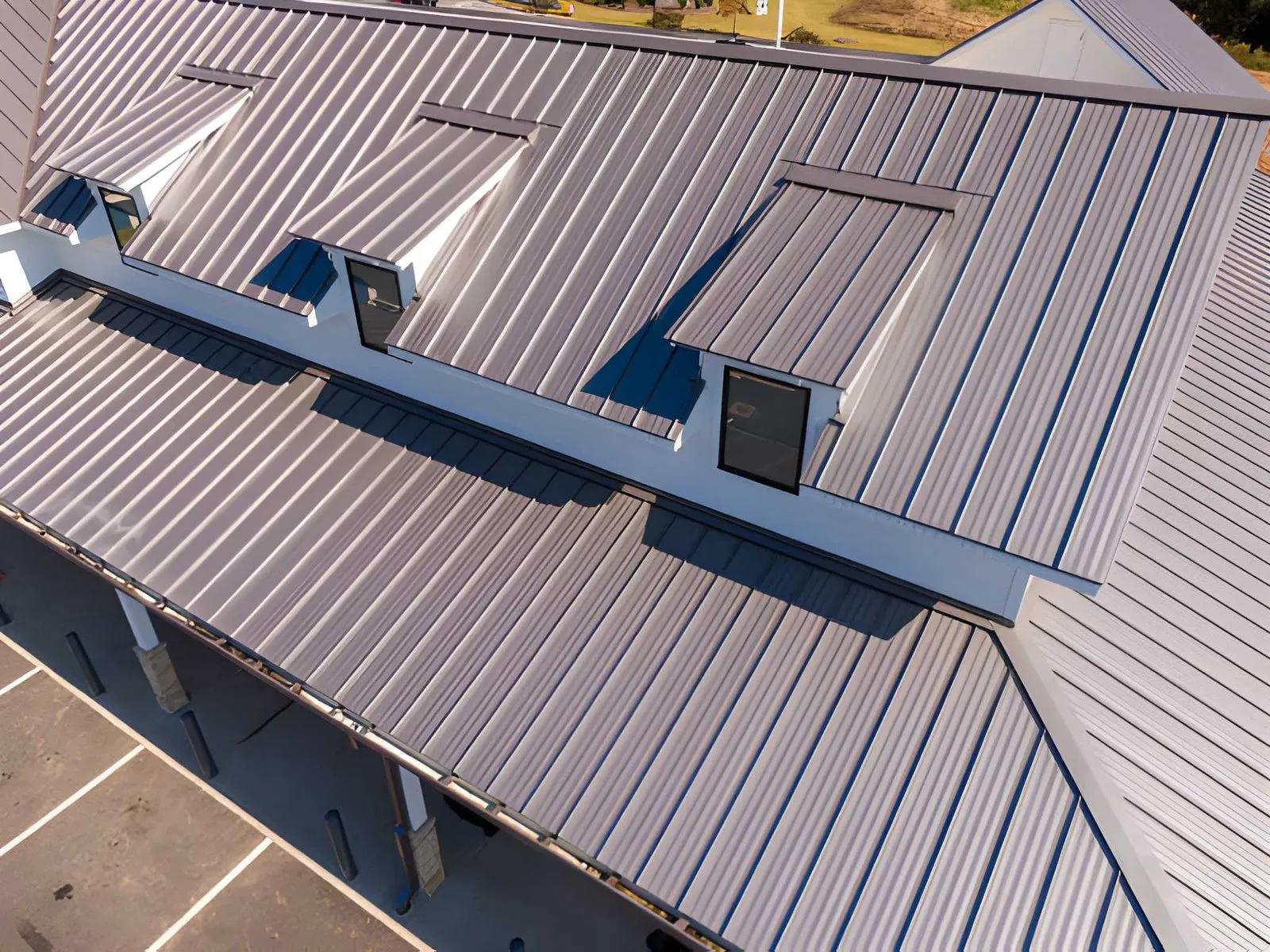
During a complete roof replacement, you remove the old roof and build a new roof system on top of the decking. By doing this, roofers can check the foundation for rot, mold or any concealed damage. When the space is clean, they go on to set up the underlayment, flash the edges, install shingles or other materials and add vents.
A new full roof is the best way to ensure your roof will last for many years. Because everything on the roof is new, owners can enjoy uniform materials and even boost ventilation or improve insulation. Doing so can actually give your home an attractive exterior that may fetch a good price when you choose to sell.
Nevertheless, the added price of total roof replacement can take much more time to install. Still, many homeowners believe that it’s a wise decision for the future.
What is a Partial Roof Replacement?
A roof can also be patched or replaced only on the damaged area or slope. Using this method can be useful when most of your roof is still intact, but you notice localized leaks, signs of storm damage or degradation in a small area.
The cost savings are a major advantage of a partial replacement. Because homeowners can save time and money with a remodel, this is an attractive option where funds are limited. It also keeps home life from being disrupted and may help your roof live longer, as problem areas are taken care of right away.
At times, replacing only part of a system can introduce difficulties. Often, it can be hard to find roofing materials that look the same as the older ones, resulting in an uneven look. Problems caused by moisture or gaps in the roof insulation can be easily overlooked if only a limited area is checked. Sometimes, fixing only part of the roof requires a full roof replacement instead, since it may break the original seal of the roof’s warranty.
Read: Common Issues Encountered During Roof Replacement
Signs It’s Time for Partial or Full Roof Replacement
Age of the Roof
If your asphalt shingle roof is about 20 to 25 years old or older, it’s usually wiser to replace the entire roof. Even though wear on old roofs are often hidden, fixing one part at a time may not stop the sooner onset of damage.
Extent of the Damage
Having fallen debris, the wind or a leak causing damage to one section is a situation in which a partial roof replacement could work well for a short time. If several areas are damaged and if the problem is widespread, replacing everything will give you more peace of mind in the long run.
Budget
How much you can afford has a big impact on your decision. Though installing a new roof costs more upfront, it may actually save money, as you won’t have to repair it all the time or worry about other hidden problems. If replacing the entire thing isn’t possible right now, repairing part of it can give you time to save for a new unit in the future.
Aesthetic Concerns
Sometimes, after partial replacement, it’s challenging to match new tiles or materials with those that are already there because of their condition. This often generates bad roughness on the paint which could make a house less attractive, especially when it’s being sold.
Insurance Coverage
If your home is damaged by a flood or storm, homeowners insurance might pay for a total roof replacement. Speak with your insurance company and roofing team to know what’s protected and what paperwork is required for the claim.
Read: What Components Are Covered by Roofing Warranties?
Which Option is Best for Your Home?
If your roof is relatively new and the damage is isolated, a partial replacement may be sufficient. But if the roof is older, has multiple problem areas, or you’re planning to live in the home for years to come, a full roof replacement is usually the smarter investment. It ensures long-term performance, better energy efficiency, and peace of mind knowing your home is fully protected.
Looking for a reliable roofing company in Gaithersburg? Contact us to get the roof replacement services your home deserves.
Originally Posted at: Full vs Partial Roof Replacement



























Sign in to leave a comment.