
Introduction
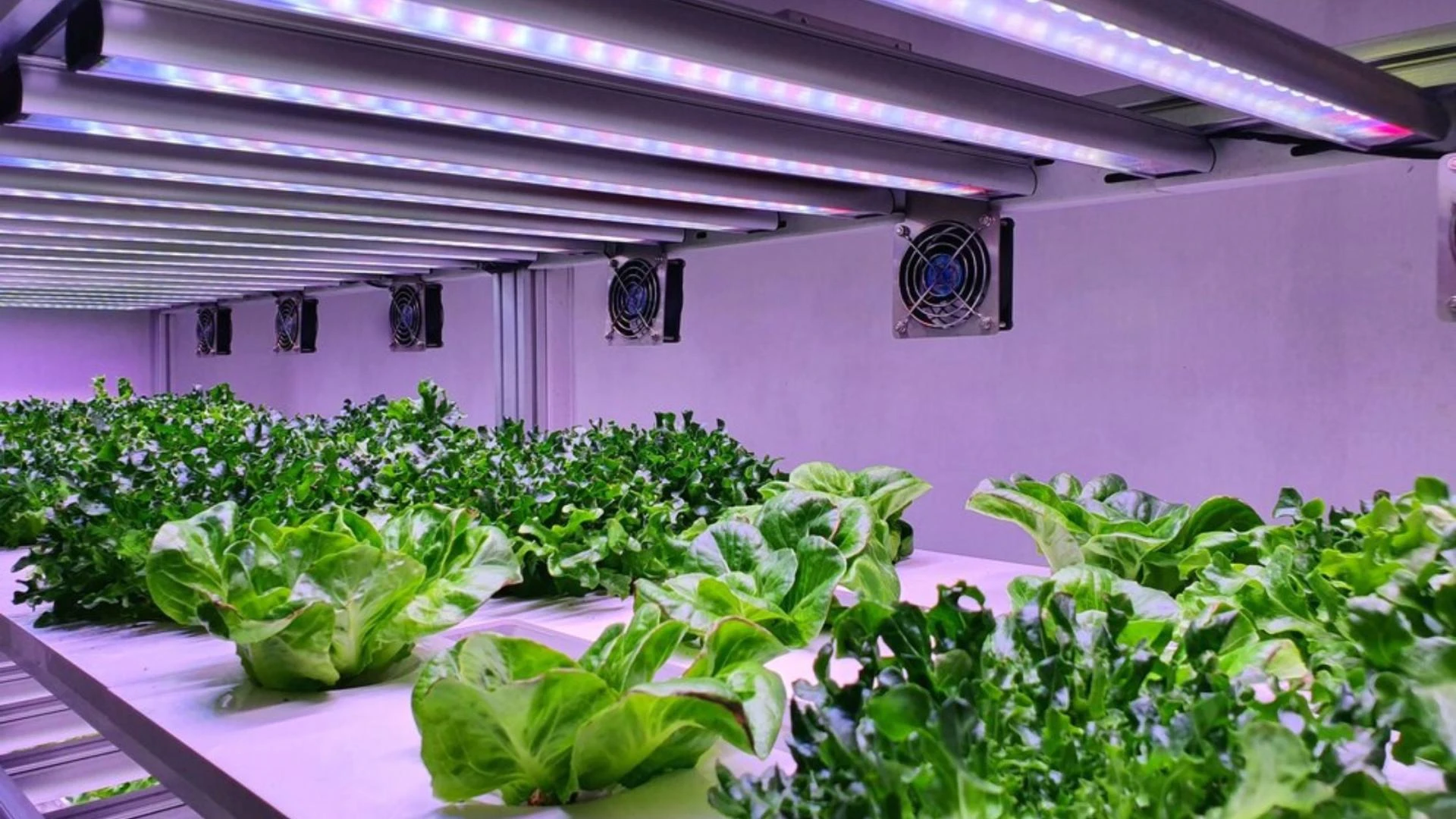
Growing healthy plants indoors requires the right lighting. But with so many options available, how do you determine the best one? That’s where Full Spectrum LED Grow Lights come into play. These lights mimic natural sunlight, providing plants with the essential wavelengths they need for optimal growth. Whether you're a home gardener or a commercial grower, using the right lighting can make all the difference in plant health and yield.
This guide covers everything you need to know about Full Spectrum LED Grow Lights—what they are, how they work, and why they are essential for indoor gardening success.
1. What Are Full Spectrum LED Grow Lights?
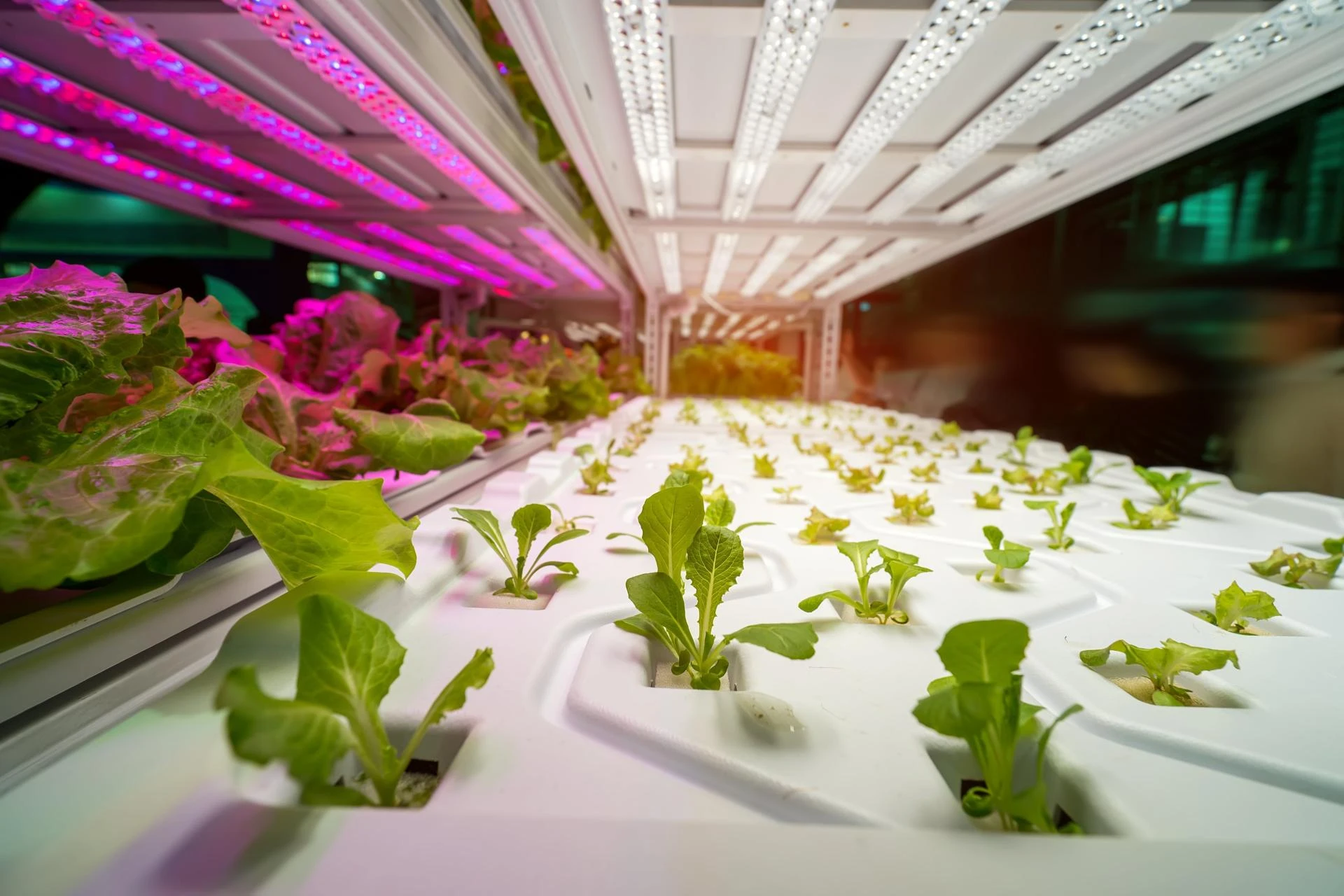
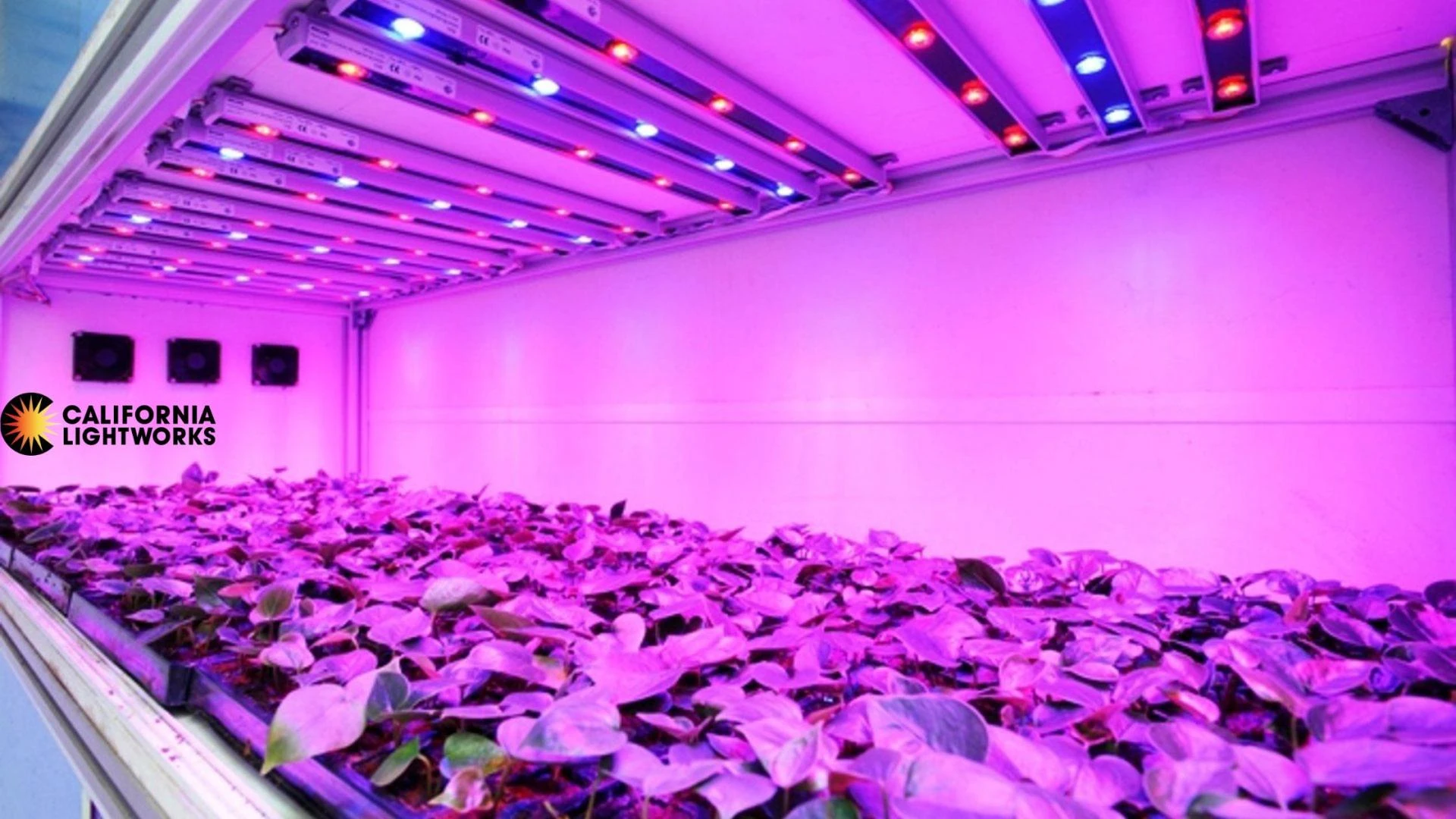
Full Spectrum LED Grow Lights are designed to replicate natural sunlight by emitting light across the entire electromagnetic spectrum. Unlike traditional grow lights that provide only a limited range of wavelengths, full-spectrum LEDs offer a balanced mix of red, blue, green, ultraviolet (UV), and infrared (IR) light. This ensures that plants receive the necessary light for photosynthesis and all stages of development, from seedling to flowering.
Unlike older lighting technologies such as fluorescent or high-intensity discharge (HID) bulbs, full-spectrum LEDs are engineered to deliver the optimal blend of wavelengths for plant growth. This technology enables growers to cultivate healthier plants with greater efficiency and higher yields.
2. How Do Full Spectrum LED Grow Lights Work?
These lights use a combination of different diodes to emit a balanced spectrum of light. Here’s how each type of light contributes to plant growth:
- Red Light (600-700nm): Essential for flowering and fruiting. It stimulates blooming and increases yield.
- Blue Light (400-500nm): Promotes strong vegetative growth and helps plants develop robust leaves and stems.
- Green Light (500-600nm): While not as critical as red and blue, green light penetrates deeper into the canopy, aiding photosynthesis in lower leaves.
- Ultraviolet (UV) Light: Can enhance plant resilience by stimulating natural defense mechanisms.
- Infrared (IR) Light: Helps with cell elongation and overall plant structure, improving stem growth and bloom development.
By using these wavelengths in a well-balanced ratio, Full Spectrum LED Grow Lights provide plants with the ideal conditions for growth and maximum productivity.
3. Benefits of Using Full Spectrum LED Grow Lights
Full Spectrum LED Grow Lights offer several advantages over traditional grow lights, making them a top choice for both hobbyists and professional growers:
Energy Efficiency
Full Spectrum LEDs use significantly less electricity compared to traditional HID or fluorescent lights. They convert most of their energy into usable light rather than heat, making them cost-effective in the long run.
Better Plant Growth
Because they provide the exact wavelengths needed at different growth stages, full-spectrum LEDs contribute to healthier plants, faster growth, and increased yields.
Longer Lifespan
A high-quality Full Spectrum LED Grow Light can last up to 50,000 hours or more. This reduces the need for frequent replacements, making them a more sustainable and cost-efficient option.
Low Heat Output
Unlike HID and fluorescent lights, which generate excessive heat, LEDs produce very little heat. This minimizes the risk of plant burns and reduces the need for additional cooling systems in your grow space.
4. Key Features to Look for in LED Grow Lights
When choosing Full Spectrum LED Grow Lights, consider the following factors to ensure you get the best performance for your plants:
Wattage & Coverage Area
Ensure the light’s wattage is appropriate for the size of your growing area. A higher wattage light will cover a larger space and provide more intensity.
PAR Value (Photosynthetically Active Radiation)
PAR measures the amount of usable light available for photosynthesis. A higher PAR value means more effective light absorption by plants.
Dimmable Options
Some LED grow lights come with dimmable settings, allowing you to adjust light intensity based on plant needs at different growth stages.
Heat Dissipation System
Quality LED lights come with built-in heat sinks and cooling fans to prevent overheating and extend the lifespan of the fixture.
5. Best Practices for Using Full Spectrum LED Grow Lights
To maximize the benefits of LED grow lights, follow these best practices:
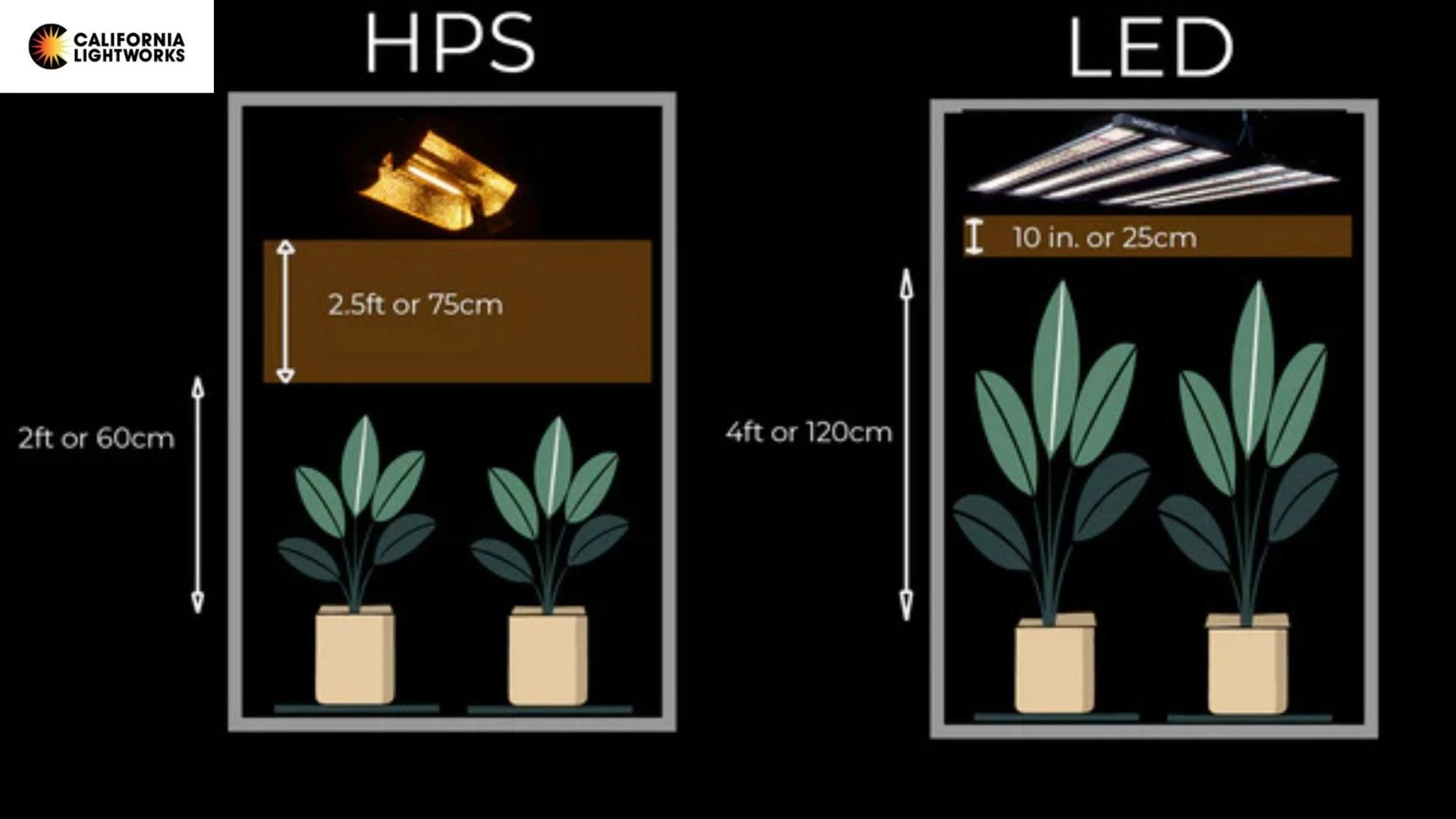
- Adjust Light Height: Keep lights 12-24 inches above plants to ensure optimal light absorption without causing heat stress.
- Set a Light Schedule:
- Vegetative Stage: 16-18 hours of light per day.
- Flowering Stage: 12 hours of light per day.
- Monitor Plant Response: Watch for signs of light stress, such as leaf discoloration or curling, and adjust the intensity accordingly.
6. How to Choose the Right LED Grow Light for Your Plants
Selecting the right LED grow light depends on the type of plants you are growing:
- Leafy Greens & Herbs: Lower wattage (100-200W) works well.
- Flowering Plants & Cannabis: Higher wattage (400W+) for better yields.
- Greenhouses: Consider supplemental lighting to complement natural sunlight.
7. Common Mistakes to Avoid When Using LED Grow Lights
Avoid these common errors to ensure optimal plant health:
- Placing Lights Too Close: Can cause light burn and stress plants.
- Using the Wrong Spectrum: Some LEDs lack a full spectrum, leading to poor growth.
- Ignoring Ventilation: Even LEDs generate some heat, so ensure proper airflow in your grow space.
8. Cost and Energy Efficiency of LED Grow Lights
Although Full Spectrum LED Grow Lights have a higher upfront cost, they offer long-term savings through reduced energy consumption and lower maintenance. Their ability to provide optimal light efficiency leads to better plant health and increased yields, making them a worthwhile investment.
Conclusion
For anyone serious about indoor gardening, Full Spectrum LED Grow Lights are an excellent choice. They provide the ideal balance of light for every growth stage while being energy-efficient and long-lasting. Whether you’re growing herbs, vegetables, or flowers, these lights will ensure healthier plants and better results.
FAQs About Full Spectrum LED Grow Lights
1. Are Full Spectrum LED Grow Lights better than traditional grow lights?
Yes, they use less energy, last longer, and provide the ideal spectrum for plant growth, making them more efficient than traditional lights.
2. How far should Full Spectrum LED Grow Lights be from plants?
Keep them 12-24 inches above the canopy to prevent light burn while ensuring proper exposure.
3. Do plants grow faster under Full Spectrum LED Grow Lights?
Yes, because they receive the optimal light spectrum for photosynthesis and development.
4. Can you leave LED grow lights on 24/7?
No, plants require a dark period for respiration. Follow recommended light cycles based on plant type.
5. What’s the lifespan of Full Spectrum LED Grow Lights?
Most high-quality LED grow lights last between 50,000 to 100,000 hours, significantly longer than other grow light options.


























Sign in to leave a comment.