
Introduction
In today’s competitive IT industry, becoming a full stack developer is one of the most sought-after career paths. Full stack developers are proficient in both front-end and back-end technologies, making them highly valuable to organizations. Among the most popular full stack career options are Full Stack Dotnet and Full Stack Java. But which one is better? This article helps you compare the two and make an informed decision.
Full Stack Dotnet Overview
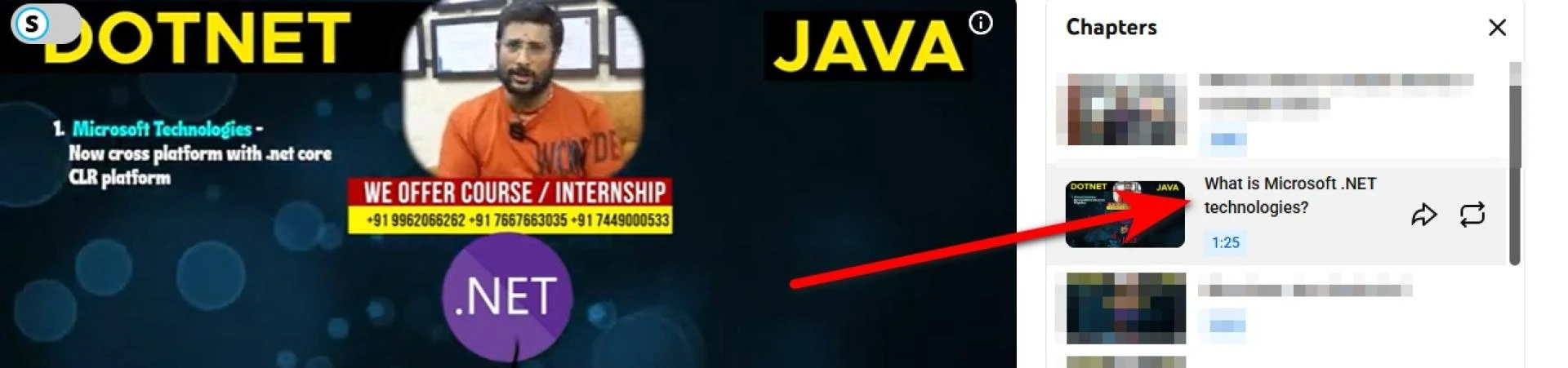
Full Stack Dotnet developers work primarily with Microsoft technologies. They use frameworks like ASP.NET, .NET Core, C#, and SQL Server for backend development, while front-end technologies such as HTML, CSS, JavaScript, and Angular or React complement the stack.
Key Advantages:
- Strong integration with Microsoft ecosystem
- Excellent for enterprise applications
- Robust security and scalable architecture
- Rich support for cloud integration with Azure
Students who enroll in kaashiv infotech dotnet programs gain hands-on experience with these technologies through live projects and industry-aligned training, which makes them job-ready for roles in corporate IT firms.
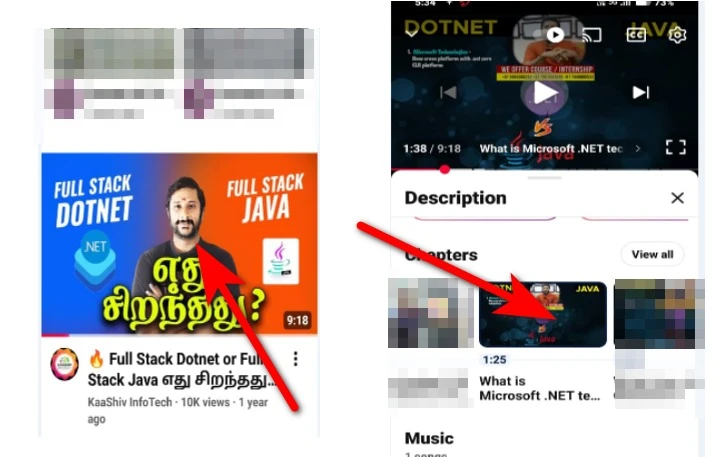
Full Stack Dotnet or Full Stack Java which is best-kaashiv infotech dotnet
Steps in PC:
Full Stack Java Overview
Full Stack Java developers use Java technologies for backend development, along with frameworks such as Spring, Hibernate, and JSP, and front-end technologies like Angular, React, or Vue.js. Java is highly portable and used in various sectors, including banking, e-commerce, and enterprise software.
Key Advantages:
- Platform-independent and cross-platform
- Large open-source ecosystem
- Excellent for scalable enterprise solutions
- Strong community support
Java is widely used in industries that require robust, high-performance applications. Learning Full Stack Java provides flexibility in working with multiple platforms and diverse IT environments.
Comparison: Dotnet vs Java
FeatureFull Stack DotnetFull Stack JavaBackend LanguageC#JavaFrameworks ASP.NET, .NET CoreSpring, HibernateFront-endAngular, React, VueAngular, React, VueDatabaseSQL Server, Azure SQLMySQL, Oracle, PostgreSQLPerformanceEnterprise-level, optimizedScalable and portableLearning CurveModerateModerate to HighIndustry UseMicrosoft ecosystem, corporate ITCross-platform, large enterprises
Both stacks are excellent choices; the decision depends on your career goals, preferred ecosystem, and target industry.
Why Choose Full Stack Development?
Full stack developers are highly in demand. Mastery over both front-end and back-end enhances your problem-solving capabilities and increases your employability. Companies often prefer hiring full stack developers for their ability to handle end-to-end project requirements efficiently.
If you want to expand your skill set, exploring related courses like Cloud Development, ReactJS, or Angular Advanced Modules can complement your main full stack journey.
Learning Path (CTA Section)
Students who aspire to become full stack developers can start with either Dotnet or Java and gradually expand to cloud services, DevOps practices, and front-end frameworks.
For beginners, joining structured programs like kaashiv infotech dotnet or advanced Full Stack Java courses will provide practical exposure, live projects, and mentorship to secure top IT roles.
Conclusion
Choosing between Full Stack Dotnet and Full Stack Java depends on your career goals, industry preference, and interest in specific technologies. Dotnet is ideal for Microsoft-driven enterprise environments, while Java is suitable for cross-platform, scalable applications. Both paths offer excellent career opportunities, and a strong foundation in full stack development will ensure long-term growth in the IT sector.
kaashiv infotech .NET, kaashiv infotech HTML, kaashiv infotech CSS,
Full Stack Development, Dotnet Full Stack, Java Full Stack, ASP.NET Training, C# Programming, SQL Server Basics, Angular JS Learning, React JS Tutorials, Vue JS Basics, Web Development Courses, Frontend Development, Backend Development, Enterprise Application Development, IT Career Skills, Web Design Fundamentals, Responsive Web Design, Dotnet Projects for Practice, Java Projects for Beginners, Full Stack Developer Training




























Sign in to leave a comment.