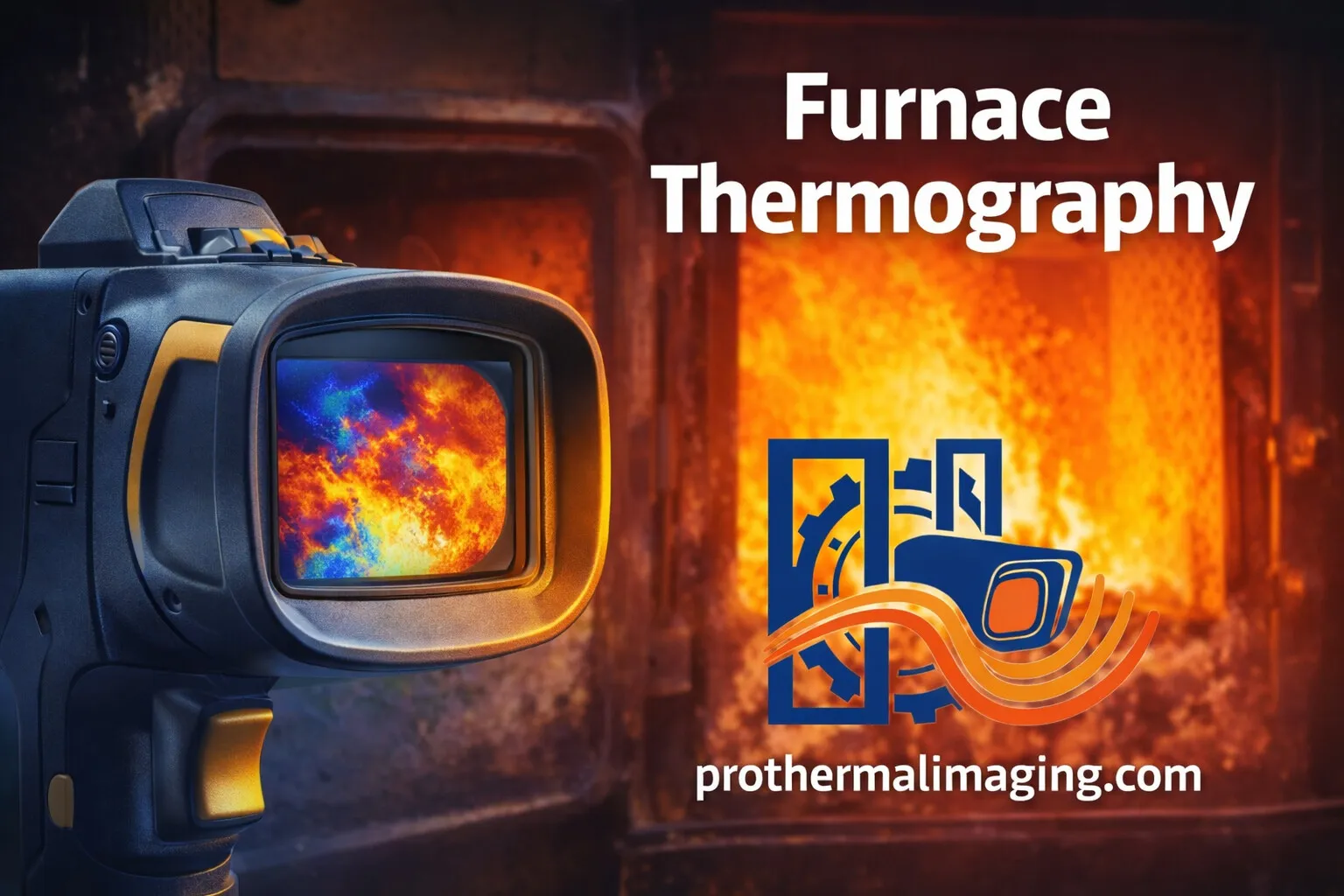
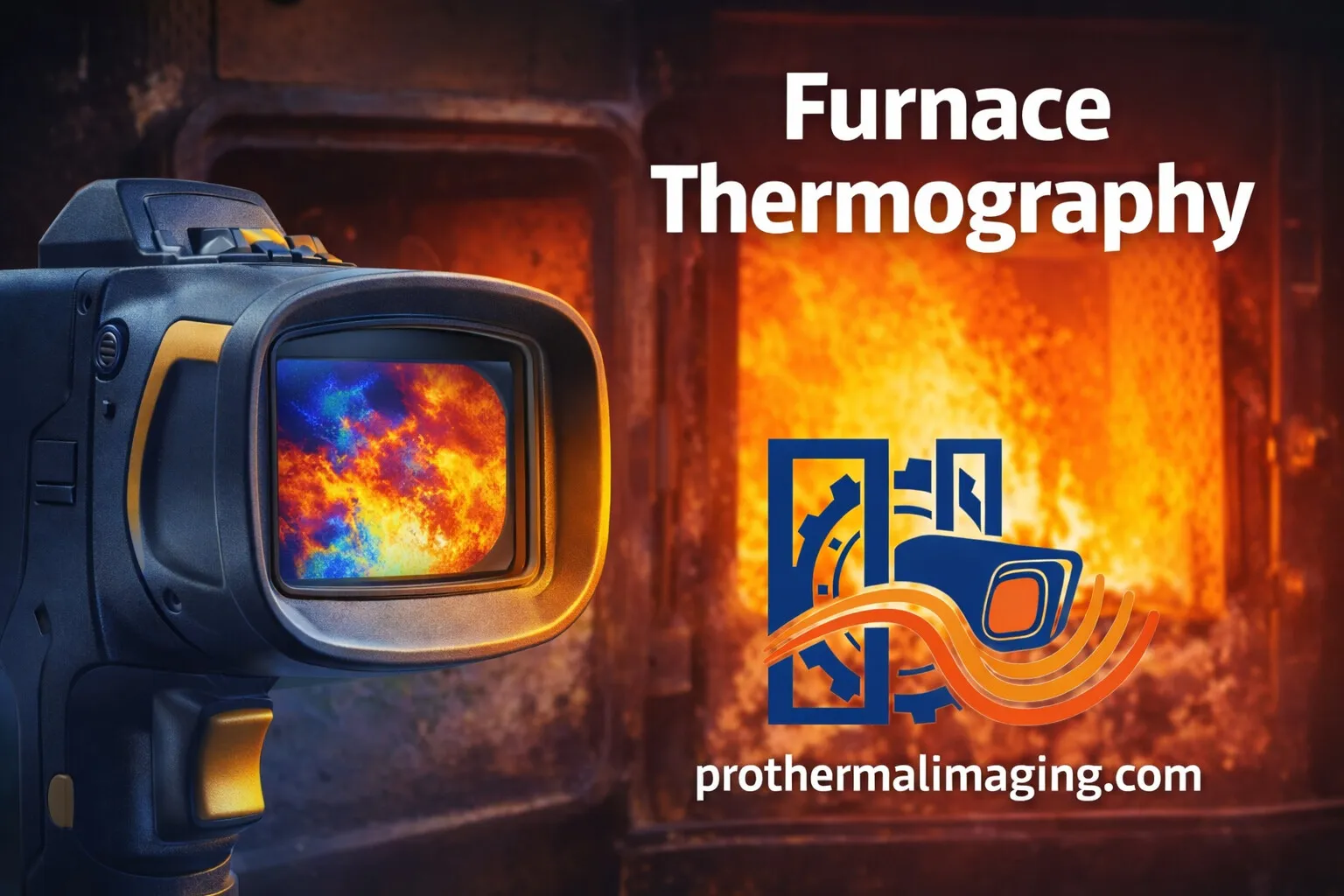
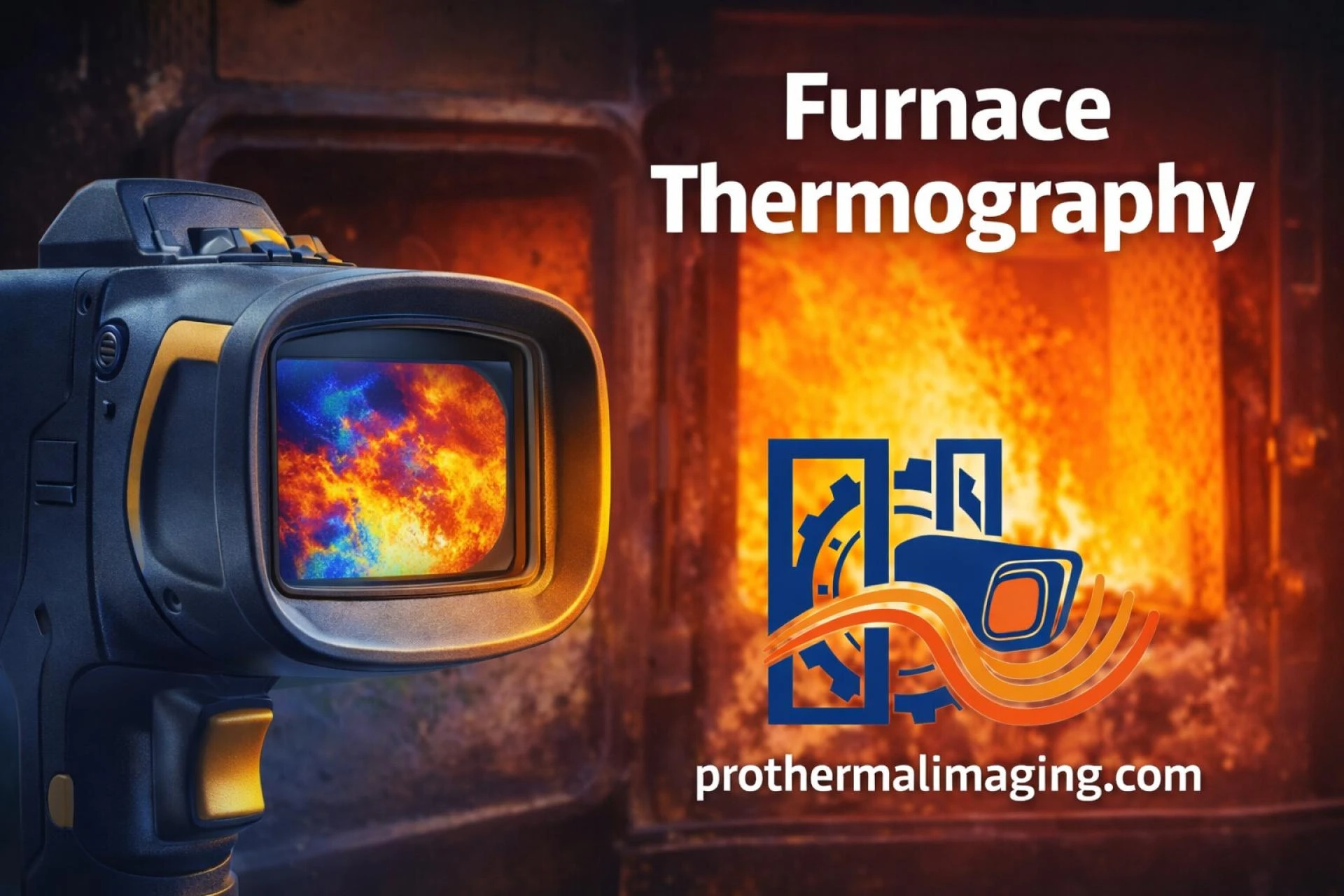
A hidden hot spot can turn into an expensive shutdown before anyone notices. That is why Furnace Thermography matters: it gives plant teams a clear view of tube condition, insulation loss, burner imbalance, and early overheating before damage spreads. For facilities that depend on stable output, that insight helps protect people, assets, and uptime. With the right inspection method, faults are seen sooner, maintenance becomes more focused, and decisions are based on evidence rather than guesswork.
In day-to-day operations, thermal inspection helps teams assess firebox walls, external steel, supports, and tube surfaces without relying only on what the eye can see. Internal temperatures can exceed 1700°C, so the cooling effect of process flow is vital. When flow drops or refractory weakens, tubes may overheat and shorten service life. The company behind this service supports that work with a practical, safety-led approach that suits demanding industrial sites.
ITC Infrared Thermography for sharper inspection skills
For technicians who need stronger diagnostic confidence, ITC Infrared Thermography and OGI trainings a structured route to better measurements, clearer reporting, and more consistent results. The training focus is not theory alone; it helps people interpret thermal patterns, compare equipment behaviour, and identify anomalies with discipline. That matters in plants where small temperature changes can signal larger mechanical or process issues.
ITC Infrared Thermography also helps teams working across electrical and industrial assets, because it builds a shared language for inspection findings. When thermographers understand emissivity, reflected temperature, and camera handling, they can reduce errors and give maintenance teams more useful data. A course built around live applications makes the learning more practical and easier to apply on site. ITC Infrared Thermography can also strengthen confidence during report writing, which matters when findings need to guide repairs quickly. ITC Infrared Thermography works best when paired with field practice.
- Better image interpretation during inspections
- More consistent fault detection across assets
- Stronger report quality for maintenance planning
OGI trainings for leak detection and safety
Gas leaks are not always visible, but their impact can be serious. OGI trainings help personnel use optical gas imaging to spot methane, sulphur hexafluoride, ammonia, carbon monoxide, and carbon dioxide leaks from a safe distance. That means broad areas can be scanned quickly, including hard-to-reach locations, without shutting down systems in many cases.
These sessions also support better communication between field teams and management. Video evidence makes it easier to show where emissions are coming from, what the risk looks like, and which repairs should come first. In oil and gas, power, and other industrial environments, that clarity can improve safety, environmental control, and maintenance planning. OGI trainings are valuable because they turn invisible losses into clear, practical evidence.
This approach fits well alongside gas imaging because both approaches help teams act earlier. A visible heat pattern or a detected leak can reveal the same core truth: hidden problems rarely stay small for long. For that reason, inspection programmes work best when they combine visual evidence, thermal data, and disciplined follow-up.
The same mindset applies when teams review furnace tube condition. Furnace Thermography can highlight local overheating, insulation gaps, and flame impingement that may not be obvious during a routine walk-through. That allows engineers to prioritise repair work, reduce unexpected stoppages, and protect workers near inspection points.
At Prothermalimaging, the goal is to help teams detect issues before they become failures. The company’s focus on predictive condition monitoring matches the needs of plants that want safer operations and more reliable equipment. Furnace Thermography, when used properly, becomes part of a larger maintenance culture built on accuracy and timely action.
Why industrial teams rely on Furnace Thermography
A strong programme usually includes:
- Safety checks before inspection
- Careful visual review of tubes and insulation
- Measurement and documentation
- Repair follow-up and functionality testing
These steps help teams maintain heat efficiency and avoid repeated faults. Furnace Thermography is not only about finding damage; it is about understanding why the damage developed and how to prevent the same issue from returning. That makes it valuable for long-term reliability, not just short-term fault finding. Furnace Thermography also supports better planning by giving maintenance teams a clearer picture of risk before a major event occurs.
OGI trainings and practical leak response
Well-structured OGI trainings also remind teams that technology works best when paired with safe work habits and clear escalation paths. Leak detection is only the first step. The real value comes from locating the source quickly, recording evidence, and acting before loss, exposure, or compliance issues grow. For operators who need dependable inspection methods, that combination is hard to beat.
FAQs
What does a furnace inspection usually focus on?
It typically checks tubes, insulation, supports, burner alignment, and signs of overheating or wear.
Why is thermal imaging useful in inspections?
It helps reveal hidden heat patterns that may point to faults before they become visible damage.
Can gas leaks be checked without stopping operations?
In many cases, optical gas imaging allows safe remote detection while systems remain active.
How often should furnace condition checks be done?
That depends on operating load, asset criticality, and site risk, but routine inspections are strongly advised.
If your team needs a more reliable way to spot heat loss, tube issues, or invisible gas leaks, get in touch with Prothermalimaging. A careful inspection strategy can improve safety, support uptime, and give your maintenance team the evidence it needs to act with confidence.























Sign in to leave a comment.