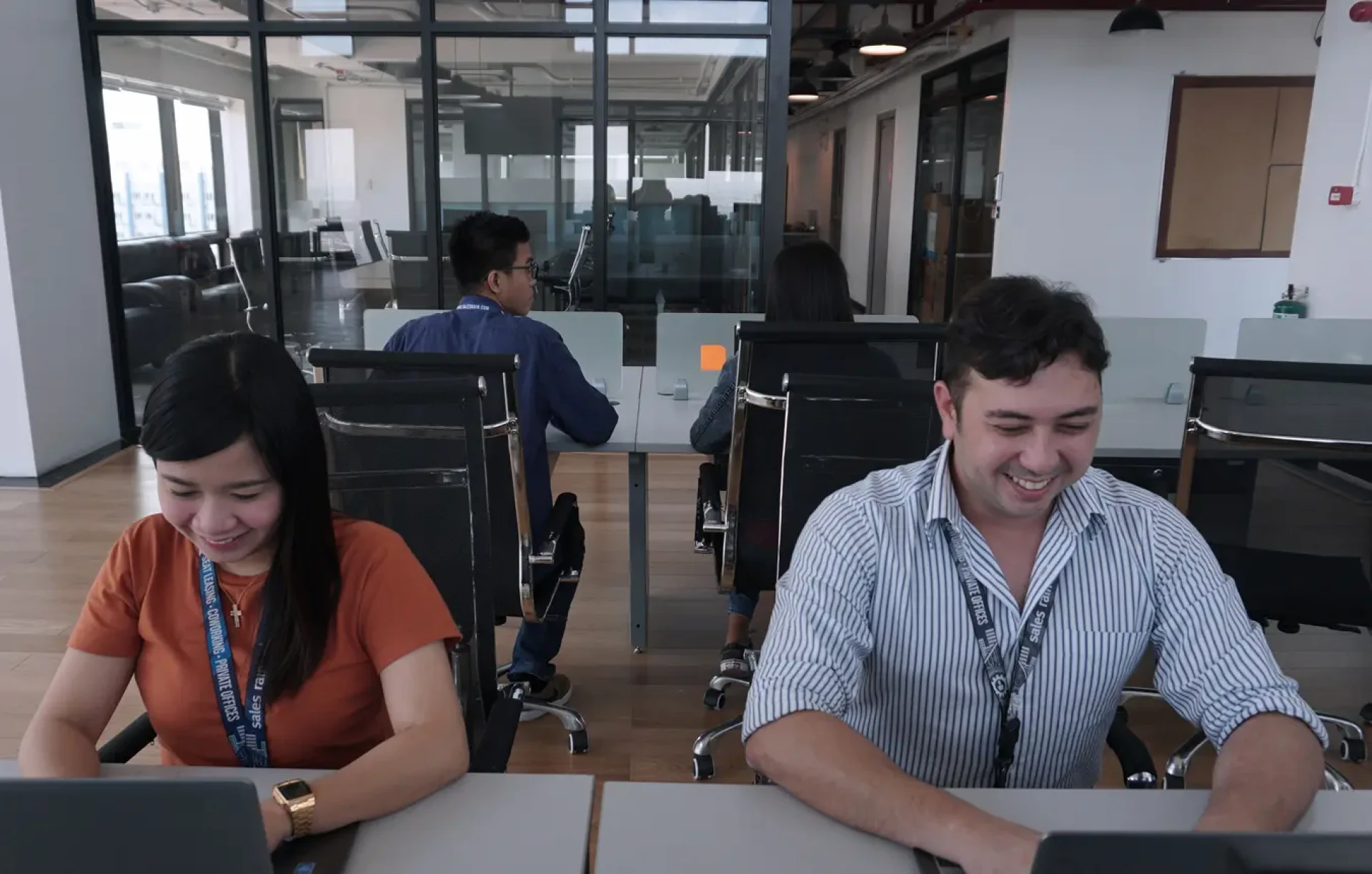

Manila, a bustling hub of innovation and possibility, has grown tremendously in co-working spaces over the past decade. As more professionals and companies welcome flexibility, the need for coordinated and vibrant work settings has extended exponentially. The office co-working space concept has altered conventional work models, delivering solutions incorporating flexibility, cost-efficiency, and community. But what does the future hold for this booming industry in Manila?
Let’s dig into the trends shaping the co-working space in Manila for the coming years.
- Hybrid Work Models Drive Demand
The shift to hybrid work models is among the most significant trends impacting co-working spaces. As businesses adopt flexible schedules, employees seek workspaces that offer professional environments without the rigidity of traditional offices.
- Flexible Options: Co-working spaces provide daily, weekly, or monthly rental plans, making them ideal for remote workers and freelancers.
- Satellite Offices: Companies use co-working spaces as satellite hubs for employees who don’t need to commute daily to central offices.
This adaptability positions co-working spaces in Manila as essential for the evolving work landscape.
2. Focus on Wellness and Productivity
Modern co-working spaces are more than just about desks and Wi-Fi. The future of office co-working space design will prioritize wellness and productivity.
- Ergonomic Furniture: Ensures comfort during long work hours.
- Wellness Zones: Dedicated spaces for relaxation, meditation, and physical activities.
- Natural Light and Greenery: Enhances mental well-being and creativity.
These features cater to professionals who prioritize their health while maintaining productivity.
3. Tech-Driven Co-working Experiences
Technology is at the heart of the co-working revolution. Future co-working spaces will integrate cutting-edge tech to streamline operations and improve user experiences.
- Innovative Booking Systems: Apps to reserve desks or meeting rooms with ease.
- High-speed Internet: Essential for remote work and virtual meetings.
- AI-Enhanced Collaboration Tools: Help teams connect and work seamlessly, even if spread across locations.
In a city like Manila, where tech startups thrive, these innovations make co-working spaces indispensable for modern professionals.
4. Niche and Industry-Specific Co-working Spaces
The rise of niche co-working spaces is an exciting trend. Beyond generic setups, specialized co-working spaces in Manila will cater to specific industries or needs.
- Creative Studios: For artists, designers, and content creators.
- Tech Hubs: Equipped with high-performance computers and technical resources for developers and IT professionals.
- Female-Focused Spaces: Offering safe and empowering environments for women entrepreneurs.
This tailored approach ensures that co-working spaces meet the unique demands of diverse professional groups.
5. Sustainability in Co-working Spaces
Manila’s co-working industry also embraces sustainability, reflecting global efforts to combat environmental challenges. Future office co-working spaces will incorporate:
- Energy-Efficient Designs: Solar panels, LED lighting, and optimized energy usage.
- Green Initiatives: Recycling programs and eco-friendly materials.
- Sustainable Commuting Solutions: Bike racks and partnerships with eco-friendly transport providers.
These practices align with the values of environmentally conscious professionals and businesses.
6. Expansion to Suburban Locations
While Metro Manila remains the epicenter of co-working, these spaces will expand to suburban and emerging business hubs in the future.
- Accessibility: Providing workspaces closer to residential areas reduces commuting time and costs.
- Community Building: Creating vibrant co-working communities in underdeveloped regions fosters local economic growth.
This trend ensures that co-working spaces remain relevant as the city’s infrastructure evolves.
Conclusion: Embrace the Future of Co-working in Manila
The future of co-working spaces in Manila is bright, fueled by trends prioritizing flexibility, technology, and community. As businesses and professionals adapt to changing work dynamics, office co-working spaces will be vital in shaping the next chapter of productivity and collaboration.
Whether you’re a freelancer, startup, or enterprise, investing in a co-working space is more than just a practical choice—it’s a step toward embracing innovation and growth.
Ready to elevate your work experience? Explore a co-working space in Manila today and join the movement shaping the future of work!























Sign in to leave a comment.