Security technology has evolved rapidly over the past decade, and artificial intelligence (AI) is now at the center of this transformation. Traditional surveillance systems were once limited to passive recording, requiring manual monitoring and offering little in terms of proactive security. Today, AI-based CCTV cameras are reshaping how we protect homes, businesses, and public spaces. The future promises even more advanced, intelligent, and automated surveillance solutions that go far beyond simple video recording.
In this blog, we explore how AI is revolutionizing CCTV systems, the key technologies driving this change, and what the future holds for smart surveillance.

The Evolution of CCTV Technology
Conventional CCTV systems relied heavily on human operators to monitor video feeds. These systems recorded footage continuously but lacked the ability to interpret or respond to events. As a result, many incidents went unnoticed or were only discovered after the fact.
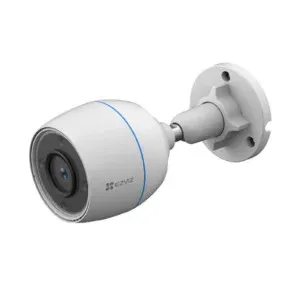
The introduction of wifi-security cameras marked a significant shift by enabling remote access, real-time viewing, and easier installation. However, the real breakthrough came with AI integration. AI-powered cameras can now analyze video data in real time, identify threats, and even trigger automated responses without human intervention.
How AI is Transforming CCTV Cameras
AI-based CCTV cameras are designed to mimic human intelligence by recognizing patterns, detecting anomalies, and making decisions based on data. This transformation has introduced several powerful capabilities.
Smart Motion Detection
Unlike traditional motion detection, which triggers alerts for any movement, AI systems can differentiate between humans, animals, and objects. This reduces false alarms and ensures that users only receive relevant notifications.
Facial Recognition
Facial recognition technology allows cameras to identify individuals and distinguish between familiar faces and strangers. This feature is particularly useful for home security, offices, and restricted areas.
Behavioral Analysis
AI can analyze behavior patterns and detect suspicious activities such as loitering, unusual movement, or unauthorized access. This proactive approach enhances security by preventing incidents before they escalate.
Integration with Smart Home Ecosystems
One of the most exciting aspects of AI-based CCTV cameras is their ability to integrate seamlessly with smart home systems. Modern surveillance devices can connect with smart locks, lighting systems, and alarms to create a fully automated security environment.
For instance, a Two Way Talk Wifi Security Camera allows homeowners to communicate directly with visitors or intruders through a built-in microphone and speaker. This feature adds an extra layer of security by enabling real-time interaction, whether you're at home or away.
Similarly, cameras can trigger smart lights when motion is detected or lock doors automatically if an unknown person is identified. This level of automation is redefining convenience and safety.

Enhanced Video Quality and Data Processing
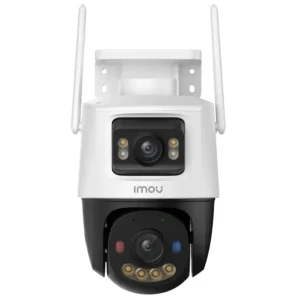
The future of AI-based CCTV cameras also includes significant improvements in video quality and data processing capabilities. High-resolution cameras, such as the Dual 6MP Indoor Wifi CCTV Camera, provide crystal-clear footage, making it easier to identify faces, objects, and events.
AI algorithms can also enhance video quality in low-light conditions, reduce noise, and stabilize footage. Additionally, edge computing allows cameras to process data locally, reducing latency and minimizing the need for constant cloud connectivity.
Real-Time Alerts and Instant Response
One of the key advantages of AI-powered CCTV systems is their ability to provide real-time alerts. Instead of reviewing hours of recorded footage, users receive instant notifications when suspicious activity is detected.
These alerts can include:
- Unauthorized entry attempts
- Unusual movement patterns
- Recognized or unrecognized faces
- Tampering with the camera
This immediate response capability enables quicker action, whether it's contacting authorities or taking preventive measures.
Cloud Storage and Data Security
As CCTV systems become more advanced, data storage and security have become critical considerations. AI-based cameras often use cloud storage to store footage securely and allow easy access from anywhere.
Future developments will focus on enhancing data encryption, ensuring privacy, and providing users with more control over their data. AI will also play a role in organizing and categorizing footage, making it easier to search for specific events.
The Role of AI in Crime Prevention
AI-based CCTV cameras are not just tools for recording incidents—they are becoming essential in crime prevention. By analyzing patterns and predicting potential threats, these systems can act as a deterrent to criminal activity.
For example, AI can identify unusual behavior in public spaces or detect repeated suspicious movements around a property. This proactive approach helps prevent crimes before they occur, making communities safer.
Future Trends in AI-Based CCTV Cameras
The future of AI surveillance is filled with exciting possibilities. Here are some trends that are expected to shape the next generation of CCTV systems:
Advanced Predictive Analytics
AI will become more sophisticated in predicting threats by analyzing historical data and identifying risk patterns. This will enable even more proactive security measures.
Voice Control and Automation
Integration with voice assistants will allow users to control their CCTV systems using simple voice commands. This will enhance convenience and accessibility.
Improved Privacy Features
As concerns about privacy grow, future AI systems will include features such as data anonymization and customizable privacy settings to protect users' personal information.
Autonomous Security Systems
AI-powered cameras will increasingly operate independently, making decisions and taking actions without human input. This includes activating alarms, locking doors, or notifying emergency services automatically.
Benefits for Homes and Businesses in Pakistan
In Pakistan, where security concerns are a top priority for many households and businesses, AI-based CCTV cameras offer a reliable and efficient solution. These systems are particularly beneficial in urban areas, where monitoring large spaces can be challenging.
The adoption of wifi-security cameras has already made surveillance more accessible, and AI is taking it to the next level by providing intelligent monitoring and automation. Whether it's a small home or a large commercial property, AI-based systems can be customized to meet specific security needs.
Challenges and Considerations
While AI-based CCTV cameras offer numerous advantages, there are also challenges to consider:
- Initial setup costs can be higher compared to traditional systems
- Privacy concerns related to facial recognition and data storage
- Dependence on internet connectivity for certain features
However, ongoing advancements in technology are addressing these challenges, making AI surveillance more affordable, secure, and reliable.

























Sign in to leave a comment.