Installing an outdoor CCTV camera is one of the smartest steps you can take to protect your home or business. With rising security concerns in Pakistan, more people are turning to surveillance systems to safeguard their property. However, beginners often feel confused about where to start and how to install cameras properly.
The good news is that modern CCTV systems are user-friendly and easy to set up. With the right guidance, you can install your outdoor cameras efficiently and ensure maximum coverage and security.
In this blog, we will walk you through practical and easy-to-follow outdoor CCTV camera installation tips for beginners.
Why Outdoor CCTV Cameras Are Important
Outdoor CCTV cameras act as your first line of defense against theft, vandalism, and unauthorized access. They monitor entry points, surroundings, and open areas where most incidents occur.
One of the biggest advantages is deterrence. Visible cameras discourage criminals from targeting your property. Additionally, recorded footage can serve as evidence if any incident takes place.
Modern cameras equipped with night vision camera technology provide clear footage even in complete darkness, ensuring 24/7 protection.
Choosing the Right Outdoor CCTV Camera
Before installation, selecting the right camera is crucial. Beginners should focus on reliability, durability, and essential features.
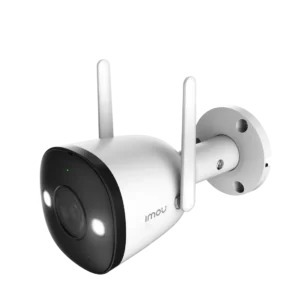
The Imou Bullet 2E 3MP Night Vsion Outdoor Wifi Camera is an excellent choice for beginners due to its easy setup, weather resistance, and clear video quality. It is suitable for monitoring entrances and outdoor spaces.
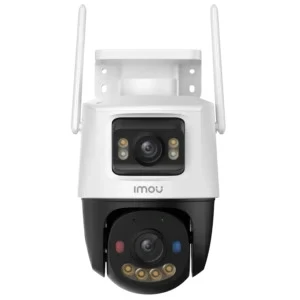
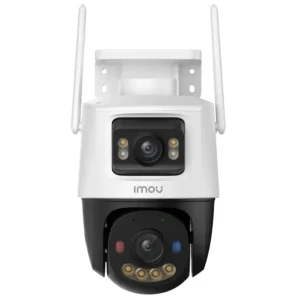
For those looking for a solar-powered option, the Imou Cell PT Kit 3MP Wifi Solar camera is ideal. It works efficiently in areas with limited electricity and provides flexible installation options.
Choosing the right camera ensures a smoother installation process and better long-term performance.
Planning Your Camera Placement
Proper planning is the foundation of an effective CCTV system. Poor placement can lead to blind spots and reduced security.
Start by identifying key areas that need monitoring. These include main gates, entrances, driveways, garages, and backyards. These are the most common points of entry for intruders.
Install cameras at a height of 8 to 10 feet. This height provides a wide viewing angle while keeping the camera out of reach from tampering.
Avoid pointing cameras directly at bright lights or the sun, as this can affect video quality. Instead, position them at angles that provide clear and balanced lighting.
Ensure Proper Coverage
Each camera should cover a specific area without overlapping too much with others. Overlapping can waste resources, while gaps in coverage can leave your property vulnerable.
Wide-angle cameras are useful for covering large areas, while narrow-angle cameras are better for focused monitoring such as entry points.
Test the camera’s field of view before final installation to ensure it captures everything you need.
Secure Mounting and Installation
Mounting your camera properly is essential for stability and performance. Loose or poorly installed cameras can shift position or get damaged over time.
Use strong brackets and screws suitable for outdoor use. Make sure the surface you are mounting on is solid, such as a wall or ceiling.
If you are installing on a pole or metal surface, use appropriate clamps or mounts for extra support.
Weatherproofing is also important. Ensure all connections are sealed to protect against rain and dust.
Managing Power Supply
Outdoor cameras require a reliable power source. Depending on your setup, you can choose between wired or wireless options.
Wired cameras need proper cable management to prevent damage and maintain a clean installation. Keep cables hidden and secure them properly along walls or ceilings.
Wireless cameras are easier to install and reduce the need for complex wiring. Solar-powered options like the Imou Cell PT Kit 3MP Wifi Solar camera are especially useful for areas with limited electricity.
Always ensure your camera has a stable power supply to avoid interruptions.
Setting Up Connectivity
Most modern CCTV cameras connect to the internet, allowing remote monitoring through mobile apps.
Ensure your WiFi signal is strong in the installation area. Weak signals can cause delays or interruptions in live footage.
If your outdoor area is far from your router, consider using a WiFi extender to improve connectivity.
After connecting your camera, test the live view and ensure it is working smoothly on your smartphone.
Adjusting Camera Settings
Once your camera is installed, take time to adjust its settings for optimal performance.
Set the correct resolution to balance video quality and storage usage. High resolution provides clearer footage but requires more storage space.
Enable motion detection to receive alerts when movement is detected. This helps you respond quickly to potential threats.
Adjust sensitivity levels to avoid false alarms caused by animals or environmental factors.
Testing Your System
Testing is a crucial step that beginners often overlook. After installation, check each camera thoroughly to ensure it is functioning properly.
Review live footage and recorded videos to confirm clarity and coverage. Walk around your property to see if the camera captures all important areas.
Test night vision performance to ensure visibility in low-light conditions. Cameras with night-vision-camera capabilities should provide clear images even in complete darkness.
Regular testing helps identify issues early and ensures your system is reliable.
Maintenance Tips for Long-Term Performance
Installing your CCTV system is just the beginning. Proper maintenance is necessary to keep it running efficiently.
Clean camera lenses regularly to remove dust and dirt that can affect video quality.
Check all connections and mounts to ensure they remain secure.
Update firmware and software to access new features and security improvements.
Inspect cables and power sources periodically to prevent unexpected failures.
Common Mistakes to Avoid
Beginners often make simple mistakes that can reduce the effectiveness of their CCTV system.
Avoid installing cameras too low, as they can be easily tampered with.
Do not ignore blind spots. Always check coverage areas carefully.
Avoid placing cameras in areas with poor lighting without proper night vision support.
Do not skip testing and maintenance, as these are essential for long-term performance.
Future of Outdoor CCTV Systems
Outdoor CCTV technology is evolving rapidly. Modern systems now include artificial intelligence, facial recognition, and smart tracking features.
Wireless and solar-powered cameras are becoming more popular due to their convenience and flexibility. These advancements make it easier for beginners to install and manage their security systems.
Also Read: How Solar CCTV Cameras Work in Pakistan’s Weather Conditions
As technology continues to improve, outdoor CCTV cameras will become even more efficient and user-friendly.




















Sign in to leave a comment.