

The computer hardware & software industry is at the heart of digital transformation. The digital transformation landscape encompasses cloud computing and artificial intelligence to automation and secure transactions, all of which rely on high-performing computer hardware and software as well as IT infrastructure.
In the B2B landscape, no longer are enterprises simply buying technology; they want something better than technology; they want intelligence, something scalable, or a solution that allows for collaboration.
According to Statista, global IT expenditure is forecasted to easily exceed the $5 trillion range in 2024 and will significantly include a portion of B2B hardware and software spend. The increase in spending shows how important the hardware and software industries are, as they have established a means of efficiency, productivity, and value for innovation.
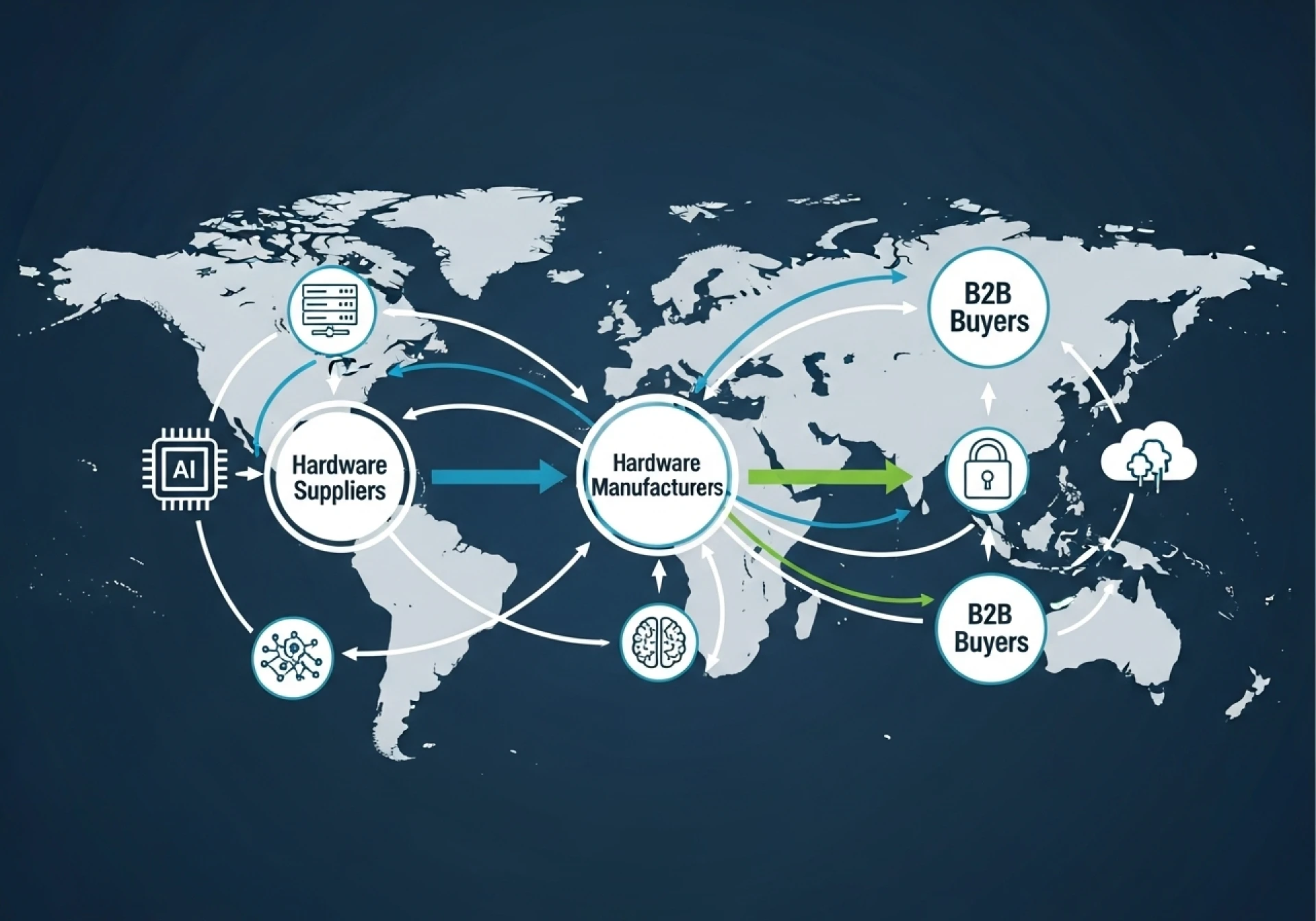
In this article, we will look at the future of B2B trade in computer hardware & software, the trends to take note of, how businesses are evolving to remain relevant, and how solutions such as B2B Portals are changing the way enterprises engage, collaborate, and trade through digital platforms.
The Shifting Landscape of B2B Trade
Digital Transformation as a Driving Force
Digitalization is redefining B2B trades of computer hardware & software. Users are moving beyond traditional purchase cycles and instead having greater access to cloud-based marketplaces that allow for faster procurement of devices, real-time collaboration, and price transparency.
Increasing Demand for Scalable Hardware
Today, organizations desire hardware solutions that can be tied to the digital marketplace seamlessly. The demand for scalable infrastructure is accelerating, and growing from high-performance servers to IoTs.
The Rise of Software-as-a-Service (SaaS)
Software-as-a-service (SaaS) models are changing the B2B landscape. Buyers are not spending much on physical hardware upfront anymore. Instead, they are subscribing to software that allows for flexibility, updated versions, or regular releases in exchange for a subscription fee.
Key Trends Shaping the Future

1. Cloud Computing and Virtualization
According to a Forbes report, nearly 94% of enterprises already use some level of cloud services. For B2B buyers, that means reliance on cloud-compatible hardware and software. Hardware is no longer about the physical. Hardware also includes virtual servers, storage, and networks.
2. Artificial Intelligence in B2B Software
Additionally, AI-powered solutions are making everything (from supply chain management to predictive maintenance) better and more efficient. Where hardware is concerned, AI-powered chips are giving more processing power, so fast data can be processed in real time, leading to quicker decision-making.
3. Cybersecurity as a Priority
As organizations continue to depend on digital trade, the inability to protect that trade becomes a liability. B2B users demand that hardware has security features built in and that software has end-to-end encryption. According to a McKinsey report, cybersecurity investments will be more than $214 billion in
4. Sustainability in Hardware Manufacturing
Green computing has affected purchasing decision-making. Companies are seeking vendors with energy-efficient servers, recyclable parts, and sustainable manufacturing methods.
Opportunities in B2B Hardware & Software Trade
Expanding Global Marketplaces
Trade in IT products across town, then country, then overseas is booming. With platforms like Pepagora 2.0, businesses can go global and connect buyers and suppliers of computer hardware & software.
Data-Driven Decision Making
With advanced analytics, companies can now manage inventory, be more accurate in demand forecasting, and optimize buying strategies. This will lower costs and create operational efficiencies.
Integration with Emerging Technologies
We see hardware and software providers bringing in new capabilities via blockchain, AR/VR, and IoT. For example, blockchain-based software brings more transparency to business-to-business transactions. IoT-enabled devices will improve connectivity among users.
Explore this blog: Buy & Sell Laboratory Equipment: Chennai
Challenges in the Future of B2B Trade
Supply Chain Disruptions
The last couple of years have also exposed vulnerabilities in the supply chains of hardware, especially with the semiconductor shortage. Looking ahead, business-to-business strategies need to focus on building resilience and diversified sourcing.
Data Privacy Regulations
With regulations like the global GDPR and India's Digital Personal Data Protection Act, companies must keep their software solutions compliant.
Customization vs. Standardization
B2B clients typically want a solution tailored for them. Deciding how to do bespoke development for software while developing scalable hardware solutions will be the greatest challenge.
Empowering the Next Era of B2B Trade
Pepagora 2.0 introduces a new wave of digital B2B Trade. A digital platform for simplicity in business interaction, Pepagora connects buyers and suppliers in the computer hardware & software industry while complementing its ability as a simple, easy marketplace to facilitate better product selling and sourcing, improved supplier diversity, and so many other enhancements, including:
- Intelligent Product Listings: Clear specifications on hardware and software solutions.
- Global Exposure: Connecting businesses across different geographies, facilitating incredible opportunities for commerce.
- Percolative Transactions: Built-in security for safe B2B deals.
- User-Centric Experience: Innovative, tactile, and easy to place orders; faster procurement!
- Scalability: Fully operational for small businesses to large corporations alike.
For companies in IT, Pepagora 2.0 is your single marketplace to source trustworthy hardware and software while streamlining all of your digital trade processes!
Connect to learn more about a recently launched b2b portal 2.0 version
Final Thought
The future outlook of B2B trade in the computer hardware & software space is promising, positive, and foretelling, as businesses across digital innovation, global markets, and smarter technology usage are mostly positively skewed from everywhere we look. No matter where your focus lies, whether with AI-driven software or cloud-friendly hardware, we see enterprises moving toward software and hardware solutions for the typical key factors: scalability, security, and sustainability.
With products like Pepagora 2.0, businesses now know they have a welcome partner ecosystem where they can easily find products, forge partnerships, aid in the emergence of productive nations, and scale globally. To be clear, there is no going back for any player in this ever-evolving industry. Staying ahead of trends using digital B2B portals is an essential part of doing business for any organization looking to maintain, scale, and thrive!

























Sign in to leave a comment.