

Have you ever thought about what skills are the bit that separates a successful B2B marketplace from one that fails to gain traction? Building a B2B Marketplace involves more than just technical abilities-it takes strategic vision, user empathy, and operational rigor.
A study by Forrester showed that 59% of businesses invest $3 million or more to launch a marketplace, yet 61% of those brands report internal skills gaps as a major issue with execution.

In this article, we will outline the fundamental skills to develop a market strategy, tech stack, UX, and vendor relationships-allowing your platform to launch more quickly, grow more intelligently while avoiding errors. Along with this, we will add a quick 100-word recap of the Pepagora 2.0 launch, demonstrating the alignment of these essential skills.
Strategic & Market Insights
Knowing Your Niche Ice & Buyer Needs
Every success starts with a strategy in mind. Clearly define what industries you are targeting, understand the problems of your buyers, and create customer journeys that represent how your platform can solve serious business problems.
Competitor & Market Research
Research macro trends and validate market demand. Use Statista, Economic Times, McKinsey reports, and other tools to illustrate the growth potential of your market. By 2025, TreviPay estimates that B2B marketplaces will grow from 7% of online B2B sales to 14%
Technical Execution Skills
UX & Platform Design
B2B buyers are looking for efficiency, with concise navigation, bulk ordering, and clear workflows, recognizing that they need devices that support embedded reordering, product comparisons, and, at worst, simple registration.
Development & Infrastructure
You'll need technical competencies like API integrations (payment and logistics), data modelling, and scalable architecture-which should be cloud-native. A meaningful tech stack means you'll never hit a wall with performance after you launch.
Relationship Building & Vendor Management
Introducing your marketplace and establishing trust:
Your marketplace is successful when suppliers feel confident and can get started quickly. Offer them onboarding support, assistance in setting up product listings, and other escrows like verified badges and reviews as trust signals.
Seller engagement and retention
It is important to maintain quality and activity with sellers through regular communication, performance dashboards, and incentives. Provide sellers with data about the marketplace to help them grow and enhance their loyalty.
Data, Analytics & Optimization
There are crucial metrics to track, including order volume, average deal size, conversion rates, product performance, and other critical data points. Leverage analytics to:
- Discover points of friction
- Improve the user experience
- Maximize seller performance
These insights also enable you to iterate more quickly while remaining involved in your marketplace goals.
Project Management & Team Leadership
Creating a marketplace successfully involves aligning teams from across technology, operations, and commerce, working together. Forrester outlines internal skills/knowledge gaps as the biggest barrier (61%) to success (nauticalcommerce.com). Having clear timelines, phased launches, and agreed accountability all help keep the overall project on track.
Pepagora 2.0 Launch in Focus
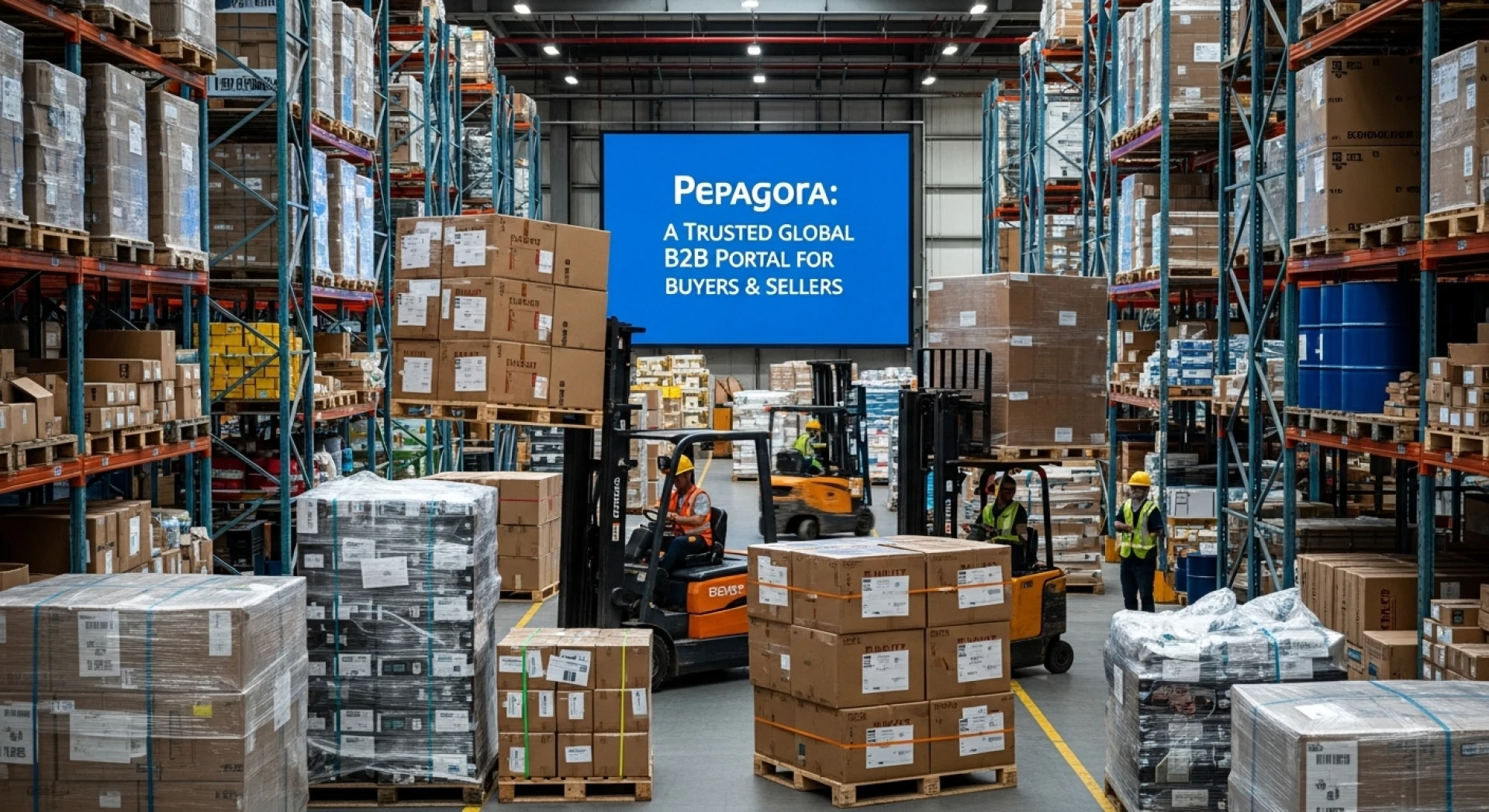
Pepagora’s 2.0 festival launch is an example of all these skills coming together. It leverages extensive market knowledge with a good user experience, a strong technical architecture, and removes friction when onboarding vendors. The new platform comes with AI matching, verified supplier badges, and a mobile-first experience. These capabilities represent the ability to align skills - strategic problem solving, technical acumen, product project management, and analytics to move above the pack in a B2B marketplace.
Final Thoughts
When delivering a B2B marketplace, the skills that account for the most success align strategy, UX design, technical execution, vendor relationship management, and data analytics management. Ultimately, success is not about individual skillsets, but where they all come together at the right time to provide a seamless, fulfilling experience for buyers and sellers.
Final tip: get on the skill development as early as possible- lock in industry vertical expertise, hire for UX and technical excellence, and set your team up with appropriate tools to improve their analytics capability. That's how you have a sustainable marketplace.
FAQs
Q: What’s the single most important skill when building a B2B marketplace?
Strategic market insight ensures your platform solves real needs, not just looks attractive.
Q: How can I address internal knowledge gaps?
Invest in diverse hiring: product managers, UX designers, engineers, operations experts, and promote cross-functional collaboration.
Q: Should I build analytics from day one?
Yes. Early insights inform better decisions and allow faster iteration.



























Sign in to leave a comment.