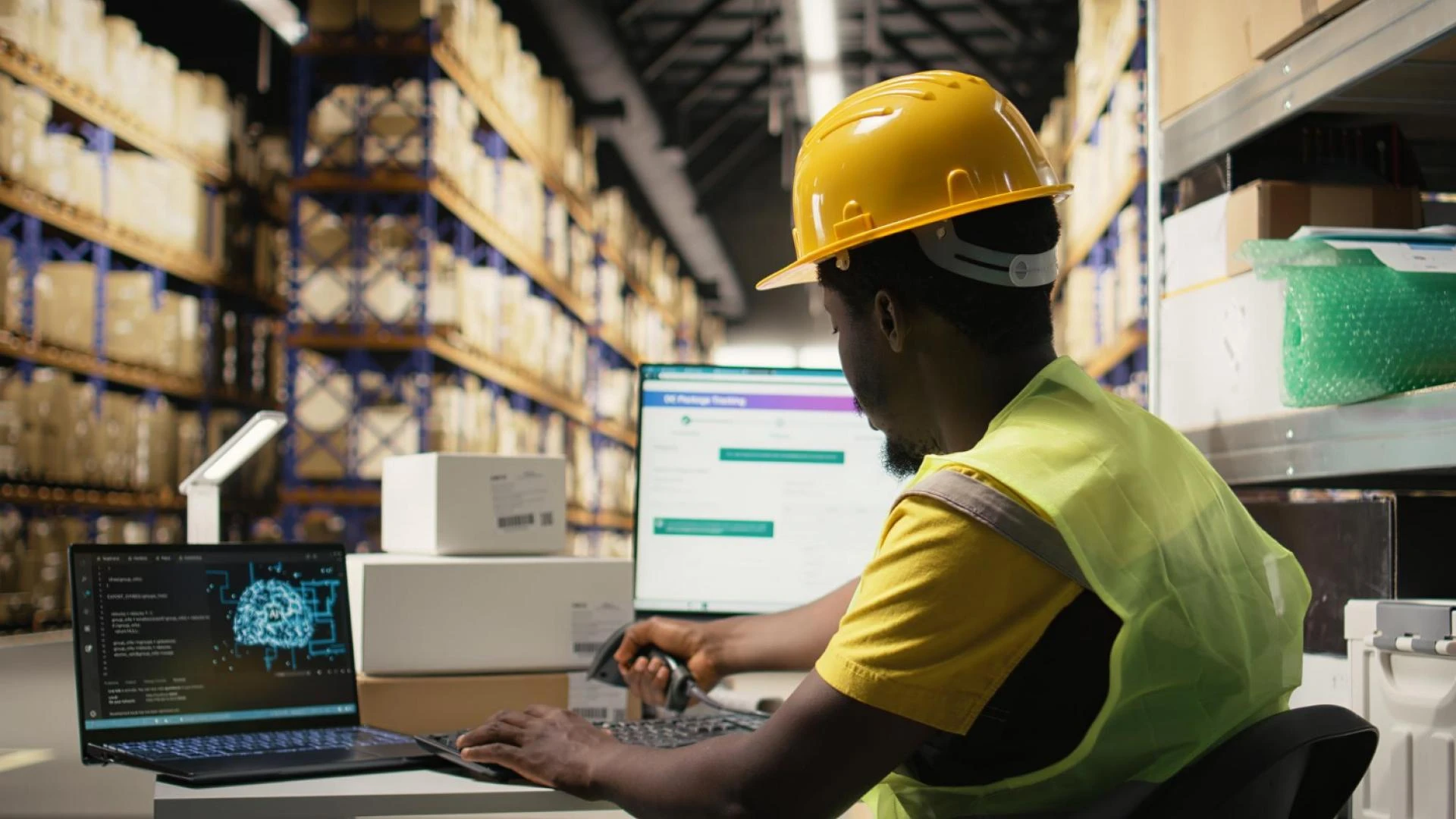

The logistics sector is entering a new era powered by data and intelligent automation. Rising customer expectations, global supply chain disruptions, and growing operational costs are pushing companies to rethink traditional models. This shift is accelerating the adoption of AI in the logistics industry.
From smarter demand forecasting to autonomous deliveries, the future of AI in logistics is focused on speed, accuracy, and resilience. Businesses that embrace these innovations are already seeing measurable improvements in efficiency and customer satisfaction.
In this article, we explore the most important AI trends in logistics and how artificial intelligence in supply chain operations is reshaping transportation, warehousing, and last mile delivery.
Predictive Analytics and Demand Forecasting
Predictive intelligence is becoming the backbone of modern supply chains. By analyzing historical and real time data, AI powered logistics solutions help businesses anticipate demand and prepare for disruptions.
AI Driven Demand Prediction
AI demand forecasting supply chain tools analyze sales history, seasonal trends, and market signals to predict future demand. This helps businesses maintain optimal inventory levels. Accurate forecasts reduce stockouts and improve order fulfillment rates.
Risk and Disruption Forecasting
Predictive analytics in logistics can identify potential risks such as weather disruptions, port congestion, or supplier delays. Early alerts allow companies to take preventive action. This improves supply chain resilience and reduces costly surprises.
Inventory Optimization
AI models continuously adjust inventory recommendations based on demand patterns and lead times. Businesses can avoid overstocking while maintaining service levels. This is one of the key benefits of AI in logistics operations.
Autonomous Vehicles and Smart Fleet Management
Transportation is undergoing a major transformation. AI powered fleet intelligence is improving safety, efficiency, and vehicle utilization across logistics networks.
Self Driving Trucks
Self driving trucks are gradually moving from pilot programs to real world deployments. These vehicles use sensors, computer vision, and machine learning to navigate roads safely. They promise reduced labor costs and longer operating hours in the future.
AI Based Fleet Optimization
AI powered logistics software analyzes traffic, delivery schedules, and vehicle capacity to optimize fleet movement. This improves route efficiency and reduces empty miles. It also strengthens the role of AI in transportation management.
Predictive Vehicle Maintenance
AI systems monitor engine data, vibration patterns, and usage history to predict potential failures. Maintenance can be scheduled before breakdowns occur. This reduces downtime and extends vehicle lifespan.
AI Powered Warehouse Automation
Warehouses are becoming smarter and more autonomous. AI applications in warehouse management are helping companies handle higher order volumes with greater accuracy.
Robotics and Automated Picking
AI driven robots assist with picking, sorting, and packing operations. They work alongside human staff to increase speed and accuracy. Many AI powered logistics solutions now include robotic process automation for warehouses.
Smart Inventory Tracking
Computer vision and intelligent sensors track inventory movement in real time. This reduces manual counting and improves stock accuracy. Businesses gain better visibility across storage locations.
Warehouse Layout Optimization
AI analyzes order flow, product velocity, and space utilization to recommend optimal warehouse layouts. This reduces travel time inside the facility. It also improves overall warehouse productivity.
Real Time Visibility with IoT and AI Integration
End to end visibility is becoming non negotiable in modern supply chains. The combination of IoT and artificial intelligence in supply chain systems is enabling continuous monitoring across logistics networks.
End to End Shipment Tracking
Real time tracking platforms provide complete visibility from origin to final delivery. Businesses and customers can monitor shipment status at every stage. This is a core capability of AI powered logistics software.
Smart Sensors and IoT Devices
IoT sensors monitor temperature, humidity, shock levels, and location during transit. AI analyzes this data to detect anomalies. This is especially valuable for sensitive or high value shipments.
Control Tower Dashboards
Control tower dashboards bring together data from transportation, warehousing, and inventory systems. Decision makers get a unified operational view. This enables faster and more informed responses.
AI in Last Mile Delivery Optimization
The last mile remains the most expensive part of logistics. AI trends in logistics are heavily focused on improving speed and efficiency at this final stage.
Hyperlocal Route Optimization
AI powered routing engines analyze traffic, delivery density, and time windows to create hyper efficient routes. This reduces delivery time and fuel consumption. It also improves first attempt success rates.
Drone and Robot Deliveries
Autonomous drones and delivery robots are being tested in urban and remote areas. They help reduce human dependency and speed up deliveries. While still evolving, they represent the future trends in logistics technology.
Customer Experience Personalization
AI analyzes customer preferences, delivery history, and behavior patterns. Businesses can offer personalized delivery slots and proactive updates. This significantly improves customer satisfaction.
AI Driven Sustainability and Green Logistics
Sustainability is now a strategic priority. AI powered logistics solutions are helping companies reduce environmental impact while maintaining efficiency.
Fuel Consumption Optimization
AI models optimize routes and driving patterns to minimize fuel usage. Businesses can reduce transportation costs and emissions simultaneously. This is one of the major benefits of AI in logistics operations.
Emission Monitoring
Advanced analytics track carbon emissions across fleets and facilities. Companies can measure their environmental footprint accurately. This supports regulatory compliance and sustainability goals.
Sustainable Supply Chain Planning
AI helps businesses choose greener suppliers, optimize load planning, and reduce waste. Smarter planning leads to more sustainable logistics networks. It also strengthens brand reputation.
Blockchain and AI Integration in Logistics
The combination of blockchain and AI is improving trust and transparency across supply chains. Together, these technologies address long standing visibility and security challenges.
Secure Smart Contracts
Blockchain based smart contracts automate transactions between logistics partners. AI validates data inputs and triggers contract execution. This reduces paperwork and speeds up settlements.
Fraud Detection and Risk Management
AI algorithms analyze transaction patterns to detect anomalies and suspicious activities. This helps prevent fraud and cargo theft. Risk management becomes more proactive and data driven.
Improved Supply Chain Transparency
Blockchain creates an immutable record of shipment events. AI enhances this data with predictive insights. Businesses gain deeper visibility across multi partner supply chains.
Generative AI and Intelligent Automation
Intelligent automation is expanding beyond analytics into everyday logistics workflows. These capabilities are becoming essential components of AI powered logistics software.
AI Chatbots for Logistics Support
AI chatbots handle shipment inquiries, delivery updates, and support requests instantly. They reduce the burden on customer service teams. Response times improve significantly.
Automated Documentation Processing
AI tools extract and validate data from invoices, bills of lading, and shipping documents. This reduces manual paperwork and human errors. Processing cycles become much faster.
Decision Intelligence Systems
Decision intelligence platforms combine analytics, machine learning, and business rules. They recommend optimal actions for routing, inventory, and capacity planning. This helps leaders make faster strategic decisions.
Challenges and Considerations for AI Adoption
Despite the advantages, implementing AI powered logistics solutions requires careful planning. Businesses must address several practical challenges.
Data Privacy and Security
AI systems rely heavily on large volumes of operational data. Protecting this data is critical. Strong governance, encryption, and access controls are essential.
Integration with Legacy Systems
Many logistics companies still operate on older platforms. Integrating AI with legacy infrastructure can be complex. A phased modernization approach often works best.
High Implementation Costs
Initial investment in AI technologies can be significant. However, long term efficiency gains often justify the cost. Partnering with the right custom AI software development company can optimize ROI.
Conclusion
The future of AI in logistics is both exciting and transformative. From predictive analytics in logistics to autonomous transportation and intelligent warehouses, artificial intelligence in supply chain operations is redefining how goods move around the world.
Companies that adopt these AI trends in logistics early will gain a strong competitive edge. They will operate faster, smarter, and more efficiently. If you are exploring AI powered logistics software, now is the time to invest and innovate.
Working with an experienced custom AI software development company can help you design scalable solutions tailored to your logistics needs. The future of logistics belongs to businesses that combine data, intelligence, and agility.





























Sign in to leave a comment.