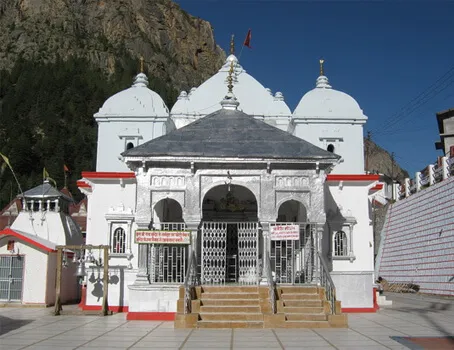

Gangotri Temple is one of the most important shrines in the Char Dham Yatra of Uttarakhand, dedicated to Goddess Ganga. Situated in the Uttarkashi district at an altitude of around 3,100 meters, the temple lies on the banks of the sacred Bhagirathi River, which is considered the primary source of the River Ganga. Surrounded by snow-covered peaks, dense forests, and a serene Himalayan landscape, Gangotri is not only a place of worship but also a destination that represents purity, devotion, and spiritual awakening.
The legend of Gangotri Temple is deeply rooted in Hindu mythology. According to ancient scriptures, Goddess Ganga descended to Earth to cleanse the sins of mankind. However, her descent was so powerful that it could have destroyed the Earth. To control her force, Lord Shiva caught the river in his matted locks and released her gently in multiple streams. One of these streams emerged as the River Bhagirathi at Gangotri. It is believed that King Bhagirath performed intense penance at this very location to bring Ganga down from heaven to purify the souls of his ancestors. The temple stands as a tribute to this divine story and symbolizes the power of devotion and perseverance.
The present structure of Gangotri Temple was built in the early 18th century by the Gorkha General Amar Singh Thapa. Over time, it has been maintained and restored due to the harsh Himalayan climate. Despite its relatively simple architecture made of white granite, the temple holds immense spiritual significance. The sacred idol of Goddess Ganga is placed inside the sanctum, and pilgrims from all over India visit to offer prayers and seek blessings for purification and liberation.
One of the most spiritually enriching experiences at Gangotri Temple is the evening Ganga Aarti. The aarti takes place every day after sunset, usually between 6:00 PM and 7:00 PM, depending on the season. During this time, priests perform rituals with oil lamps, chanting hymns and mantras dedicated to Goddess Ganga. The sound of bells, flowing river water, and devotional songs create an atmosphere of deep spiritual energy. Pilgrims gather along the riverbank to witness this divine ceremony, which is considered one of the most peaceful and powerful experiences in the Char Dham Yatra.
The morning rituals at Gangotri are equally serene. The temple opens early, and devotees can participate in prayers and offer flowers, milk, and other traditional offerings. The calm environment during early hours, combined with the sound of the river, makes it a deeply meditative experience. Many pilgrims prefer to visit during these quiet hours to avoid crowds and spend time in reflection.
Gangotri Temple also serves as the gateway to several important nearby attractions that add to the overall experience of the yatra. One of the most significant sites is Gaumukh Glacier, which is considered the actual origin of the River Ganga. Located around 18 kilometers from Gangotri, Gaumukh requires a trek through rugged mountain paths and is popular among adventure seekers and spiritual travelers alike. The glacier resembles a cow’s mouth, which is how it gets its name.
Another important nearby attraction is Bhairon Ghati, located a few kilometers before Gangotri. This place is dedicated to Bhairav Nath, who is believed to protect the region and the temple. The site offers scenic views of the river valley and surrounding mountains, making it a peaceful stop for travelers.
Pandav Gufa is another interesting site near Gangotri. According to legend, the Pandavas from the Mahabharata stayed here during their journey to the Himalayas. The cave is surrounded by natural beauty and offers a quiet retreat for meditation and reflection. It is a short trek from the main road and attracts both pilgrims and history enthusiasts.
The Kedar Tal trek is another popular attraction near Gangotri for experienced trekkers. This high-altitude lake, located at around 4,750 meters, is known for its crystal-clear waters and stunning views of Thalay Sagar peak. The trek is challenging but rewarding, offering breathtaking Himalayan scenery.
The best time to visit Gangotri Temple is between May and June and again from September to October. During these months, the weather remains relatively stable, and the temple is open for pilgrims. The monsoon season is generally avoided due to the risk of landslides and road blockages, while winter months see heavy snowfall, leading to the closure of the temple.
Travelers visiting Gangotri should prepare for cold weather even during summer months. Warm clothing, comfortable shoes, and basic medical supplies are essential. Since the region is at a high altitude, it is important to stay hydrated and take breaks to avoid fatigue or altitude sickness. Accommodation options near Gangotri are basic but sufficient, with guesthouses and dharamshalas available for pilgrims.
In conclusion, Gangotri Temple is a sacred destination that combines mythology, spirituality, and natural beauty. Its legendary association with Goddess Ganga, the serene aarti rituals, and nearby attractions like Gaumukh and Bhairon Ghati make it a vital part of the Char Dham Yatra. A visit to Gangotri is not only a religious experience but also a journey into the heart of the Himalayas, where faith and nature exist in perfect harmony.
Hotels in Sonprayag Hotels in Syanachatti- Hotels in New Tehri Hotels in Trijuginarayan Hotels in Valley Of FlowersHotels in YamunotriHotels in Kedarkantha Hotels in Kedarnath Hotels in Kalpeshwar Hotels in Devprayag Hotels in Chardham
























Sign in to leave a comment.