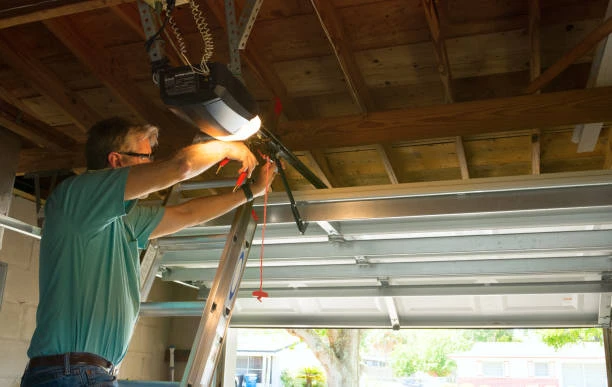

A garage door is an essential part of any home or business. It provides security, insulation, and convenience, ensuring the safety of your vehicle and other valuables. Whether you're dealing with a broken garage door or planning a new installation, this guide will walk you through everything you need to know about garage door repair and installation.
Understanding Garage Door Repair
Over time, garage doors experience wear and tear, leading to operational issues. Here are some common garage door problems and how to fix them.
1. Common Garage Door Problems
✅ Broken Springs – Springs help lift and lower your garage door. If they break, the door may not open or close properly. Solution: Call a professional for spring replacement.
✅ Misaligned Tracks – If your door is off-track, it may not open smoothly. Solution: Realign the tracks or replace damaged ones.
✅ Damaged Panels – Dents and cracks can affect your door’s appearance and function. Solution: Replace damaged panels or opt for a full door replacement.
✅ Faulty Garage Door Opener – If the motor isn’t working, the door won’t move. Solution: Check the power supply, batteries, or replace the opener if necessary.
✅ Noisy Door – Grinding, squeaking, or rattling noises may indicate loose hardware, worn-out rollers, or lack of lubrication. Solution: Tighten screws, lubricate moving parts, or replace old rollers.
2. Steps for Garage Door Repair
Step 1: Inspect the Problem – Identify what’s causing the issue. Look for broken springs, misaligned tracks, or faulty openers.
Step 2: Tighten Loose Parts – Screws, bolts, and hinges can loosen over time. Use a screwdriver to secure them.
Step 3: Lubricate Moving Parts – Apply silicone-based lubricant to the rollers, tracks, and springs to ensure smooth operation.
Step 4: Check the Garage Door Opener – Replace batteries in the remote, reset the opener, or consider a new one if necessary.
Step 5: Test the Door – After repairs, open and close the garage door a few times to ensure it works properly.
🛑 Safety Tip: If you’re dealing with high-tension springs or electrical issues, always contact a professional instead of attempting DIY repairs.
Garage Door Installation Guide
Installing a new garage door can enhance curb appeal, increase security, and improve energy efficiency. Here’s how the process works.
1. Choosing the Right Garage Door
Before installation, consider these factors:
✔️ Material: Choose between steel, wood, aluminum, or fiberglass. Each has its pros and cons in terms of durability and maintenance.
✔️ Insulation: If your garage is attached to your home, opt for an insulated garage door to improve energy efficiency.
✔️ Style & Design: Match the color, texture, and design of the garage door to your home’s aesthetic.
✔️ Budget: Prices vary depending on material, brand, and features. Find one that fits your needs and budget like Garage Door Repair Olathe CO.
2. Steps for Garage Door Installation
Step 1: Measure the Opening – Measure the width, height, and side space to ensure the new door fits.
Step 2: Remove the Old Door – Detach the old garage door carefully. If there are tension springs, release them safely.
Step 3: Install the Tracks and Rollers – Secure the metal tracks on both sides and insert the rollers into the door’s brackets.
Step 4: Attach the Panels – If you have a sectional garage door, install each panel one by one.
Step 5: Install the Springs and Cables – Follow the manufacturer’s instructions to install tension springs and cables. This is a dangerous step and may require a professional.
Step 6: Test the Door – Manually open and close the door to check its movement. If you have a garage door opener, install and test it.
Step 7: Final Adjustments – Tighten all screws, lubricate the tracks, and ensure the door is balanced.
🚨 Pro Tip: Professional installation ensures safety and longevity. If you're unsure, contact a garage door expert for help.
Types of Garage Doors You Can Choose
1. Residential Garage Doors
🏡 Traditional Raised-Panel Doors – Classic and durable, these are the most common garage doors.
🏡 Carriage-House Doors – Designed to look like old-fashioned carriage doors but with modern functionality.
🏡 Modern Glass & Aluminum Doors – Best for contemporary homes with sleek designs.
🏡 Wooden Garage Doors – Stylish but require more maintenance.
2. Commercial Garage Doors
🏢 Roll-Up Doors – Common in warehouses and storage facilities.
🏢 Sectional Doors – Provide better insulation and are ideal for businesses.
🏢 High-Speed Doors – Used in industries for fast operation.
Garage Door Opener Installation
A garage door opener adds convenience and security to your garage. Here’s how to install one:
🔹 Choose a Garage Door Opener Type – Chain drive, belt drive, or screw drive openers are popular options.
🔹 Install the Mounting Bracket – Secure the bracket to the ceiling and attach the motor unit.
🔹 Connect the Opener Arm – Attach it to the garage door and adjust its position.
🔹 Set Up the Remote and Sensors – Program the remote and install safety sensors at the bottom of the door.
🔹 Test the Opener – Ensure the door opens and closes smoothly with the remote.
🚨 Safety Tip: Modern garage door openers have smart technology for remote control access and security alerts.
When to Call a Professional
While DIY repairs are possible, some tasks require professional help:
🔧 Spring replacement – Tension springs can be dangerous to handle.
🔧 Opener malfunctions – Electrical issues need expert assistance.
🔧 Severe structural damage – If your garage door is cracked or off-track, hire a technician.
Final Thoughts
Whether you need garage door repair or new installation, regular maintenance ensures long-lasting performance. Keep an eye on springs, rollers, and openers, and don’t hesitate to call a professional for complex repairs.
If you’re in Colorado’s Western Slope, Grand Valley Garage Doors offers expert garage door installation and repair services.
visit https://www.grandvalleygaragedoors.com/ ! 🚪🔧





























Sign in to leave a comment.