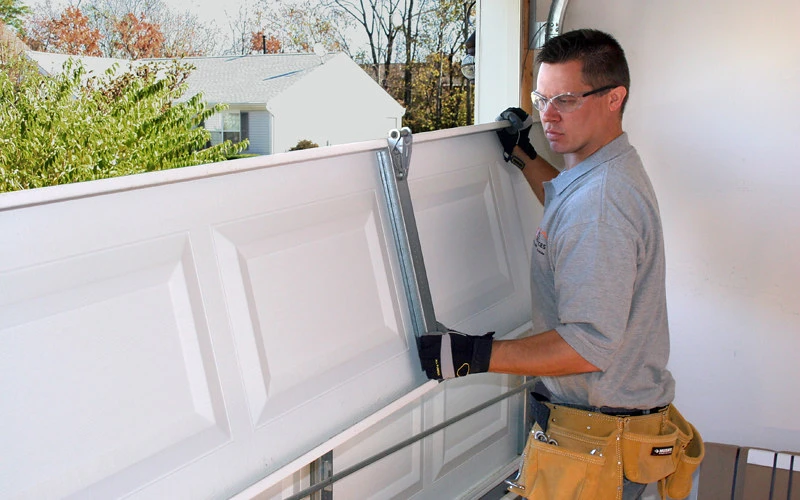

When your garage door grinds, sticks, or refuses to budge, the whole day goes sideways. In Highland Park, lake-effect moisture, winter freeze–thaw cycles, and summer heat all conspire to wear out springs, rollers, tracks, and openers faster than you’d expect. This guide breaks down the common issues, what a quality repair visit should include, ballpark pricing, and simple maintenance that keeps everything quiet and safe. If you’re ready to book service right now, schedule trusted local help for garage door repair Highland Park.
Common Problems Highland Park Homeowners See
Snapped torsion or extension springs. Springs counterbalance the door’s weight. When one breaks you’ll often hear a loud “bang,” and the door becomes extremely heavy—or stuck. Because springs store significant energy, replacement is strictly a pro job.
Frayed or off-drum lift cables. Humidity and salt from nearby roads can corrode cables. If a cable strands or jumps the drum, the door tilts and binds. Continuing to run the opener risks bending tracks and damaging the opener arm.
Noisy, shaky operation. Rattles, squeals, or grinding typically come from worn rollers, loose hinges, or misaligned tracks. If the door shakes the whole wall, it’s begging for a tune-up.
Photo-eye and safety reversal issues. When the door won’t close and the opener light blinks, dirty or misaligned photo-eyes are the usual culprit. Pollen, dust, and vibration can knock them out of alignment.
Opener failures. Stripped gears, stretched chains, slipping belts, failing logic boards, or out-of-spec travel/force settings cause erratic behavior. Many Highland Park homeowners upgrade to quiet belt-drive units with battery backup to breeze through power blips.
Weather seal and threshold deterioration. Bottom rubber and side/top seals dry out and crack, letting in water, drafts, and pests. Replacing them improves comfort—especially for attached garages—and protects your slab and stored items.
What a Proper Repair Visit Should Include
A reputable technician doesn’t just swap a part and roll. Expect a structured, safety-first visit that hits these checkpoints:
- Door balance and safety inspection. The tech disengages the opener and lifts the door by hand; it should hold at mid-travel. If it drops or shoots up, springs need attention. Hinges, struts, bearing plates, and fasteners are checked for cracks and looseness.
- Track alignment and hardware torque. Tracks are adjusted plumb and parallel; jamb brackets and angle iron mounts are tightened. Minor bends are corrected to prevent roller binding.
- Roller and hinge assessment. Upgrading to sealed-bearing nylon rollers often cuts noise dramatically and reduces strain on the opener. Worn or cracked hinges are replaced.
- Spring and cable service. Torsion springs are sized to the door’s actual weight and replaced as a pair; frayed cables and worn center/edge bearings are swapped, drums re-set, and shaft set-screws torqued correctly.
- Opener diagnostics and calibration. Photo-eyes are cleaned and aligned, travel/force limits are reset, and worn gears, belts/chains, and sprockets are replaced. Wall controls and remotes are tested, backup batteries checked.
- Lubrication and final safety tests. A garage-door-specific lubricant (not WD-40) is applied to springs, bearings, and hinges. The door runs through full open/close cycles; auto-reverse is tested on contact and via the photo beam.
Before leaving, your tech should explain what failed, show any removed parts, and provide itemized pricing and written warranty terms.
What It Typically Costs (Ballpark Ranges)
Actual pricing depends on door size, part quality, and labor, but these ranges help set expectations in the North Shore market:
- Torsion spring replacement (pair): $220–$420 for standard residential doors; higher for high-cycle or specialty sizes.
- Lift cable replacement: $130–$260 (often paired with a tune-up).
- Roller upgrade (10–12 rollers): $120–$260 depending on material and bearings.
- Comprehensive tune-up & alignment: $89–$160.
- Opener repair: $110–$280 for gears, belts/chains, sensors, or logic boards.
- New belt-drive opener installed (with battery backup/Wi-Fi): $480–$950, model-dependent.
- Weather seal/threshold replacement: $90–$220 parts and labor.
Most single-issue fixes take 45–90 minutes. Full opener replacements usually wrap in about two hours when the site is clear and outlets are in place.
DIY vs. Professional: Where to Draw the Line
Plenty of light maintenance is homeowner-friendly: replace remote batteries, clean photo-eyes, wipe debris from tracks, and apply a silicone-based garage-door lube to hinges and rollers quarterly. But anything involving springs, cables, or under-load track straightening is a professional task. The injury risk is real, and a misstep can bend the door, strip the opener, or damage the framing. When in doubt, call a pro for garage door repair Highland Park and keep fingers well away from torsion hardware.
Seasonal Maintenance for Highland Park’s Climate
Quarterly lubrication. Use a non-drip garage-door lubricant on hinges, bearings, and springs. Avoid greasing the tracks—they should stay clean and dry so rollers don’t skate.
Tighten hardware after winter. Freeze–thaw cycles and road vibration loosen fasteners. A quick torque check each spring prevents rattles and premature wear.
Refresh weather seals. Inspect bottom rubber and side/top seals annually; cracks or daylight mean it’s time to replace. Tight seals improve comfort and keep meltwater out.
Test safety systems monthly. Place a 2×4 flat under the door; it should reverse on contact. Then break the photo beam with a broom handle during closing; the door should reverse before touching anything.
Keep tracks clean. Salt residue, grit, and spider webs create drag and false sensor trips. Wipe tracks with a dry cloth and gently vacuum around photo-eyes.
Mind the garage environment. If the garage is conditioned or attached to living space, consider an insulated door and a belt-drive opener—both improve comfort and reduce noise transfer into the home.
Choosing a Garage Door Company You’ll Call Again
Local presence. Look for a team that actually services Highland Park daily and keeps trucks stocked for same-day spring and cable fixes.
Transparent, itemized pricing. Beware of vague “specials” that balloon on arrival. Ask for clear labor rates, parts options, and warranty terms up front.
Quality parts, explained. High-cycle springs, sealed-bearing nylon rollers, and belt-drive openers with battery backup cost a bit more but pay off in longevity and quiet.
Safety and professionalism. Techs should arrive in marked vehicles, review safety steps before work, and leave the site clean—no nails in the driveway, no oily fingerprints on panels.
Reviews that age well. Favor feedback that mentions quiet operation and reliability months later, not just friendliness on install day.
Repair or Replace? Making the Smart Call
A solid steel or composite sectional door with isolated issues—broken spring, damaged roller, noisy hinges—almost always deserves repair. Replacement makes more sense when panels are severely bent or rotted, the frame is twisted, or the door lacks modern safety features and insulation. Replacing an old, loud chain-drive opener with a quiet belt-drive model can transform daily life in homes where bedrooms sit above or beside the garage. If curb appeal or energy efficiency is part of the project, ask for insulated door options that match Highland Park architecture while tightening the envelope of attached spaces.
Frequently Asked Questions
Why did my spring break “out of nowhere”?
Springs are wear items rated for a number of open/close cycles. Cold snaps and humidity swings accelerate fatigue, but most breaks reflect age and use. Replace springs in pairs to keep balance even.
The door closes and pops back open—what’s wrong?
Most often, photo-eyes are dirty/misaligned or the opener’s travel/force settings drifted. Cleaning and recalibration usually solve it quickly.
Can I replace just one damaged panel?
Sometimes. If the model is still made and the tracks/struts are true, a single panel swap is possible. Color matching and structural integrity can tip the decision toward full replacement.
Is a belt-drive opener worth it?
Yes for most attached garages. Belt-drives are quieter and smoother, and many include battery backup and Wi-Fi controls—handy during storms and power flickers.
How long should a tune-up last?
With proper lubrication and hardware torqued, many doors run noticeably quieter for 6–12 months, depending on usage and conditions.
The Bottom Line
A misbehaving garage door is more than an annoyance—it’s a safety risk and a potential budget drain if you delay. Address small symptoms early, keep up with light maintenance, and lean on trained technicians for spring, cable, and opener work. When you need fast, professional help in the North Shore, book garage door repair Highland Park and get back to a door that’s quiet, balanced, and safe—no matter what the lakefront weather throws at it.


























Sign in to leave a comment.