

Garage door problems rarely happen all at once. In many Portland homes, the first warning signs are subtle. The door starts shaking slightly during operation, the rollers make scraping noises, or one side begins moving unevenly during opening and closing. In many cases, those issues point directly to damaged or misaligned garage door tracks.
Garage Door Track replacement is one of the most important structural repairs in a garage door system, yet it is often misunderstood. Some homeowners assume the problem is with the opener, while others continue forcing the door to operate until the track bends further or the rollers come out entirely. In the Pacific Northwest climate, moisture exposure, temperature fluctuation, and everyday wear can accelerate track deterioration faster than many people expect.
For homeowners in Portland, understanding how garage door tracks fail and when replacement becomes necessary can prevent expensive emergency repairs and major safety risks.
Why Garage Door Tracks Matter More Than Most People Realize
Garage door tracks guide the entire weight and movement of the door. Even a high-quality opener cannot compensate for damaged tracks. When the tracks are bent, loose, rusted, or misaligned, the door system loses balance and stability.
A standard residential garage door can weigh between 130 and 300 pounds depending on material and insulation. The tracks are designed to support that weight evenly while maintaining precise roller alignment. Once that alignment changes, the strain spreads to other components, including:
- Rollers
- Hinges
- Torsion springs
- Cables
- Garage door opener motor
This is why a small track issue often turns into a much larger repair if ignored for too long.
Common Signs Your Garage Door Tracks Need Replacement
Many track problems begin gradually. Portland homeowners often notice these symptoms before complete failure occurs:
The Door Jerks or Shakes During Movement
Uneven movement usually indicates warped sections or loose mounting brackets. This commonly happens after accidental impact from vehicles, bikes, or storage equipment inside the garage.
Grinding or Scraping Noises
Metal-on-metal sounds often point to rollers struggling against damaged track edges. In older homes around Portland neighborhoods with detached garages, rust buildup can also create friction inside the track system.
Gaps Between Rollers and Tracks
When rollers no longer sit properly inside the track channel, the system becomes unstable. This condition can eventually cause the door to come off track entirely.
Visible Bending or Twisting
Even slight bends affect door alignment. DIY attempts to hammer tracks back into place frequently create hidden structural weaknesses that worsen over time.
The Garage Door Gets Stuck Halfway
Track misalignment often causes pressure points that stop the door during operation. Many homeowners mistakenly replace the opener first when the real issue is the track itself.
Portland’s Climate Can Accelerate Track Damage
Garage door systems in the Pacific Northwest face unique environmental stress. Portland’s extended rainy season increases moisture exposure inside garages, especially in older homes with limited ventilation.
Over time, moisture contributes to:
- Rust formation on galvanized steel tracks
- Corrosion around mounting brackets
- Expansion and contraction of metal components
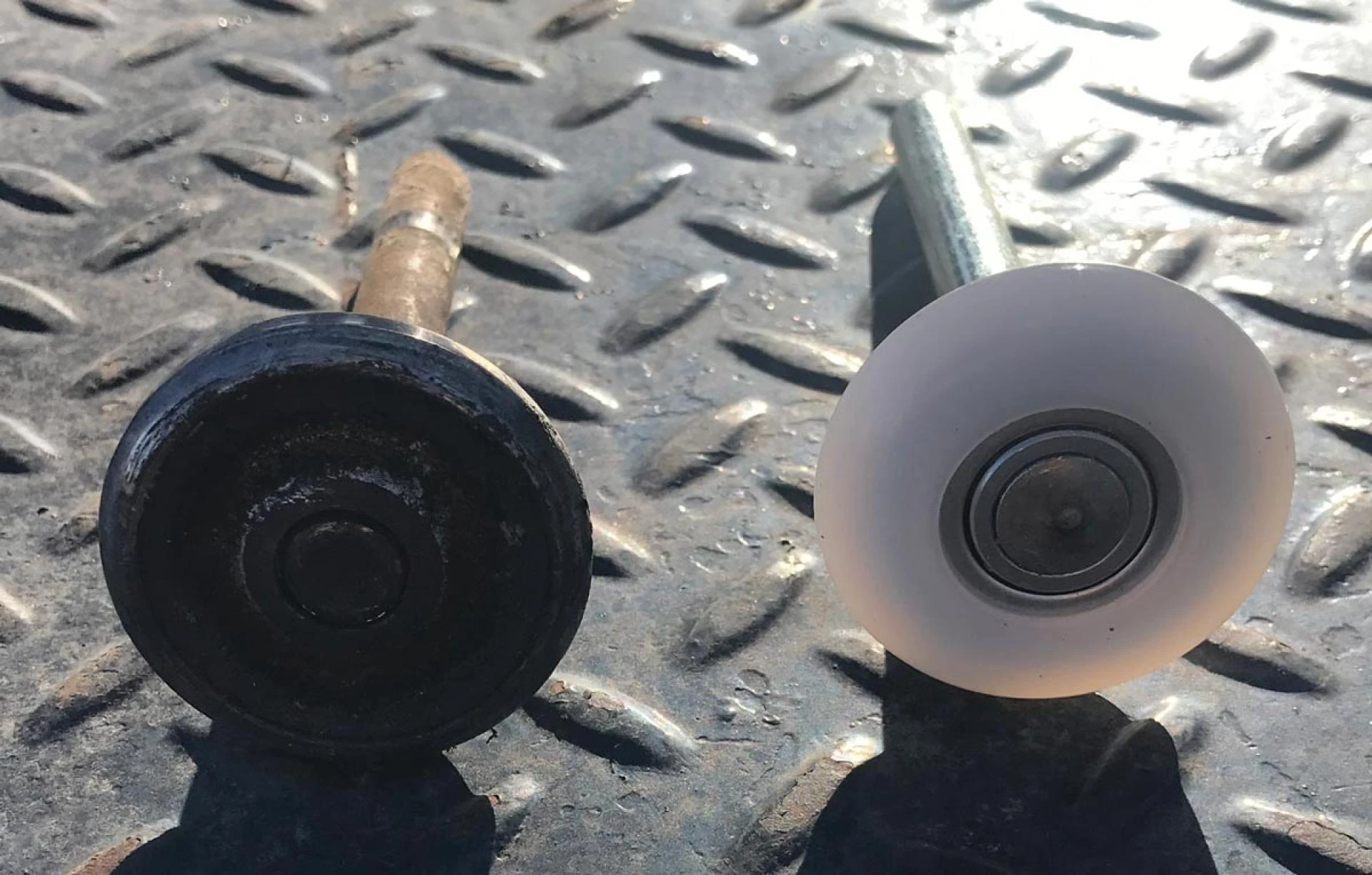
- Premature roller wear
Homes near tree-heavy neighborhoods in areas like Southwest Portland or Eastmoreland also deal with debris accumulation inside tracks. Leaves, dirt, and moisture combine to create track obstructions that gradually damage rollers and alignment.
This is one reason experienced local garage door technicians often recommend periodic track inspections even when the door still appears operational.
When Track Repair Is No Longer Enough
Not every garage door track issue requires full replacement. Minor alignment corrections or bracket tightening may solve smaller problems. However, replacement becomes necessary when:
- Tracks are severely bent
- Rust has weakened the metal
- Multiple sections are damaged
- Rollers repeatedly derail
- Mounting points pull away from the wall
- Previous repairs failed to restore alignment
Attempting temporary fixes on structurally compromised tracks can create dangerous operating conditions. A failing track system places extra tension on cables and springs, increasing the risk of sudden component failure.
What Happens During a Professional Garage Door Track Replacement
Professional track replacement involves much more than swapping metal rails. A proper installation includes a full system evaluation to ensure the new tracks match the door’s specifications and weight distribution.
An experienced technician typically performs:
- Door balance inspection
- Roller and hinge evaluation
- Removal of damaged tracks
- Precision alignment of new vertical and horizontal tracks
- Hardware reinforcement
- Safety testing and operational calibration
Track alignment must be exact. Even minor measurement errors can cause long-term operational problems.
Experienced Portland garage door professionals also evaluate surrounding structural conditions, including framing stability and moisture damage near mounting areas.
Why DIY Garage Door Track Replacement Can Be Risky
Many homeowners underestimate the tension forces involved in garage door systems. While tracks themselves may appear straightforward, they interact directly with springs, cables, and rollers under significant pressure.
Improper installation can result in:
- Door collapse
- Roller derailment
- Cable damage
- Opener strain
- Personal injury
Torsion spring systems in particular can become hazardous if the door shifts unexpectedly during repair work.
For this reason, most reputable garage door professionals recommend leaving full track replacement to trained technicians with proper tools and calibration experience.
Choosing the Right Garage Door Track System
Not all tracks are interchangeable. Track sizing depends on several factors:
- Door height and weight
- Roller type
- Garage ceiling clearance
- Lift configuration
- Door material
For example, insulated steel garage doors commonly installed in Portland homes require different support characteristics than lightweight aluminum systems.
An experienced technician will ensure the replacement tracks are compatible with both the existing door and opener system.
Preventing Future Garage Door Track Problems
After replacement, regular maintenance helps extend the lifespan of the entire garage door system.
Homeowners can reduce future track damage by:
- Keeping tracks free from debris
- Avoiding impact near garage door edges
- Scheduling annual inspections
- Replacing worn rollers promptly
- Monitoring unusual sounds during operation
In Portland’s damp climate, periodic lubrication and rust inspections are especially important during fall and winter months.
Final Thoughts
Garage door track issues rarely improve on their own. What begins as a minor alignment problem can eventually affect the entire garage door system, creating safety concerns and more expensive repairs.
For homeowners in Portland, timely garage door track replacement can restore safe operation, reduce long-term wear on other components, and prevent unexpected breakdowns during the rainy season when garage access becomes even more important.
Understanding the warning signs early and working with experienced professionals helps protect both your garage door investment and your home’s overall safety.

























Sign in to leave a comment.