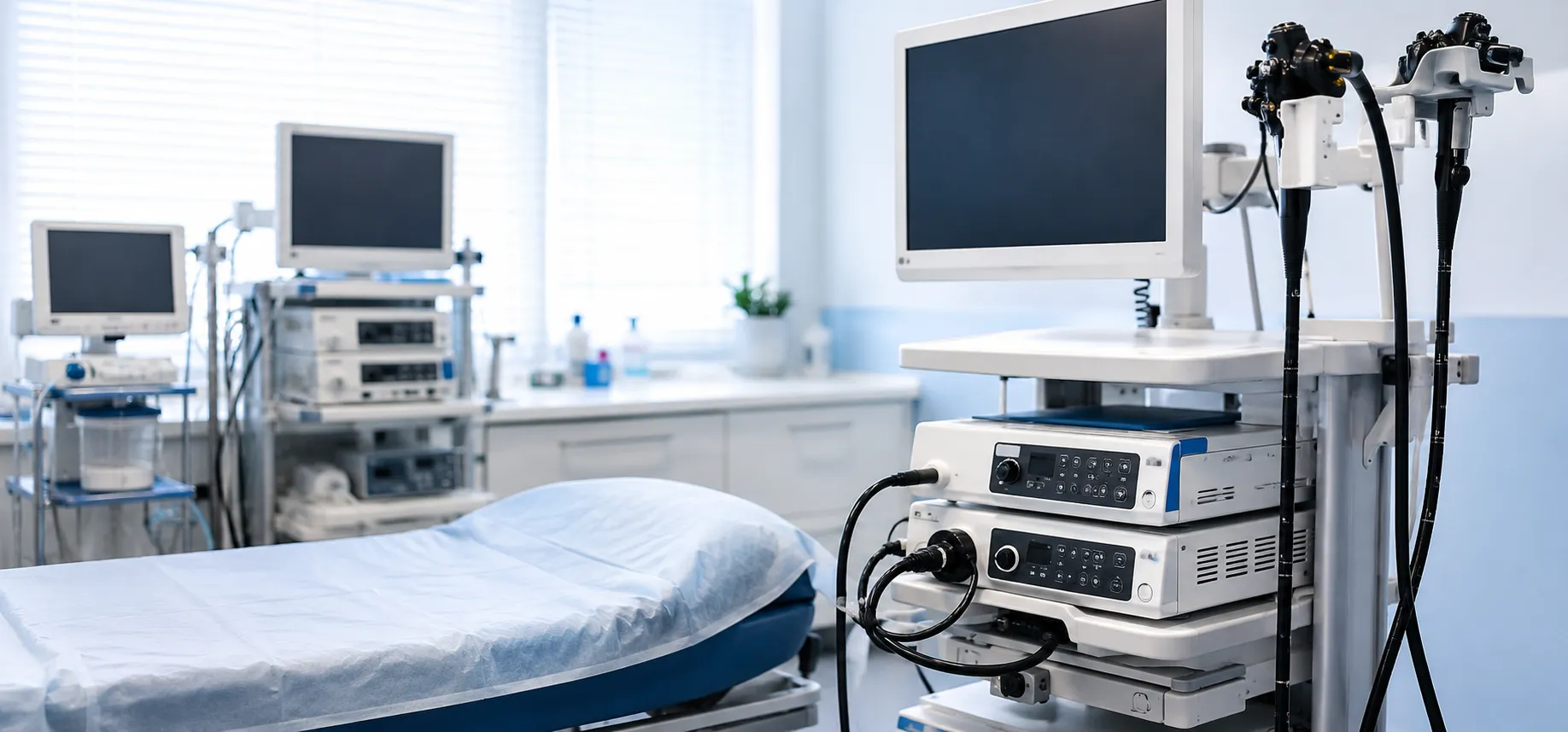

Gastroenterology billing is one of the most detail-oriented areas of medical billing. Every patient encounter, procedure, diagnosis, and documentation requirement plays a direct role in determining whether a claim is paid correctly the first time or delayed due to preventable errors.
From routine colonoscopies to advanced endoscopic procedures, gastroenterology practices manage a wide range of services that require precise coding and payer-specific knowledge.
As insurance regulations continue to evolve, gastroenterology providers face increasing administrative challenges that can reduce revenue and create unnecessary workloads for staff. Understanding how gastroenterology billing works is the first step toward improving reimbursement, reducing denials, and maintaining a healthier revenue cycle.
Why is Gastroenterology Billing So Complex?
Unlike many specialties that primarily bill office visits, gastroenterology combines consultations, diagnostic procedures, therapeutic interventions, pathology services, anesthesia coordination, and follow-up care. Each service has unique coding guidelines and documentation requirements.
Procedures such as colonoscopy, upper gastrointestinal endoscopy (EGD), ERCP, capsule endoscopy, and flexible sigmoidoscopy often require modifiers, diagnosis justification, and complete procedural documentation. Even a small coding mistake can lead to claim denials, payment reductions, or payer audits.
The complexity increases further because Medicare and commercial insurance carriers frequently update coverage policies for preventive screenings, surveillance procedures, and medical necessity requirements.
Common Challenges in Gastroenterology Billing
Many gastroenterology practices experience recurring billing issues that directly affect cash flow.
Some of the most common challenges include:
- Incorrect CPT and ICD-10 code selection
- Missing or inappropriate billing modifiers
- Documentation that does not support medical necessity
- Denied screening versus diagnostic colonoscopy claims
- Prior authorization issues for advanced procedures
- Bundling and unbundling errors
- Delayed claim submission
- Underpayments that go unnoticed
Without a structured billing process, these issues can significantly increase accounts receivable days while lowering overall reimbursement.
The Importance of Accurate Medical Coding
Coding accuracy forms the foundation of successful gastroenterology billing. Medical coders must understand not only CPT and ICD-10 coding guidelines but also payer-specific policies that may differ between insurance companies.
For example, a screening colonoscopy that becomes therapeutic during the procedure often requires different modifiers depending on the payer. Using the wrong modifier can result in incorrect patient responsibility or complete claim denial.
Similarly, diagnosis sequencing must accurately reflect the patient's condition and support medical necessity for each service performed.
Accurate coding also protects practices from compliance risks and reduces the likelihood of payer audits.
Documentation Drives Successful Claims
Even correctly assigned codes cannot secure reimbursement if provider documentation is incomplete.
Physicians should clearly document:
- Patient history
- Medical necessity
- Procedure indications
- Findings
- Interventions performed
- Complications, if any
- Final diagnosis
- Follow-up recommendations
Detailed documentation supports coding decisions while providing clear evidence if claims require appeal or medical review.
Strong documentation also helps maintain compliance with payer guidelines and regulatory requirements.
Preventing Claim Denials
Denial prevention is far more effective than denial management. Successful gastroenterology practices typically implement multiple quality control steps before claims are submitted, including eligibility verification, coding review, documentation validation, and claim scrubbing.
Common denial prevention strategies include:
- Verifying insurance coverage before appointments
- Confirming prior authorization requirements
- Reviewing documentation before coding
- Performing automated claim edits
- Monitoring payer policy updates
- Tracking denial trends regularly
Practices that proactively address recurring denial patterns often improve first-pass acceptance rates while reducing administrative costs.
Revenue Cycle Management Matters
Gastroenterology billing extends beyond coding and claim submission. Every stage of the revenue cycle affects overall financial performance.
An efficient revenue cycle includes:
- Patient registration
- Insurance verification
- Charge capture
- Medical coding
- Claim submission
- Payment posting
- Denial management
- Appeals processing
- Patient collections
- Financial reporting
When each component functions efficiently, practices receive payments faster while minimizing revenue leakage.
Many organizations also use reporting dashboards to identify payer delays, coding trends, underpayments, and productivity metrics that support continuous improvement.
Benefits of Outsourcing Gastroenterology Billing
As billing requirements become increasingly specialized, many practices choose professional Gastroenterology Billing Services to improve operational efficiency and maximize collections.
Experienced billing teams understand specialty-specific coding guidelines, payer policies, modifier usage, prior authorization workflows, and denial management strategies.
Outsourcing can provide several advantages, including:
- Higher clean claim rates
- Faster reimbursement
- Lower denial rates
- Reduced administrative burden
- Improved compliance
- Better reporting and analytics
- More time for providers to focus on patient care
For growing practices, outsourcing also eliminates many staffing challenges associated with hiring, training, and retaining experienced gastroenterology billers.
Technology Is Improving Billing Performance
Modern revenue cycle technology has transformed gastroenterology billing.
Artificial intelligence, automated claim scrubbing, real-time eligibility verification, denial prediction, and workflow automation now help practices identify problems before claims are submitted.
Integrated electronic health records and billing platforms also reduce duplicate data entry while improving coding accuracy.
Technology cannot replace experienced billing professionals, but it significantly improves efficiency when combined with knowledgeable coding and revenue cycle teams.
Practices that invest in automation often experience shorter payment cycles, improved productivity, and stronger financial performance.
Best Practices for Gastroenterology Practices
Maintaining an efficient billing process requires continuous attention to detail.
Successful practices typically:
- Keep coding staff updated on annual CPT and ICD-10 changes
- Monitor payer policy updates regularly
- Conduct internal coding audits
- Review denial reports monthly
- Improve provider documentation through education
- Track key revenue cycle performance indicators
- Use automated claim validation tools
- Appeal underpaid and denied claims promptly
These ongoing improvements help practices maintain consistent reimbursement while reducing preventable billing errors.
Conclusion
Gastroenterology billing is far more than submitting insurance claims. It requires accurate coding, complete documentation, payer-specific expertise, and an organized revenue cycle strategy that supports long-term financial success.
As procedures become more complex and payer requirements continue to evolve, practices that prioritize billing accuracy position themselves for stronger cash flow, fewer denials, and improved operational efficiency. Whether managed internally or through experienced billing professionals, investing in a well-structured gastroenterology billing process ultimately allows providers to spend less time on administrative challenges and more time delivering high-quality patient care.

























Sign in to leave a comment.