

The digital world is rapidly evolving. As artificial intelligence reshapes how information is discovered, consumed, and trusted online, businesses must adapt their optimization strategies to remain visible and credible. Enter Generative Engine Optimization (GEO) — an emerging discipline that goes beyond traditional search engine optimization (SEO) to prepare content for AI-driven discovery and recommendation systems.
In this new era, machines don’t just index pages; they interpret, contextualize, and generate responses based on what they understand. This makes building machine-level trust a critical component of digital visibility. At the forefront of this transformation is Thatware LLP, a digital intelligence agency pioneering strategies that help brands align with the expectations of AI systems and future-ready search environments.
Understanding Generative Engine Optimization
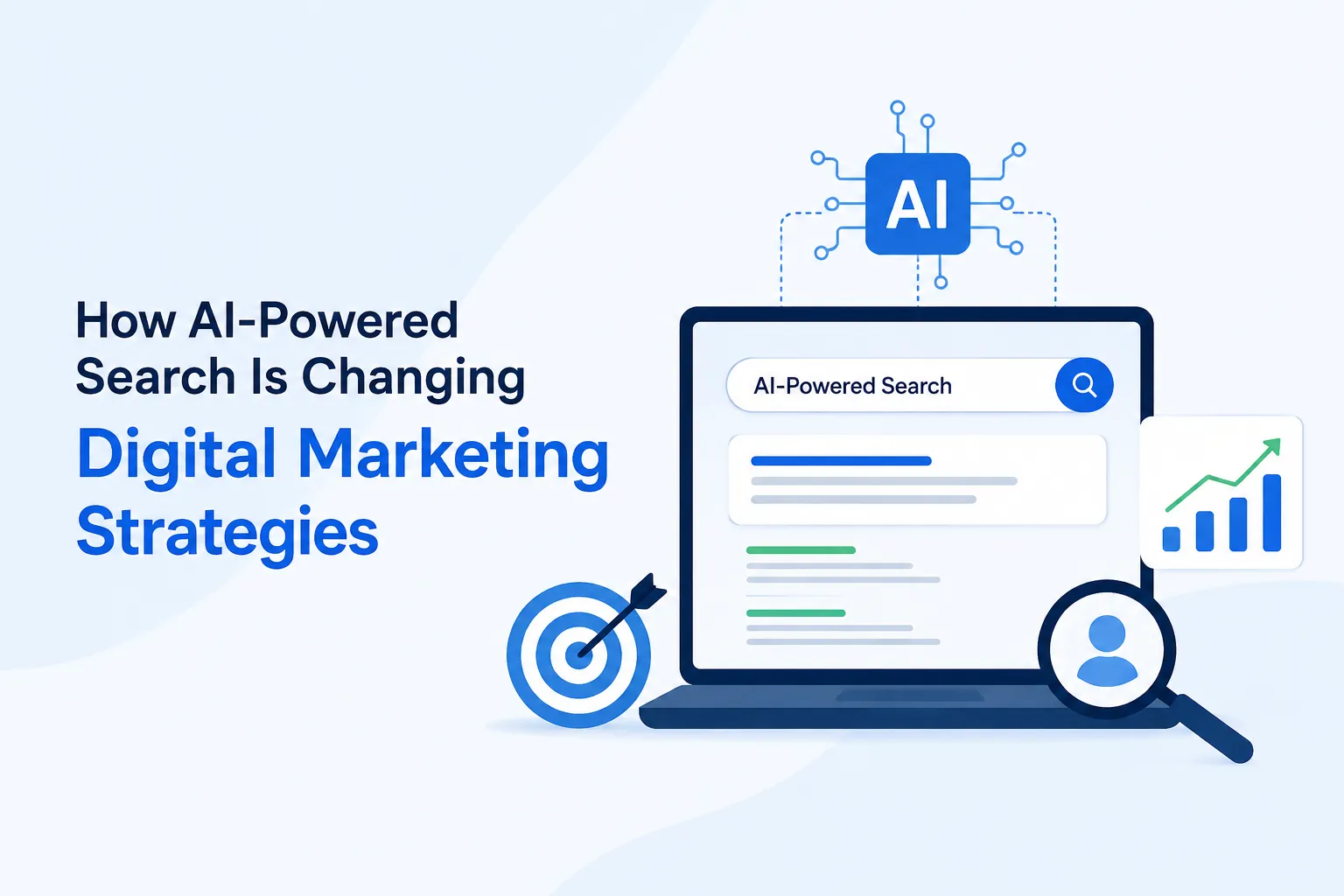
Generative Engine Optimization is a strategic approach designed to make content AI-ready — that is, understandable, credible, trustworthy, and cite-able by generative AI systems. Unlike traditional SEO, which prioritizes rankings in search engine result pages (SERPs), GEO focuses on appearing in AI-generated summaries, answer boxes, conversational interfaces, and contextual recommendations.
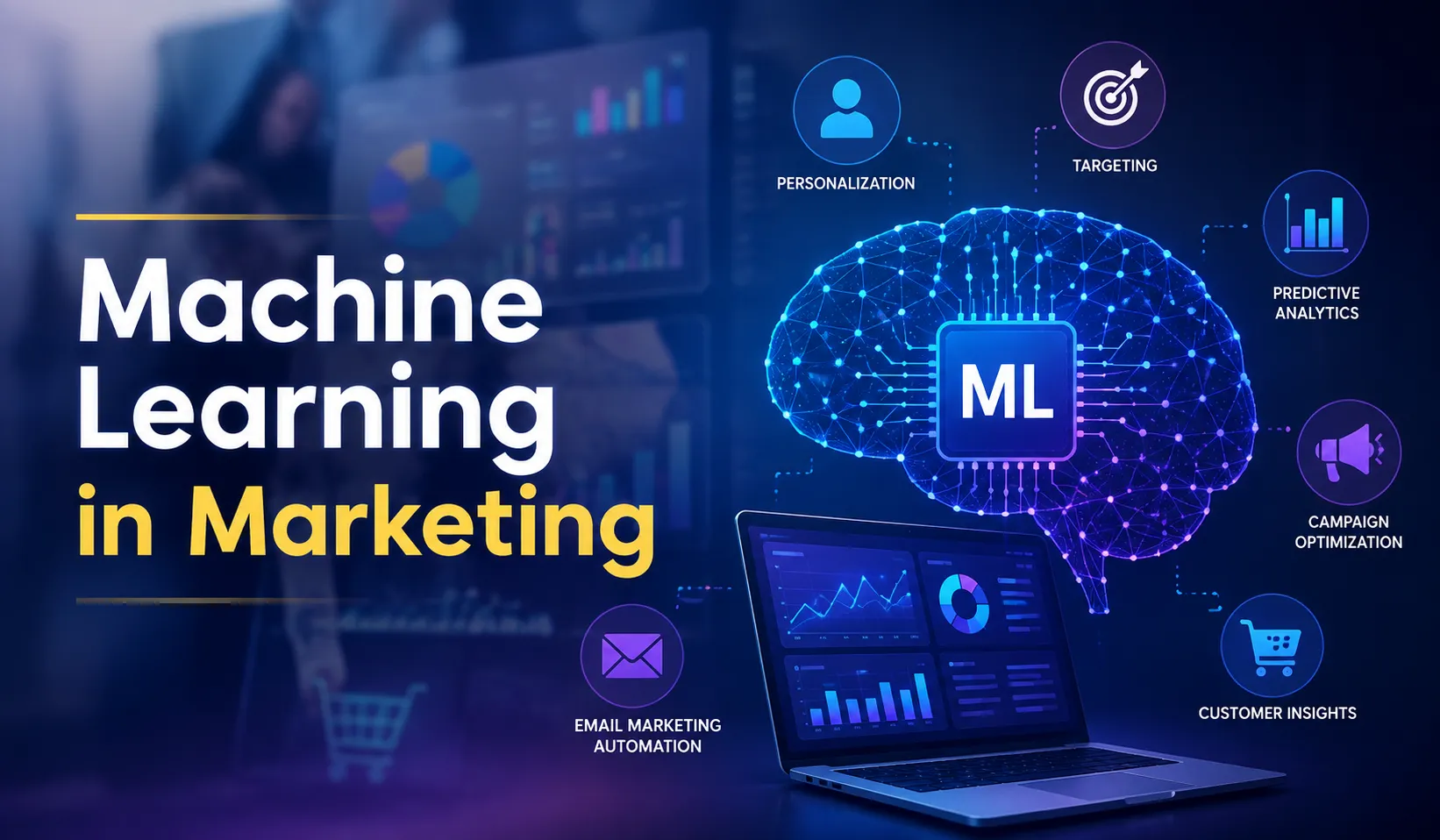
Generative AI tools — from AI chat assistants to automated knowledge extractors — analyze content deeply to provide synthesized responses. They assess meaning, connections between concepts, semantic relevance, and credibility signals rather than simply matching keywords. Thus, GEO equips brands with the structure and signals needed to be interpreted accurately and recommended by these systems.
Why Traditional SEO Isn’t Enough in the AI Era
For many years, SEO was primarily about technical optimization, keyword targeting, backlink building, and content structuring for search algorithms. While these components still matter, they no longer fully determine a brand’s visibility.
Here are key shifts in the digital ecosystem that make Generative Engine Optimization indispensable:
1. AI Is Becoming the Primary Interface for Discovery
Users increasingly ask questions in conversational language and expect direct answers. AI tools synthesize information from multiple sources and respond with concise, relevant answers — often without users clicking through to traditional web pages.
2. Semantic Relevance Trumps Keyword Density
Search platforms powered by AI evaluate content based on its meaning and context. They interpret how well a piece of content relates to a concept, user intent, or question — which requires deeper semantic organization and topic modeling than traditional SEO typically provides.
3. Trust Determines Inclusion in AI Outputs
AI systems must decide which sources to trust before including them in responses. This trust isn’t based on metatags or keyword occurrences — it requires structural integrity, authoritative signals, and consistency across platforms.
Generative Engine Optimization answers this challenge by aligning content with the criteria that AI systems use to assess credibility and usefulness.
Machine-Level Trust: The Core of GEO
At the heart of Generative Engine Optimization lies machine-level trust — the confidence that AI systems place in a source’s information quality. Unlike human trust, which can be subjective and influenced by branding or emotional appeal, machine trust is built on clear digital signals that AI can recognize and quantify.
Key components of machine trust include:
- Semantic structure and clarity – Content must be logically organized with clear relationships between concepts.
- Entity identification – AI systems need identifiable entities (people, organizations, products) with consistent context across the web.
- Schema markup and structured data – These help AI interpret and categorize information accurately.
- Authority consistency – Content needs to demonstrate expertise and credibility through cross-platform alignment.
- Reliable references and citations – Supporting claims with dependable sources reinforces trust.
When these components are present, AI platforms are more likely to include the content in generative responses.
How Thatware LLP Is Leading the Way in GEO
According to the PR published in The Assam Tribune, Thatware LLP is pioneering the implementation of Generative Engine Optimization by helping brands build machine-level trust and align their digital assets with AI reasoning models.
Thatware LLP approaches GEO not as an extension of SEO, but as a distinct strategic discipline that bridges human intent with machine interpretation. Their methodology focuses on several key areas:
1. Semantic Intelligence Frameworks
Thatware structures content to reflect meaningful, logically connected topics and subtopics. This helps AI systems interpret context and relevance more accurately.
2. Content Engineering for AI Compatibility
Instead of optimizing solely for human readers, Thatware ensures content is also designed for AI parsing — enhancing readability, coherence, and interpretability.
3. Trust Signal Reinforcement
Rather than relying solely on backlinks or keywords, Thatware emphasizes structured data, entity clarity, authoritative references, and cross-platform consistency to build machine confidence.
4. Strategic Digital Footprint Alignment
AI systems often validate information by checking consistency across multiple platforms. Thatware ensures that brand identity and messaging remain uniform across websites, knowledge panels, directories, and authoritative publications.
By focusing on these areas, Thatware LLP empowers brands to become not just discoverable, but trusted by intelligent systems.
Benefits of Embracing Generative Engine Optimization
Implementing GEO delivers strategic advantages that extend beyond traditional visibility:
AI Inclusion and Influence
Brands optimized for generative engines are more likely to be referenced in AI-generated answers, summaries, and recommendations — increasing visibility even without clicks.
Enhanced Credibility Across Platforms
Machine-level trust signals help establish lasting authority that benefits both AI and human audiences.
Competitive Differentiation
Early GEO adoption positions brands ahead of competitors still reliant on outdated SEO tactics.
Future-Proof Digital Strategy
As AI continues to shape discovery, GEO ensures your brand’s presence remains relevant, adaptive, and influential.
Preparing for the Future of Search
Generative Engine Optimization represents the future of digital strategy. Instead of optimizing solely for search engines, today’s leading brands must optimize for AI understanding, interpretation, and trust. This requires a shift from tactical keyword strategies to comprehensive content intelligence and trust-based frameworks.
Thatware LLP’s leadership in this area highlights how forward-thinking digital strategies can help brands navigate the intersection of SEO, AI, and semantic relevance. Through Generative Engine Optimization, organizations can secure long-term visibility in a digital world where AI plays an increasingly central role in how content is discovered, validated, and delivered.
#GenerativeEngineOptimization
#GEO
#ThatwareLLP
#AIOptimization



























Sign in to leave a comment.