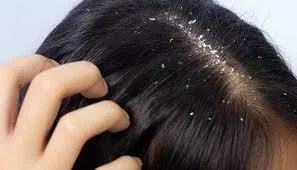

The challenge of hair loss is a common concern for many individuals, and when it comes to genetic hair loss, the battle can feel particularly uphill. Genetic factors play a significant role in determining susceptibility to hair loss, specifically androgenetic alopecia. This condition, commonly known as male or female pattern baldness, is influenced by a combination of genetic and hormonal factors. In this exploration, we will delve into the complexities of genetic hair loss, understanding its genetic roots, and examining the strategies and treatments available to empower individuals to take charge of their hair health.
Understanding Genetic Hair Loss:
Genetic hair loss, or androgenetic alopecia, stands as the leading cause of hair loss in both men and women. It's an inherited condition influenced by genetic predisposition and hormonal factors. In men, it's often referred to as male pattern baldness, and in women, as female pattern baldness. The primary villain in this scenario is dihydrotestosterone (DHT), a hormone derived from testosterone. Individuals with a genetic predisposition to hair loss have hair follicles that become sensitive to DHT. Over time, exposure to DHT causes the affected hair follicles to shrink, resulting in thinner and shorter hair until eventually, they cease to produce hair altogether.
Can You Fight Your Genes?
While altering genetic makeup is beyond our current capabilities, various strategies and treatments can help mitigate the effects of genetic hair loss. Understanding the available options empowers individuals to make informed choices in managing this common concern.
Minoxidil: A Topical Solution:
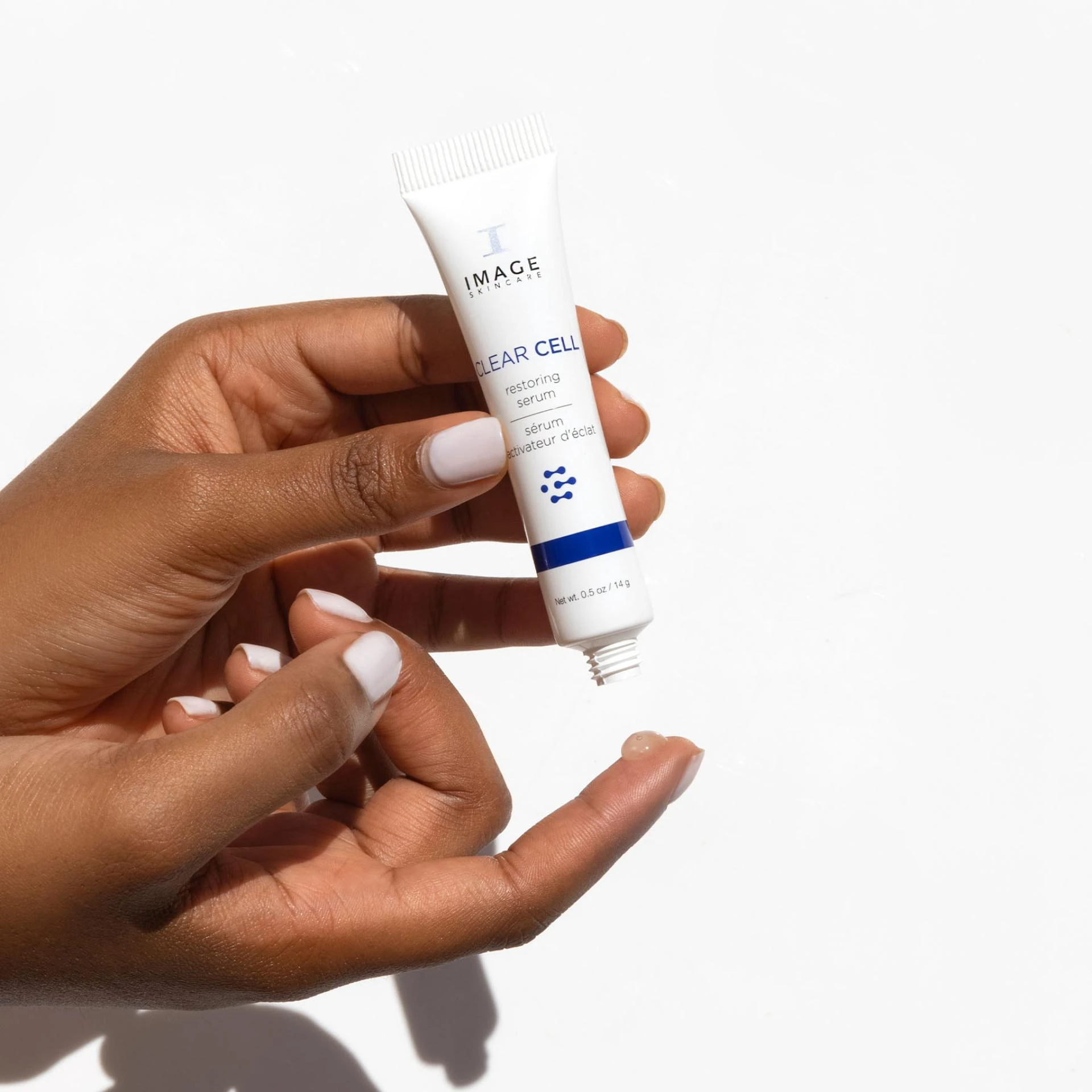
Minoxidil, available over the counter, is a topical treatment that has shown effectiveness in promoting hair growth and slowing down hair loss. Its mechanism involves improving blood flow to the hair follicles and prolonging the growth phase of the hair. Regular and consistent application is key to experiencing its benefits.
Finasteride: A DHT Blocker:
Finasteride is a prescription medication specifically designed to inhibit the production of DHT. More commonly used by men, it has demonstrated success in slowing down hair loss and promoting regrowth. It's important to note that its use should be under the guidance of a healthcare professional due to potential side effects.
Low-Level Laser Therapy (LLLT):
LLLT devices, including laser combs or helmets, are specifically crafted to activate hair follicles and encourage the growth of hair. While individual responses may vary, some users have reported positive results. Consistent use of LLLT devices as part of a hair care routine may contribute to managing genetic hair loss.
Platelet-Rich Plasma (PRP) Therapy:
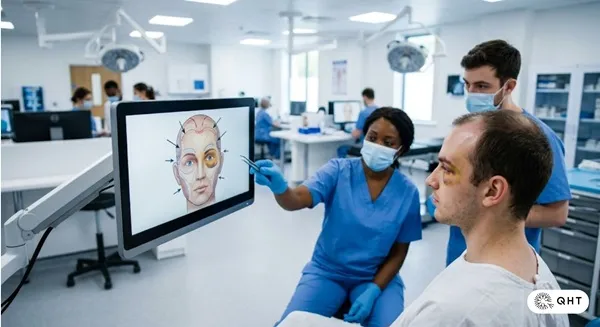
PRP therapy involves drawing a small amount of the patient's blood, processing it to concentrate the platelets, and then injecting the platelet-rich plasma into the scalp. Although research is ongoing, some studies suggest that PRP may stimulate hair follicles and encourage hair growth.
Hair Transplantation: A Permanent Solution:
For those seeking a more permanent solution, hair transplantation is a surgical procedure that involves transferring hair follicles from donor areas to areas affected by hair loss. This intervention has shown success in restoring a more natural-looking hairline and is considered a lasting solution to genetic hair loss.
Lifestyle Factors:
While genetic predisposition sets the stage for hair loss, certain lifestyle factors can contribute to overall hair health and complement treatment efforts:
Nutrition for Hair Health:
A balanced diet rich in vitamins and minerals, particularly those beneficial for hair health like biotin and vitamin E, supports the strength and vitality of your hair. Nutritional supplements, when necessary, can also play a role in promoting overall well-being.
Stress Management:
Chronic stress is known to exacerbate hair loss. Incorporating stress-reducing activities, such as regular exercise, meditation, or yoga, can have a positive impact on both your mental well-being and hair health.
Gentle Hair Care Practices:
Avoiding excessive heat styling, tight hairstyles, and harsh chemical treatments minimizes stress on your hair, reducing the risk of additional damage. Using mild shampoos and conditioners suitable for your hair type also contributes to a healthier mane.
Conclusion:
While the genetic component of hair loss cannot be altered, individuals can take proactive steps to manage and potentially slow down its effects. Understanding the interplay of genes and hormones in hair loss allows for informed choices regarding available treatments and lifestyle adjustments.
Consulting with a healthcare professional or a dermatologist can provide personalized insights into the most effective strategies for specific situations. Whether opting for topical treatments, medications, or more advanced interventions, the key is to take a proactive approach and address genetic hair loss with a comprehensive plan tailored to individual needs.
While completely altering the outcome dictated by genetics may not be possible, navigating the journey with resilience and confidence is well within reach. Genetic hair loss can be managed, and by embracing the available strategies and treatments, individuals can foster a sense of control and well-being in the quest for healthy, thriving hair. In this journey, the goal isn't necessarily to defy one's genes but to
Coexist with them, leveraging knowledge and interventions to promote the best possible outcome for hair health.

















Sign in to leave a comment.